






South Sudan is facing one of its gravest humanitarian crises since independence, with escalating violence, widespread displacement, deepening hunger and mounting human rights violations pushing the country toward what United Nations officials describe as a critical tipping point.
According to the latest findings from the UN Commission on Human Rights in South Sudan (CHRSS), the UN Office for the Coordination of Humanitarian Affairs (OCHA), and the Integrated Food Security Phase Classification (IPC), more than 70 percent of the population now requires life-saving assistance.
Renewed Conflict and Displacement
Fresh fighting between the South Sudan People’s Defence Forces (SSPDF) and the SPLA-IO, intensifying in late December 2025, has displaced at least 280,000 people.
Total internally displaced persons (IDPs) have reached approximately 3.2 million — a 40 percent increase from last year’s 2.3 million estimate.
More than 848,000 people have also entered South Sudan from neighboring Sudan since conflict erupted there, placing additional strain on fragile infrastructure and aid systems.
Clashes have been reported in eight of ten states, with Jonglei the epicenter of violence. Humanitarian agencies warn insecurity is severely restricting access to vulnerable populations.
Escalating Hunger Crisis
An estimated 10 million people now require humanitarian assistance in 2026.
Around 5.86 million people are in IPC Phase 3 (Crisis) or worse, with projections suggesting 7.5 million — 53 percent of the population — could reach that level during the April–July lean season.
Approximately 28,000 people in Nasir and Fangak are already experiencing IPC Phase 5 conditions, categorized as catastrophic or famine-like hunger.
More than 2.1 million children under five and 1.15 million pregnant and breastfeeding women are expected to suffer acute malnutrition this year.
Human Rights and Impunity
The CHRSS warns that impunity continues to drive atrocity risks. Sexual violence remains widespread and systematic, allegedly used as a tactic to terrorize and displace civilians.
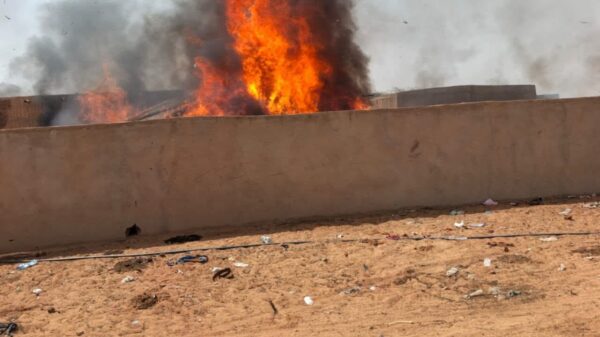
Airstrikes have reportedly hit medical facilities in Lankien and Akobo, depriving an estimated 400,000 people of healthcare. Meanwhile, the country is experiencing its largest recorded cholera outbreak, with 97,801 cases and 1,608 deaths since September 2024.
UNMISS reports increased harassment and arbitrary detention of journalists and civil society actors ahead of national elections scheduled for December 2026.
Funding Shortfalls
Despite escalating needs, humanitarian funding remains inadequate. The 2026 response plan seeks $1 billion to assist four million of the most vulnerable, reflecting financial constraints rather than reduced need.
Without urgent international engagement, UN officials warn South Sudan risks sliding into a deeper humanitarian catastrophe in the months ahead.