









The conflict in Gaza intensified on Thursday amid renewed targeted strikes and a mounting administrative crisis that humanitarian officials warn could dismantle much of the territory’s fragile aid infrastructure.
According to briefings from UN agencies and humanitarian organizations, the convergence of military operations and new regulatory requirements is placing unprecedented strain on the ceasefire framework established in late 2025.
Targeted Strikes on Police Sites
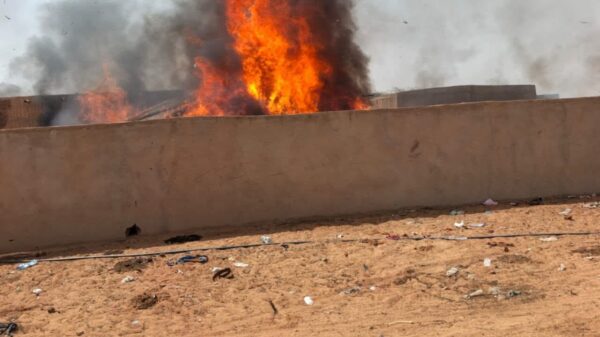
Overnight drone strikes in central and southern Gaza targeted local law enforcement facilities, killing at least six officers.
Four officers were killed at a checkpoint in al-Mawasi, west of Khan Younis, and two others at a post in the Bureij Refugee Camp. Local authorities described the attacks as part of a broader pattern aimed at disrupting civil administration.
The October 2025 truce has been repeatedly described by the UN as “extremely fragile.” Since January 1, 2026, more than 600 Palestinians have reportedly been killed in skirmishes and targeted operations.
NGO Expulsion Order
A March 1 deadline set by Israeli authorities could halt most international humanitarian operations in Gaza.
The Ministry of Diaspora Affairs has instructed 37 international NGOs to cease operations unless they submit detailed personal data and phone numbers for all Palestinian staff.
Affected groups include Doctors Without Borders, Oxfam, and the Norwegian Refugee Council. Seventeen organizations have petitioned Israel’s Supreme Court, arguing that compliance would violate international privacy standards and endanger local staff.
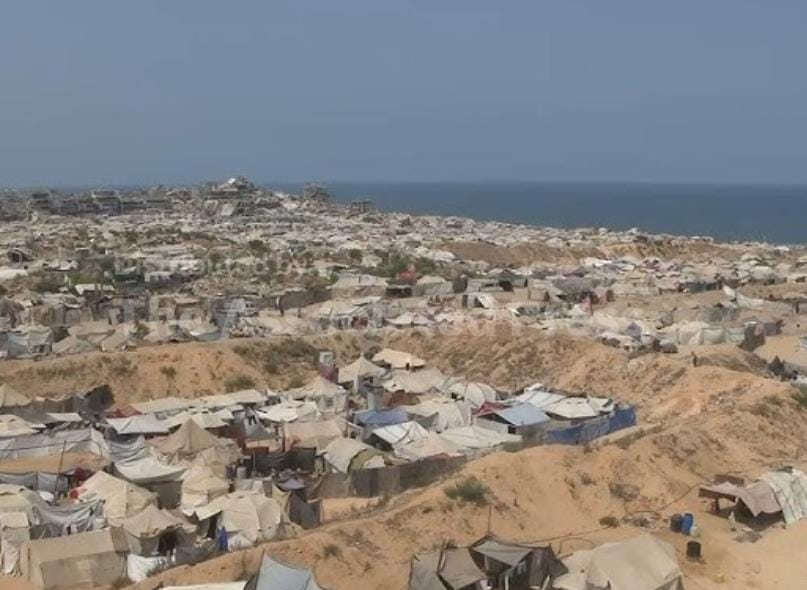
Humanitarian coordinators estimate that enforcement of the order could suspend up to 60 percent of field hospitals and nearly 75 percent of shelter services.
Oversight and Aid Shortfalls
Under UN Security Council Resolution 2803, a U.S.-led “Board of Peace” is overseeing Phase II of the ceasefire plan, including reconstruction and a proposed International Stabilization Force.
However, hostilities continue, and roughly half of Gaza remains under Israeli military control.
Current humanitarian indicators remain below emergency thresholds:
Approximately 286 aid trucks per day are entering Gaza, compared to the 600 needed.
Medical evacuations through Rafah average about 50 per day.
Only individuals with prior Israeli security clearance are permitted to return.
Total reported Palestinian fatalities since October 7, 2023, now exceed 72,000.
Outlook
With the NGO compliance deadline approaching and ceasefire violations mounting, observers warn that the coming days may prove decisive.
A Supreme Court ruling and clarity on international stabilization efforts could significantly shape both humanitarian access and the durability of the truce.