









Tensions between the United States and Iran remain elevated as both nations prepare for a new round of indirect negotiations in Geneva, following nearly eight months of diplomatic strain triggered by U.S. airstrikes on key Iranian nuclear facilities.
The current crisis stems from Operation Midnight Hammer, a U.S. military strike conducted on June 22, 2025, targeting three major nuclear sites in Iran—Fordow Fuel Enrichment Plant, Natanz Nuclear Facility, and Isfahan Nuclear Technology Center. The operation involved B-2 stealth bombers and F-35 fighter jets. The White House at the time described the facilities as “obliterated,” while a subsequent Pentagon assessment concluded that Iran’s nuclear program had likely been set back by approximately two years rather than permanently dismantled.
IAEA Inspections Resume
In February 2026, Rafael Grossi, Director General of the International Atomic Energy Agency (IAEA), confirmed that international inspectors have returned to Iran. According to Grossi, inspectors have regained access to most declared nuclear sites, though areas directly impacted by the June strikes remain inaccessible.
Grossi stated that no radiation leaks have been detected, but warned that the overall safety and security conditions at affected facilities have “sharply degraded,” raising ongoing concerns about monitoring and verification standards.
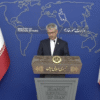
Tehran continues to deny any intention of pursuing nuclear weapons. Iranian Foreign Minister Abbas Araghchi reiterated this month that Iran’s right to peaceful nuclear technology remains “non-negotiable,” describing enrichment activities as a sovereign entitlement under international law.
Geneva Talks and a Potential Interim Deal
A third round of indirect negotiations is scheduled for February 26, 2026, in Geneva. The United States delegation will reportedly be led by envoys Steve Witkoff and Jared Kushner, with Oman continuing to serve as a key mediator between Washington and Tehran.
Diplomatic sources indicate that discussions may center on a phased “interim deal.” Under such a framework, Iran could dilute portions of its highly enriched uranium stockpile in exchange for partial sanctions relief. While neither side has formally confirmed the parameters, officials describe the talks as focused on de-escalation rather than a comprehensive long-term settlement.
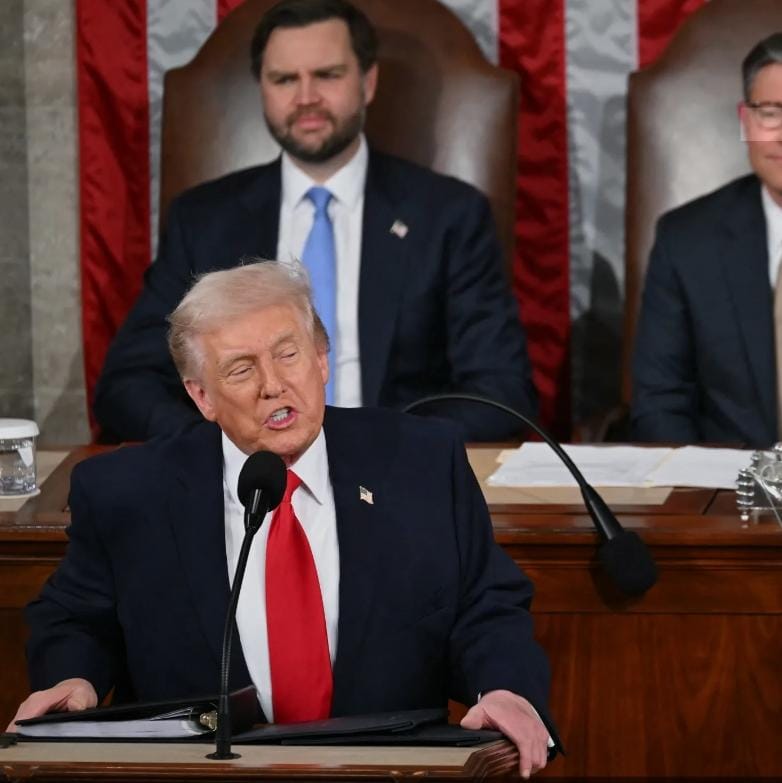
In his 2026 State of the Union address, U.S. President Donald Trump emphasized a “diplomacy first” strategy but reaffirmed a “maximum pressure” posture, signaling that military deterrence would remain in place alongside negotiations.
Military Posturing Intensifies
Despite renewed diplomacy, the United States has significantly expanded its military presence in the Middle East. The Pentagon has deployed its largest naval force to the region since 2003, including the aircraft carriers USS Abraham Lincoln and USS Gerald R. Ford, each accompanied by carrier strike groups.
U.S. intelligence officials have also briefed Congress on Iran’s continued development of advanced ballistic missile systems, including projects that could potentially extend to intercontinental range. However, analysts remain divided over whether Tehran currently possesses a credible mainland strike capability.
Domestic Pressures in Iran
The diplomatic process unfolds amid significant domestic unrest inside Iran. Reports from human rights organizations describe a violent crackdown on anti-government protests in January 2026, with casualty estimates reaching into the thousands. Iranian authorities have not publicly confirmed those figures.
The internal instability adds complexity to negotiations, as Iranian leaders face both external pressure from sanctions and military threats, and internal pressure from public dissent.
Diverging Red Lines
The central dispute remains unchanged:
The United States insists on preventing a nuclear-armed Iran, with officials reiterating demands for “zero enrichment” and the cessation of Iranian support for regional proxy groups.
Iran seeks sanctions relief and international recognition of its sovereignty, maintaining that retaining the “right to enrich” uranium for peaceful purposes is a red line.
The IAEA continues to press for full and unhindered access to all nuclear sites, including those damaged in the June 2025 strikes.
As talks resume in Geneva, diplomats describe the moment as fragile but consequential. Whether the current negotiations produce a temporary freeze, a structured interim agreement, or further escalation may shape regional security dynamics for years to come.