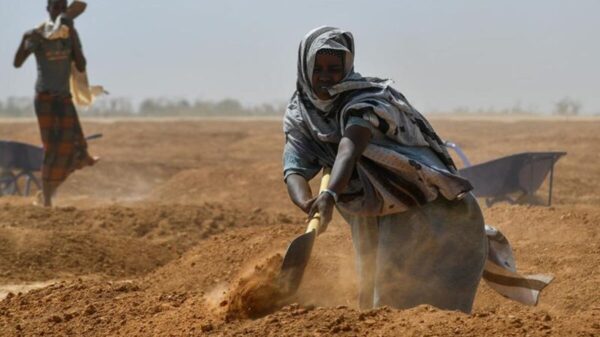










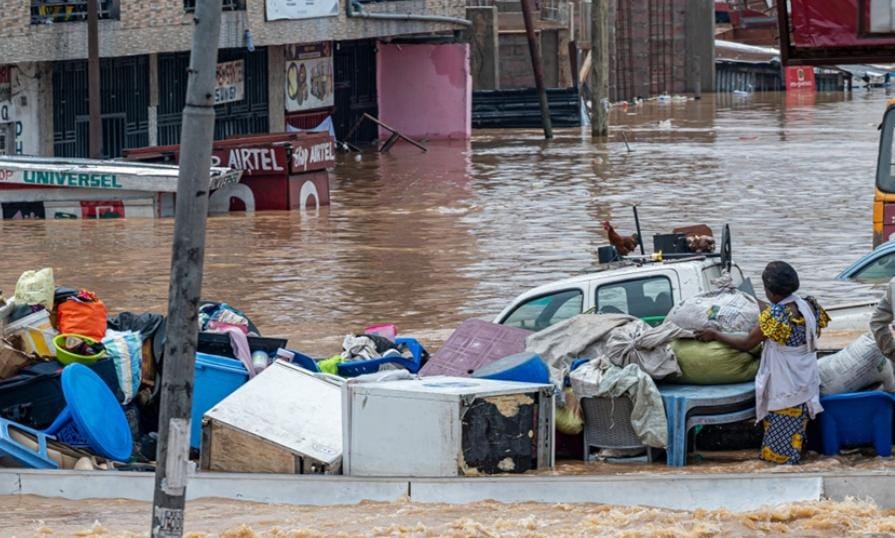
A severe humanitarian crisis unfolded Sunday evening in east-central Democratic Republic of the Congo (DRC) after days of torrential rainfall triggered catastrophic flooding that left more than 2,500 households homeless in Maniema province.
The disaster struck the Punia territory when the Congo River and the Ulindi River burst their banks, inundating vast swaths of farmland and residential communities. Local authorities describe the destruction as widespread and urgent.
Scale of the Impact
According to Jean-Claude Ngoy, president of civil society in Punia territory, entire villages have been devastated, particularly Kasera, Tubila, and Ulindi.
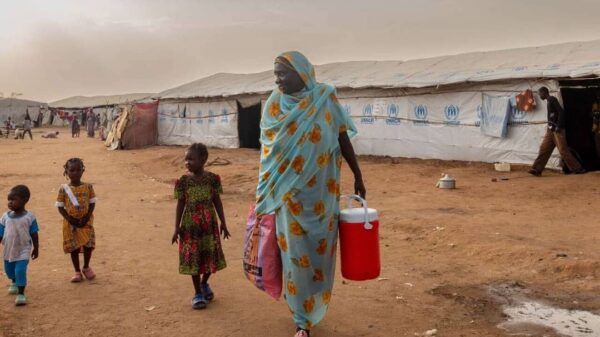
At least 2,533 households have been displaced, with families forced to seek refuge on higher ground or in makeshift shelters. Critical infrastructure—including schools, health centers, and drinking water sources—has been submerged or destroyed, severely limiting access to essential services.
The flooding has also triggered an immediate food security emergency. Crops and fish ponds, which form the backbone of local livelihoods, are now underwater. Residents face the dual threat of hunger and economic collapse, as subsistence farming and fishing activities have come to a sudden halt.
Immediate Humanitarian Concerns
Local leaders warn that without rapid intervention, the situation could deteriorate further. Stagnant floodwaters raise the risk of waterborne diseases such as cholera and dysentery, particularly in areas where clean water sources have been contaminated.
Emergency priorities include:
Temporary shelter for displaced families
Safe drinking water and sanitation facilities
Emergency food supplies
Basic medical assistance to prevent disease outbreaks
“We are calling on provincial and national authorities, as well as humanitarian partners, to respond immediately,” Ngoy said, emphasizing the urgent need for coordinated relief efforts.
Part of a Broader Crisis
The Maniema floods are unfolding within an already fragile humanitarian landscape in the DRC.
Climate-related disasters have intensified in recent years. Similar flooding in April 2025 killed dozens in Kinshasa and eastern provinces, highlighting the country’s growing vulnerability to extreme weather events.
At the same time, humanitarian funding remains critically low. The United Nations’ 2026 Humanitarian Needs and Response Plan is seeking $1.4 billion to assist nearly 15 million people across the country. As of February, only about 10 percent of the required funding has been secured, significantly constraining relief operations.
On February 16, the European Union announced €81.2 million in assistance for the Great Lakes region, with €68 million allocated to the DRC to address what officials described as the twin crises of conflict and climate related disasters.
As waters continue to rise, residents of Punia fear that temporary displacement could become a prolonged emergency if international support does not materialize swiftly.