












As Ukraine approaches the fourth anniversary of Russia’s full-scale invasion on February 24, 2022, the conflict has entered another brutal phase marked by intensified aerial assaults, deepening humanitarian strain, and continued diplomatic deadlock.
In what analysts describe as a strategy of “weaponizing winter,” Russian forces launched one of the largest coordinated strikes of the year overnight, targeting Ukraine’s already battered energy infrastructure amid sub-zero temperatures.
Massive Aerial Barrage Targets Energy Grid
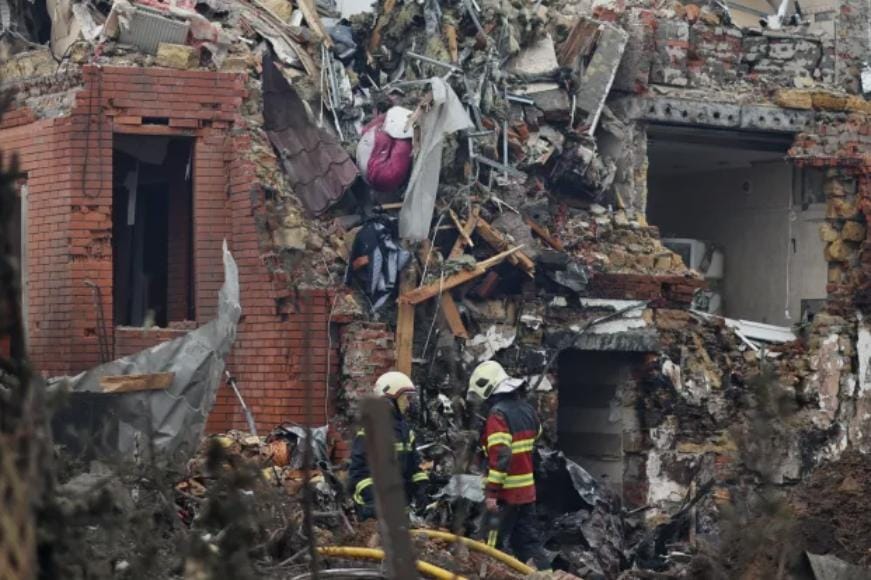
According to Ukrainian military officials, Moscow deployed 50 missiles and 297 drones in a sweeping attack aimed at crippling power generation and distribution facilities. While air defense systems intercepted a significant number of incoming projectiles, critical hits were reported in Kyiv, Odesa, and Kharkiv.
Energy authorities confirmed widespread disruptions, leaving millions without electricity, heating, or running water as temperatures dropped below -10°C. Emergency crews are working around the clock to restore service, though officials warn that repairs could take days in some regions.
The renewed strikes underscore Russia’s continued focus on undermining civilian infrastructure during the harsh winter months, a tactic that has reshaped daily life across the country.
Deadly Incident in Lviv
In western Ukraine, far from the front lines, a separate incident has shocked the nation. In the city of Lviv, a 23-year-old policewoman, Viktoriia Shpylka, was killed when explosive devices detonated in a central shopping district. Twenty-five others were injured in the blast.
Local authorities described the explosion as a “terror attack” and confirmed the arrest of a suspect. Investigations are ongoing to determine whether the incident is linked to broader wartime sabotage operations or domestic extremist activity.
Lviv, historically considered one of the safer urban centers during the war, has rarely experienced such lethal attacks, amplifying concerns about internal security as the conflict drags on.
Diplomatic Efforts Stalled
Meanwhile, diplomatic negotiations remain stalled. U.S.-brokered talks held in Geneva and the United Arab Emirates have failed to produce a breakthrough.
The primary sticking point continues to be territorial control. Moscow is reportedly demanding that Kyiv withdraw from the remaining 20 percent of the Donetsk region not currently under Russian control a condition Ukrainian officials have categorically rejected.
Ukrainian leadership maintains that any ceasefire must respect the country’s sovereignty and territorial integrity, while Western allies insist that peace negotiations cannot be imposed under coercion.
The Scale of the War
As the war enters its fifth year, its scale remains staggering:
Casualties: Ukrainian military estimates place total Russian casualties killed and wounded at over 1.2 million. Civilian deaths in Ukraine are estimated at nearly 16,000.
Territorial Occupation: Russia currently controls approximately 20 percent of Ukrainian territory, including Crimea and significant portions of the Donbas seized prior to 2022.
Energy Infrastructure: Since the invasion began, more than 2,500 strikes have targeted Ukraine’s energy grid, leaving many communities reliant on generators and experiencing rolling blackouts that limit electricity to only a few hours per day.
A Somber Anniversary Ahead
With the four-year anniversary approaching, global attention is expected to intensify. European capitals are planning commemorative events and renewed pledges of support, while military analysts warn that further escalations on the battlefield remain possible.
For Ukrainians enduring another freezing winter under fire, the anniversary is less a milestone than a reminder of the conflict’s endurance and of the uncertain path ahead.