









Tensions between Pakistan and Afghanistan escalated sharply on Sunday following overnight air strikes that left nearly 20 people dead and threatened to unravel a fragile ceasefire brokered late last year.
Air Strikes Leave Civilian Casualties
In the late hours of Saturday and early Sunday (February 21–22), the Pakistan Air Force carried out what officials described as “intelligence-based, selective operations” deep inside Afghan territory.
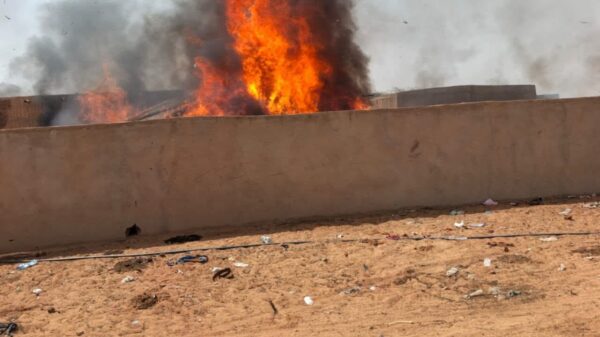
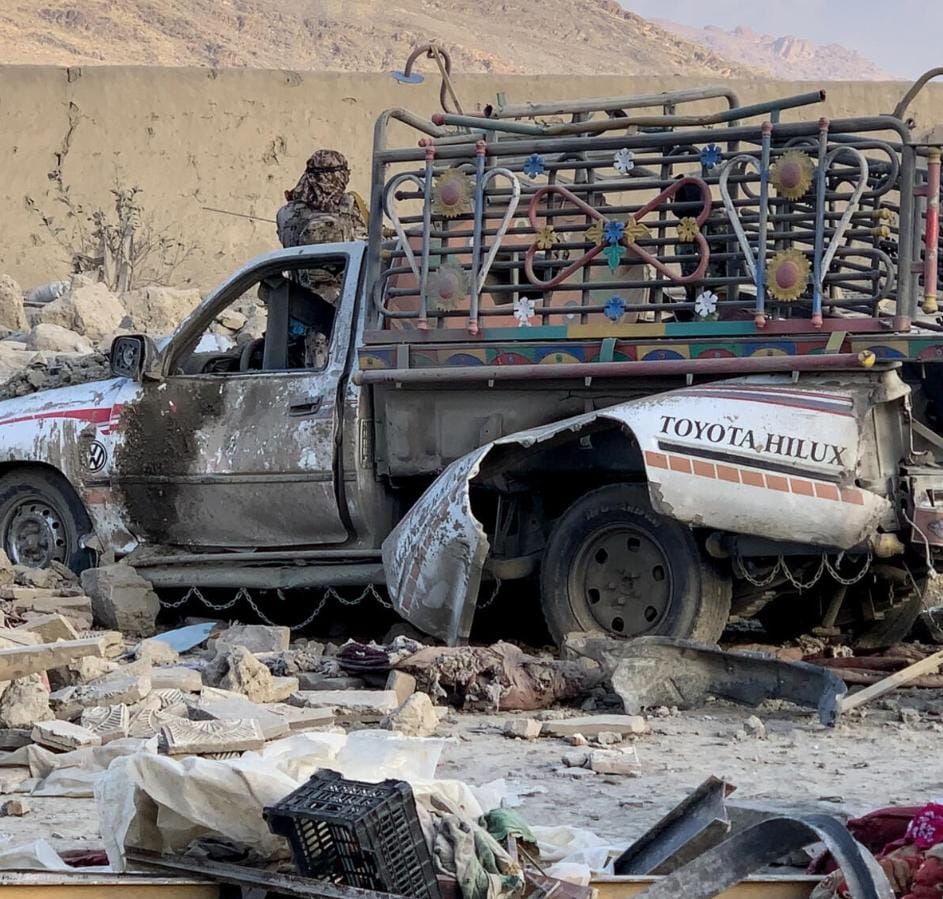
Afghan authorities in Nangarhar province confirmed that at least 17 people were killed in Behsud district alone, including 11 children. Local officials reported that entire families were buried beneath the rubble of residential homes struck during the bombardment.
Strikes were also reported in the Khogyani and Ghani Khil districts of Nangarhar, as well as Barmal district in Paktika province, according to Afghan sources.
Islamabad’s Justification
Pakistan’s Ministry of Information stated that the operations targeted seven camps allegedly belonging to the Tehrik-e-Taliban Pakistan (TTP) and the Islamic State Khorasan Province (ISIL-K). Islamabad maintains that these groups have orchestrated a wave of attacks inside Pakistan this month.
Among the incidents cited by Pakistani officials was the February 6 suicide bombing at the Khadija Tul Kubra mosque in Islamabad, which killed 31 people during prayers. Authorities attributed the attack to ISIL-K militants.
Escalating Violence in February
The air strikes come amid a surge in militant violence across Pakistan over the past two weeks:
February 6: ISIL-K claimed responsibility for a suicide bombing at a Shia mosque in Islamabad, killing 31 worshippers.
February 16: A suicide attacker targeted a security post in Bajaur, killing 11 soldiers and a child. Pakistani officials identified the attacker as an Afghan national.
February 21: Hours before the cross-border strikes, a suicide bomber hit a military convoy in Bannu, killing two soldiers, including a Lieutenant Colonel.
Pakistani authorities have argued that these attacks demonstrate the continued use of Afghan territory by militant groups targeting Pakistan.
Kabul’s Response
Afghanistan’s Ministry of Defence condemned the strikes as a “clear breach of national sovereignty” and international law. Kabul accused Pakistan of failing to address its internal security challenges and instead targeting Afghan civilians.
In a strongly worded statement, Afghan officials warned of a “measured and appropriate response” at a “suitable time,” raising concerns of further cross-border escalation.
The confrontation also calls into question the durability of the 2020 Doha Agreement, under which the Taliban committed to preventing Afghan soil from being used for attacks against other countries. Pakistan has appealed to the international community, arguing that Kabul is failing to uphold those commitments.
Ceasefire in Jeopardy
The latest strikes effectively shatter the Qatar-mediated ceasefire that had been in place since October 2025 following earlier border clashes. Analysts warn that sustained tit-for-tat actions could destabilize an already volatile frontier region and complicate diplomatic efforts to de-escalate tensions.
Broader Global Context
The flare-up comes amid a turbulent international climate in early 2026. In Washington, President Donald Trump’s newly formed “Board of Peace” convened this week to discuss a proposed $17 billion reconstruction framework for Gaza, though several nations have expressed skepticism over the plan’s scope and clarity.
Meanwhile, following a Supreme Court setback, President Trump announced plans to impose a 15 percent global tariff beginning next month, signaling potential disruptions to international trade flows.
In Eastern Europe, the Russia–Ukraine war entered its 1,458th day, with reports indicating that Russia is transforming occupied areas of Donbas into what observers describe as a large-scale military hub.
Together, these developments underscore a period of intensifying geopolitical strain, with the Pakistan–Afghanistan crisis emerging as the latest flashpoint in an increasingly fragmented global security landscape.