






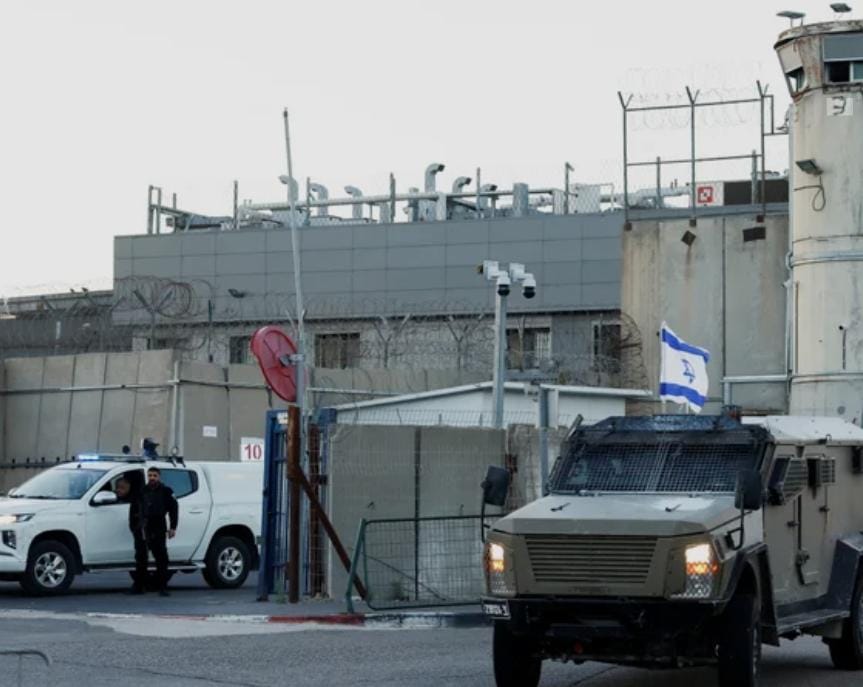
On February 19, 2026, the Committee to Protect Journalists (CPJ) released what it described as a landmark special report alleging widespread torture and systematic abuse of Palestinian journalists detained in Israeli prisons since October 2023.
Titled “We returned from hell”: Palestinian journalists recount torture in Israeli prisons, the report is based on in-depth interviews with 59 journalists detained between October 2023 and January 2026 and later released. CPJ said the findings reveal a “clear pattern” of abuse, which Regional Director Sara Qudah described as a “deliberate strategy to intimidate and silence journalists.”
Widespread Allegations of Abuse
According to CPJ, 58 of the 59 journalists interviewed reported experiencing torture, violence, or other forms of mistreatment during detention.
Former detainees described baton beatings, electroshocks, and prolonged stress positions. Several said they were forced to stand for hours, sometimes in unsanitary conditions, including sewage water.
At least 14 journalists reported being held in what they described as “disco rooms” — small cells where loud music and Hebrew or English songs were played continuously for extended periods, causing severe sleep deprivation and psychological distress.
Sexual and Psychological Violence
The report includes allegations of sexual abuse and humiliation. Journalist Sami al-Sai said he was assaulted with a baton at Megiddo prison. Other testimonies described threats directed at detainees’ families.
Former detainee Amin Baraka alleged that a soldier threatened him by referencing the killing of Gaza journalist Wael al-Dahdouh’s family, implying similar harm could be inflicted on his relatives.
CPJ said such threats were intended to break detainees psychologically and deter further reporting.
Medical Neglect and Starvation
Malnutrition and lack of medical care were recurring themes. Fifty-five of the 59 journalists reported extreme hunger, with CPJ calculating an average weight loss of 23.5 kilograms per detainee.
The report documents 27 cases of medical neglect, including wounds stitched without anesthesia and untreated fractures and eye injuries.
Approximately 80% of journalists in CPJ’s broader dataset were held under administrative detention, allowing detention without formal charges or trial for renewable periods.
Official Responses
The Israel Defense Forces rejected the allegations, stating detainees are treated “in accordance with international law” and that the military “has never, and will never, deliberately target journalists.”
Israeli authorities have previously claimed that some individuals identified as journalists were affiliated with Hamas or Palestinian Islamic Jihad and that press credentials were used as a “disguise.”
National Security Minister Itamar Ben-Gvir has publicly advocated for stricter detention conditions and the provision of what he termed the “bare minimum” for Palestinian detainees.
International Scrutiny
The UN Commission of Inquiry on the Occupied Palestinian Territory confirmed on January 22, 2026, that it is investigating abuse allegations as part of a broader war crimes inquiry.
As of February 19, 2026, CPJ reports at least 94 Palestinian journalists have been detained since October 2023, with 30 still in custody.
CPJ called for independent investigations, accountability, and the immediate release of journalists held without charge, emphasizing that protecting press freedom during armed conflict is a core obligation under international humanitarian law.