









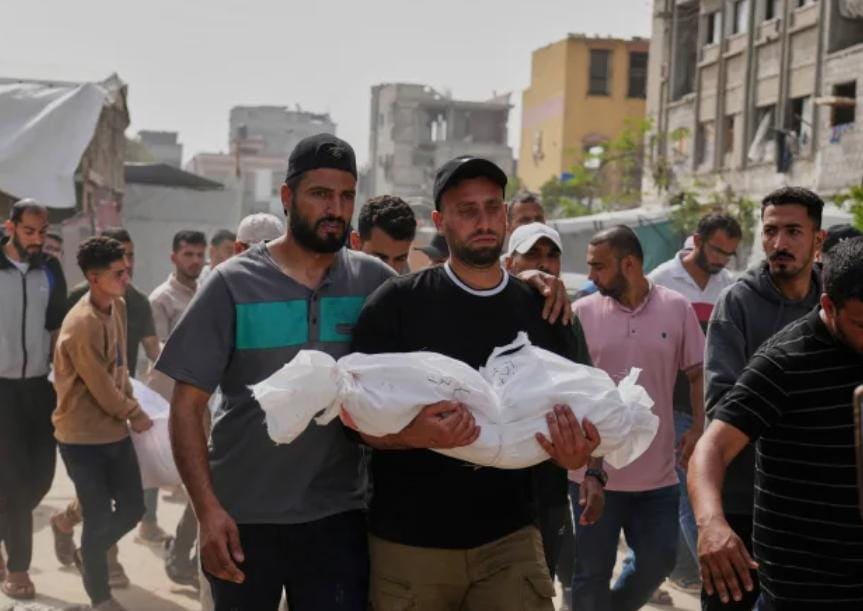
Medical evacuations of critically ill patients from Gaza remain far below urgent needs despite the partial reopening of the Rafah crossing earlier this month, according to United Nations agencies and humanitarian organisations.
Limited evacuations amid overwhelming demand
The Rafah crossing reopened on Feb. 1, 2026, for restricted humanitarian movement. However, aid agencies say the scale of evacuations remains dramatically insufficient.
As of mid-February, around 260 patients have been evacuated through the Rafah and Kerem Shalom crossings combined. Some were transferred to countries including Italy and Jordan for specialised treatment.
That figure contrasts sharply with estimates by the World Health Organization and Gaza’s Ministry of Health indicating that between 18,500 and 20,000 people require urgent medical treatment abroad, including roughly 4,000 children.
On Feb. 12, the humanitarian organisation Save the Children said the current evacuation rate – averaging about 12 patients per day – amounts to what it called a “slow death sentence” for thousands. At that pace, it would take more than four and a half years to clear the backlog.
Gaza’s Ministry of Health said 1,268 patients have died over the past two years while awaiting evacuation permits.
Continued casualties despite ceasefire
Although a ceasefire formally took effect on Oct. 10, 2025, violence has continued.
Between Oct. 10, 2025, and Feb. 16, 2026, the Palestinian Ministry of Health recorded more than 1,591 deaths and over 1,570 injuries linked to ongoing military actions.
Since October 2023, the total reported Palestinian death toll has exceeded 72,000, with more than 171,600 injured.
Humanitarian officials say the continued casualties are placing additional strain on Gaza’s already fragile healthcare system.
Health system in “catastrophic degeneration”
Aid agencies describe Gaza’s health infrastructure as being in “catastrophic degeneration.”
Only 19 hospitals across the territory are partially operational. No hospitals are functioning in the North Gaza governorate.
Facilities face acute shortages of electricity, medical supplies, surgical equipment and specialised personnel.
Nutrition partners screened nearly 90,000 children under five for malnutrition in January alone, amid food insecurity classified as “Critical” (Integrated Food Security Phase Classification Phase 4) in Gaza City.
Aid organisations warn that prolonged displacement, damaged infrastructure and restricted access to food and clean water continue to heighten public health risks.