








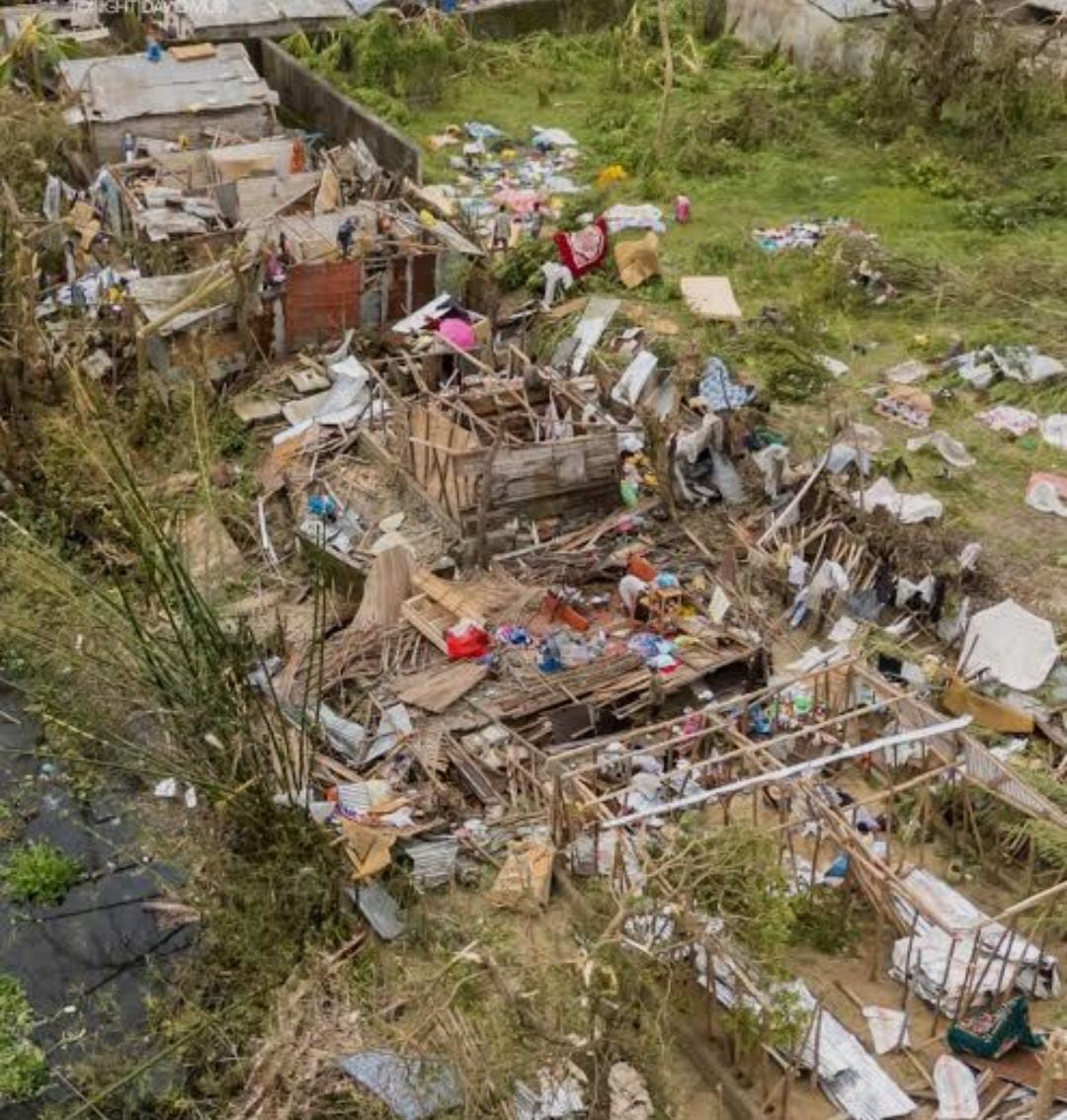
Cyclone Gezani has killed at least 45 people in Madagascar and Mozambique and displaced tens of thousands, authorities and United Nations agencies said, as the storm compounded existing humanitarian pressures in southern Africa.
The cyclone made landfall in Madagascar on Feb. 10 near the eastern port city of Toamasina with sustained winds of up to 215 km/h (134 mph), according to the U.N. Office for the Coordination of Humanitarian Affairs (OCHA) and national disaster authorities.
Madagascar’s National Office for Disaster Risk Management (BNGRC) said at least 41 people were confirmed dead and six were missing. About 427 people were injured and more than 16,300 were sheltering in temporary facilities.
An estimated 269,407 people – roughly 70,350 households – were affected nationwide, authorities said. Nearly 18,800 houses were completely destroyed and more than 51,700 damaged. In Toamasina, between 80% and 90% of infrastructure was reportedly damaged or destroyed.
The government estimated economic losses at about $142 million and declared a state of national disaster, appealing for international assistance.
After crossing the Mozambique Channel, Gezani made landfall again on Feb. 14 in southern Mozambique’s Inhambane Province, authorities said.
At least four people were reported dead in Mozambique and more than 13,000 were left without electricity after power lines were brought down. Water systems were severely disrupted in parts of Inhambane city.
The storm struck after weeks of flooding that had already affected more than 700,000 people and damaged around 170,000 homes in Mozambique, deepening humanitarian needs.
The U.N.’s Central Emergency Response Fund allocated $3 million for Madagascar, while the Start Fund released $1.46 million, according to U.N. officials. The World Food Programme (WFP) and partners have begun distributing 800 metric tons of rice and supporting search-and-rescue operations.
However, the WFP said it faced an $18.3 million funding shortfall to sustain emergency operations over the next six months.
Aid agencies warned that restoring electricity, clean water and transport networks would be critical to prevent secondary crises such as disease outbreaks and worsening food insecurity.
Officials said casualty and damage figures could rise as assessments continue in hard-to-reach areas.