











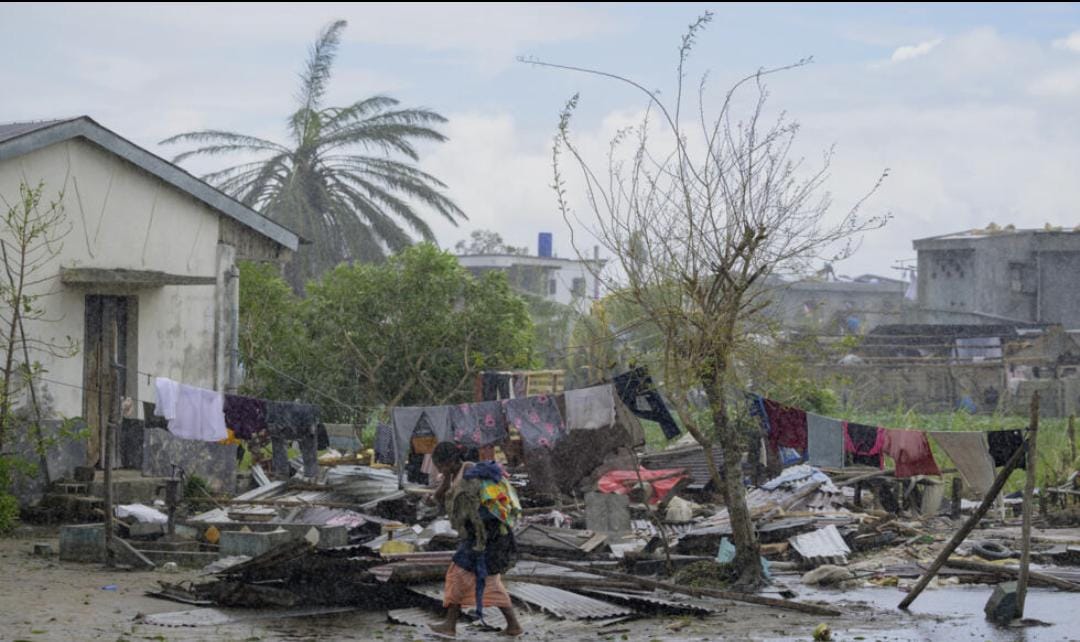
Authorities in Madagascar are confronting the severe aftermath of Cyclone Gezani, one of the most destructive storms to hit the country this year, as rescue teams work to reach isolated communities and restore damaged infrastructure.
According to official figures from the National Office for Risk and Disaster Management (BNGRC), the confirmed death toll has risen to 38. Of those, 32 fatalities were recorded in the eastern coastal region of Toamasina. Authorities reported 374 injured individuals, while six people remain missing.
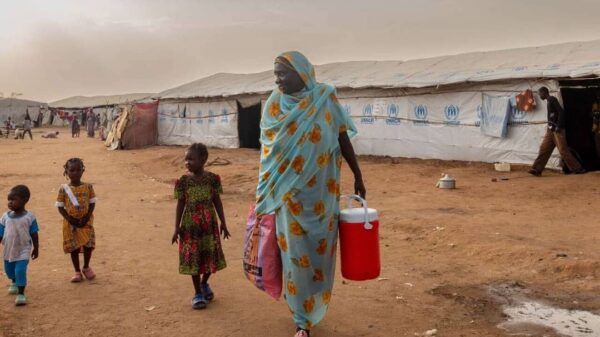
More than 12,000 residents are currently sheltering in emergency centers. Nationwide, over 260,000 people have been classified as affected (“sinistrés”) by the storm.
Toamasina—also known as Tamatave—bore the brunt of Category 3-equivalent winds, with gusts reaching 250 km/h. Local officials estimate that approximately 75 percent of the city sustained significant damage.
Housing losses are extensive:
- Over 18,000 homes completely destroyed
- Between 37,000 and 50,000 additional homes damaged or flooded
Around 600 classrooms are unusable, disrupting education for thousands of children.
The Port of Toamasina, Madagascar’s primary maritime gateway and a key hub for nickel and graphite exports, sustained structural damage that has disrupted operations. Sections of the RN2 highway linking Toamasina to the capital, Antananarivo, remain cut off, complicating aid delivery.
The government declared a State of National Disaster on February 11.
International assistance has begun arriving:
- The United Nations allocated $3 million from its CERF fund to support approximately 90,000 vulnerable people.
- France dispatched rescue teams and food aid from Réunion Island.
Cyclone Gezani is the second major storm to strike Madagascar in less than two weeks. Ten days earlier, Cyclone Fytia killed 14 people, compounding vulnerability across already weakened regions.
Authorities continue monitoring the storm’s remnants amid concerns over further regional impact.