










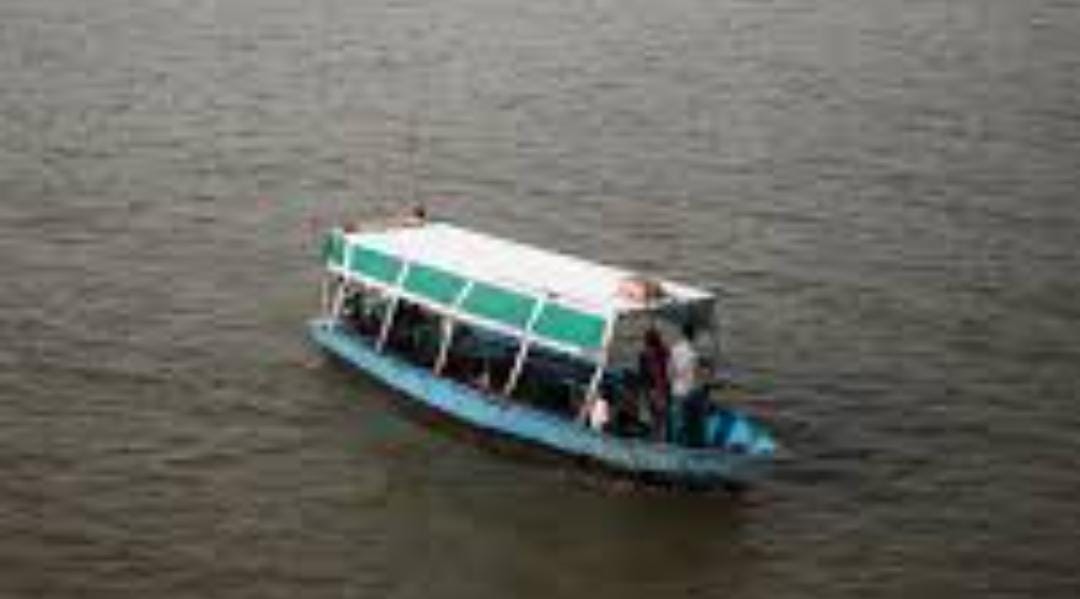
Sudanese authorities have confirmed that at least 21 people died after a wooden passenger ferry capsized on the Nile River near the town of Shendi in River Nile State on Wednesday evening.
The Incident
The ferry sank on February 11 along a stretch of the Nile between the villages of Tayba al-Khawad and Deim al-Qarai in Shendi district. Civil defense officials and eyewitnesses reported that the wooden vessel overturned amid high waves, with suspected overloading contributing to the incident.
The boat was commonly used for routine rural crossings between riverbank communities.
Casualties and Rescue Operations
According to official figures released by River Nile State authorities:
- 21 confirmed deaths (16 women and 5 men)
- 8 survivors rescued
- Between 6 and 12 individuals remain missing
The Sudan Sovereignty Council issued an official statement of condolence and published the names of the deceased. Rescue teams from Khartoum were dispatched to support local divers and recovery units as search efforts continue.
Official Response and Criticism
Police Major General Qurashi Hussein acknowledged that basic wooden ferries widely used in rural areas are particularly vulnerable during periods of high water levels and strong currents.
The Sudan Doctors Network (SDN) criticized what it described as delays in the initial emergency response, stating that the absence of safety standards including life jackets and regulated passenger records remains a persistent risk.
Background and Infrastructure Concerns
The Nile corridor near Shendi has experienced previous ferry accidents. In 2018, a similar incident in River Nile State resulted in 23 fatalities, many of them schoolchildren.
Sudan’s ongoing conflict and infrastructure damage have increased reliance on river transport in rural areas, where limited bridge access and deteriorating roads leave communities dependent on small, often unregulated vessels.
Authorities have not yet announced whether a formal investigation into the sinking will be launched.