













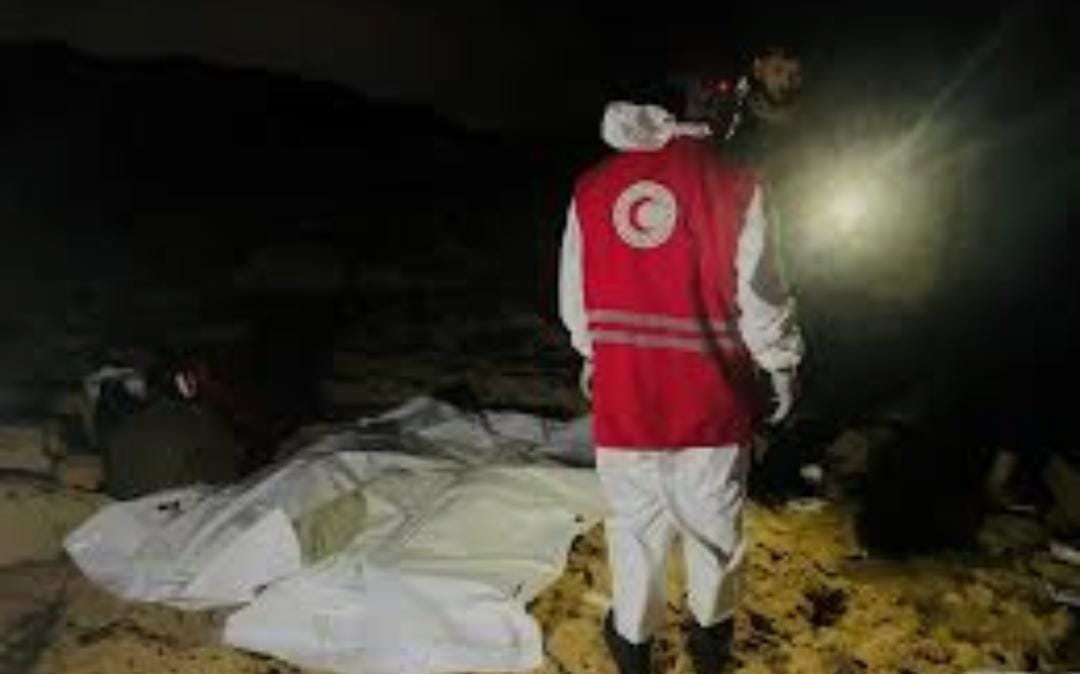
Libyan authorities have released additional details regarding a fatal medical helicopter crash at Al-Sarra air base in southeastern Libya, confirming that five people were killed, including three Libyan nationals, during a humanitarian evacuation mission.
The crash occurred on Monday, February 9, as the helicopter was returning to base after transporting a critically injured soldier who had suffered severe injuries in a traffic accident in a remote desert area near the city of Kufra, officials said.
Identified Victims
Officials at Martyr Attia Al-Kasah Hospital in Kufra confirmed that three Libyans were among the victims:
- Mustafa Majdi Hamid Wahida, a member of the military transport service
- Ali Fayez Al-Nazzal, a member of the military transport service
- Faraj Al-Nazzal, a specialized nurse affiliated with Martyr Attia Al-Kasah Hospital
The remaining two victims were foreign nationals serving as the flight crew—the pilot and his assistant. Libya’s Ministry of Health has not yet released their identities or nationalities pending official notification procedures.
Circumstances of the Crash
Preliminary assessments indicate that contact with the helicopter was lost as it attempted to land at Al-Sarra air base, located about 300 kilometers southeast of Kufra near the Libyan-Chadian border. Initial reports suggest the crash may have been caused by technical failure or worsened by harsh environmental conditions in the area.
Authorities stressed that these findings are provisional and that a full technical investigation is ongoing.
Operational Impact
Following the incident, medical evacuation flights operating in southeastern Libya have been temporarily suspended. Officials said the measure aims to allow comprehensive safety inspections of the remaining medevac fleet and prevent further accidents.
Broader Aviation Concerns
The crash has renewed attention on long-standing safety challenges in Libya’s aviation sector, where years of political instability and conflict have left much of the infrastructure dependent on aging aircraft and limited maintenance capacity, particularly in remote regions.
A final investigative report is expected in the coming days as authorities seek to determine the precise cause of the crash and improve safety standards for humanitarian and medical aviation operations.