













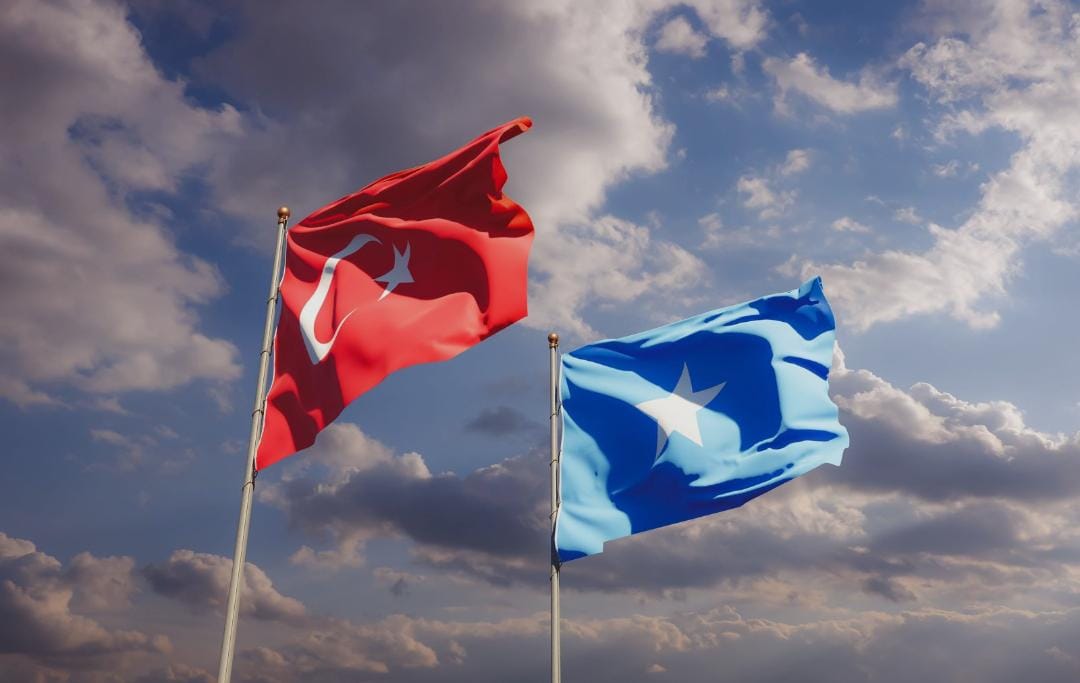
Somalia has taken a major step toward modernizing its maritime sector and integrating into the global shipping system with the approval of a comprehensive maritime cooperation agreement with Türkiye. The pact, endorsed by the Somali Federal Council of Ministers on Wednesday, significantly expands the strategic partnership between the two countries and underscores Ankara’s growing role in Somalia’s economic and security landscape.
According to official statements from the Somali Ministry of Ports and Maritime Transport and reports by Türkiye’s state-run Anadolu Agency, the agreement establishes a broad framework for technical, commercial, and regulatory cooperation across Somalia’s maritime domain. Officials said the deal is part of a wider reform agenda aimed at aligning Somalia’s maritime governance with international standards.
Port Modernization and Technical Cooperation
A central element of the agreement is the modernization of Somalia’s port infrastructure, with a particular focus on the Port of Mogadishu. Turkish companies are expected to play a leading role in planned expansion projects, including upgrades to container-handling capacity and the introduction of advanced logistics and port management systems.
The initiative builds on existing Turkish involvement in Somalia’s transport sector and is intended to strengthen Mogadishu’s position as a regional trade hub while improving efficiency and competitiveness.
Boost for Somali Seafarers
The agreement includes mutual recognition of seafarers’ certificates of competency, a move described as a breakthrough for Somali maritime professionals. Under the new framework, Somali-certified seafarers will be eligible to work on international vessels, including ships flying the Turkish flag, expanding employment opportunities and integrating Somali labor into global maritime markets.
Maritime Safety and Commercial Equality
Somalia and Türkiye also agreed to share technical expertise to enhance maritime traffic management and safety along Somalia’s coastline, the longest in Africa. The cooperation aims to strengthen navigation safety, port state control, and operational standards in Somali waters.
The pact further guarantees equal treatment for ships operating in each other’s ports, a provision intended to facilitate bilateral trade and reduce administrative barriers for commercial shipping.
Accession to International Conventions
Alongside the bilateral agreement, the Somali Cabinet approved accession to three key international maritime conventions. These include the Maritime Labour Convention of 2006, which protects seafarers’ rights and working conditions; the Nairobi International Convention on the Removal of Wrecks of 2007, which addresses environmental protection and shipowner liability; and the International Convention on Tonnage Measurement of Ships of 1969, a cornerstone of global shipping regulation.
Officials said the move would enhance Somalia’s standing with international partners and investors while strengthening regulatory oversight.
Strategic and Security Context
The agreement comes amid a broader deepening of Somalia–Türkiye relations in 2026. Recent developments include expanded cooperation on maritime security and resource protection, as well as the extension of Türkiye’s naval mandate in Somali waters until February 2027 to support anti-piracy operations and safeguard key sea lanes.
The partnership also aligns with a wider regional diplomatic dynamic involving Türkiye, Saudi Arabia, and Egypt, all of which have reiterated support for Somalia’s territorial integrity and maritime sovereignty in early 2026.
Looking Ahead
Somali officials described the agreement as a long-term investment in national capacity, economic growth, and sovereignty over maritime resources. With infrastructure upgrades, workforce integration, and international legal alignment underway, the government aims to position Somalia as a more stable and attractive participant in global maritime trade.
Further details on specific port expansion projects and planned offshore energy exploration activities are expected later in the year.