






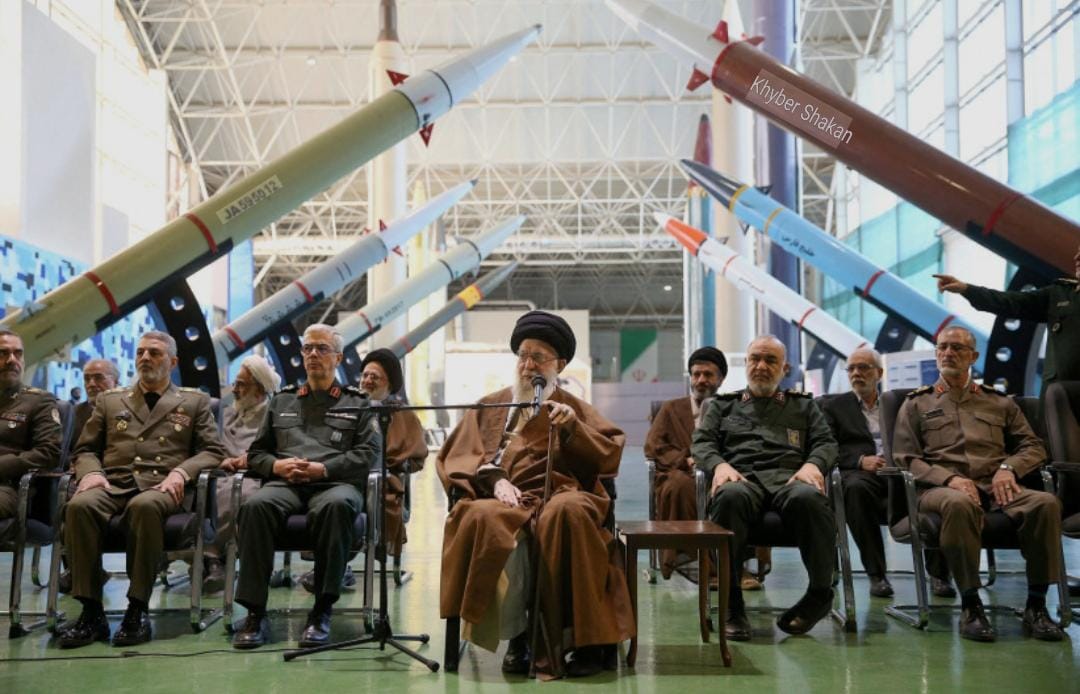
Tensions between Iran and Western powers have reached a critical stage, heightening fears of a wider regional conflict as Tehran retaliates against new European Union sanctions, reports of mass casualties from internal unrest mount, and military activity intensifies in the strategically vital Strait of Hormuz.
On Sunday, Iran’s parliament formally designated the armed forces of all European Union member states as “terrorist groups,” in direct retaliation for the EU’s decision last week to blacklist Iran’s Islamic Revolutionary Guard Corps. The move represents one of the most severe diplomatic confrontations between Tehran and Brussels in recent years.
The European Union’s foreign policy chief defended the designation of the Guard, citing what she described as its central role in the violent suppression of nationwide anti-government protests. Iranian officials denounced the EU move as hostile and warned that further countermeasures would follow.
Rising Death Toll From Internal Unrest
The diplomatic escalation coincides with mounting international concern over casualties linked to Iran’s recent unrest. Iranian authorities have acknowledged approximately 3,117 deaths, including protesters and members of the security forces, but independent assessments indicate a substantially higher toll.
Human rights organizations and international media report that thousands more may have been killed, particularly during the peak of the crackdown on January 8 and 9. The activist network HRANA has documented more than 6,700 deaths, with a further 17,000 cases under verification. A United Nations special rapporteur has cited estimates ranging from 5,000 to 20,000 fatalities, while reports attributed to local health officials claim that as many as 30,000 people may have died within a two-day period.
Widespread internet shutdowns and strict limits on independent reporting have hindered verification, leaving the true scale of the death toll unclear.
Strait of Hormuz on Edge
The situation has been further destabilized by plans for live-fire military exercises by the Revolutionary Guard in the Strait of Hormuz on February 1 and 2. The narrow waterway is a critical global energy chokepoint, through which about one-fifth of the world’s oil supply transits.
The United States Navy’s Fifth Fleet has issued warnings against any attempt to disrupt international maritime traffic, emphasizing that even a limited incident could escalate rapidly.
U.S. Signals Diplomacy — and Force
U.S. President Donald Trump said that structural arrangements for negotiations with Iran are progressing, even as Washington continues to bolster its military posture in the region. He has repeatedly referenced U.S. strikes carried out in June 2025 against Iranian nuclear facilities as proof of American readiness should diplomacy fail.
Iran’s supreme leader responded with a warning that any U.S. military action would ignite a regional conflict involving multiple Middle Eastern actors.
A Fragile Moment
With sanctions expanding, casualty figures rising, and heavily armed forces operating in close proximity, analysts warn that the crisis has entered a highly volatile phase. Although diplomatic channels remain open, the simultaneous escalation on political, military, and domestic fronts has sharply reduced the margin for error.
As of February 1, 2026, no clear path toward de-escalation has emerged, leaving the Middle East and global energy markets bracing for further shocks.