







Iran is facing its deadliest internal unrest since the 1979 Islamic Revolution, as nationwide protests triggered by economic collapse and currency devaluation escalated into a sustained uprising met with an unprecedented military-style crackdown.
International observers and human rights organizations say the crisis has entered a critical phase, marked by mass casualties, widespread arrests and near-total information blackouts.
The protests began on Dec. 28, 2025, after the sharp devaluation of the rial and surging food prices sparked demonstrations in major cities. What began as economically driven protests has since evolved into a broad anti-government revolt challenging the authority of the Islamic Republic’s leadership.
Supreme Leader Acknowledges Mass Deaths
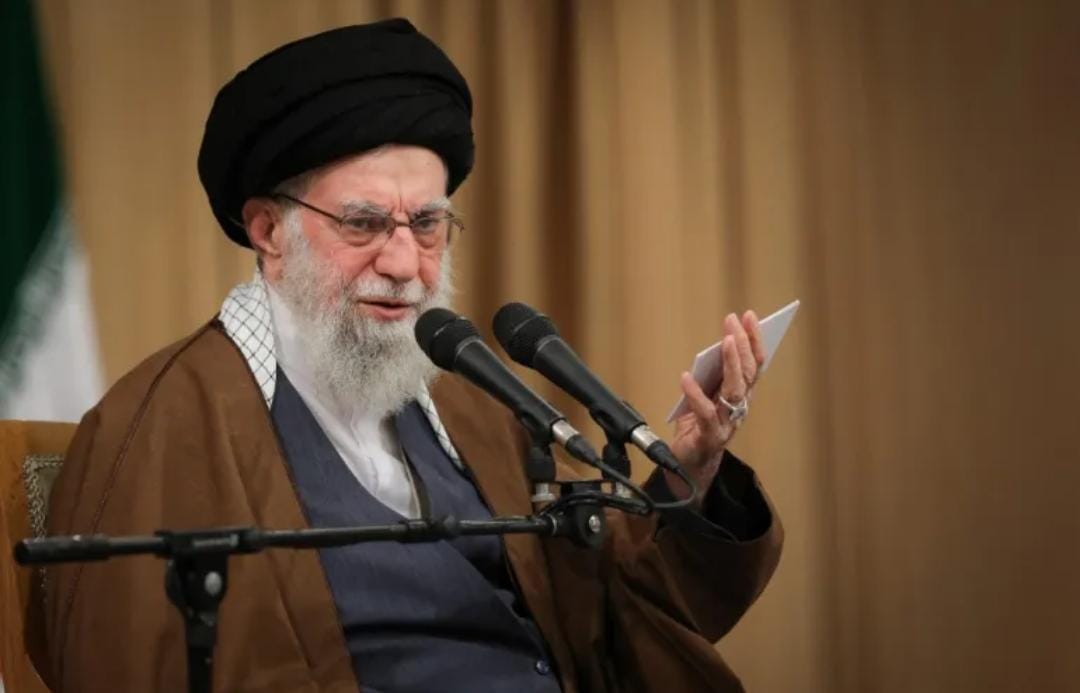
In a rare public admission on Jan. 17, Iran’s Supreme Leader Ali Khamenei said the unrest had resulted in “several thousand” deaths.
He blamed the violence on what he described as “rioters and foreign-backed agents,” accusing them of attacking state institutions and setting fire to more than 250 mosques and medical facilities.
It marked the first time Iranian authorities publicly acknowledged fatalities on such a scale, after weeks of denying or downplaying reports of mass killings.
Independent Groups Report Higher Casualties
Human rights organizations paint a far grimmer picture.
The Human Rights Activists News Agency (HRANA) says it has verified 3,090 deaths, including 2,885 protesters, based on confirmed identities, locations and eyewitness testimony. The same group reports more than 18,100 arrests nationwide over the past two weeks.
Other outlets, including Iran International and CBS News, citing sources inside the country, estimate total fatalities could range between 12,000 and 20,000. They attribute the higher figures to intense clashes during a nationwide internet blackout imposed between Jan. 8 and Jan. 15, which severely restricted independent verification.
Amnesty International and Human Rights Watch say they continue to document abuses and have verified “hundreds” of deaths through video evidence, medical records and family testimonies.
Military Tactics and Hospital Arrests
Rights groups describe a sharp escalation in state tactics.
According to Amnesty International and Human Rights Watch, security forces used live ammunition and metal pellet weapons against unarmed protesters in at least 13 cities.
Eyewitness accounts and medical staff reports indicate that security units entered hospitals in Tehran and Shiraz to arrest wounded demonstrators, a practice condemned by rights groups as a violation of international humanitarian standards.
Regional monitoring organizations have labeled the events of early January the “2026 Iran Massacres,” citing the concentration of deaths during the eight-day communications blackout.
Trump Administration Takes Confrontational Stance
The crisis has prompted an unusually direct response from Washington.
On Jan. 13, U.S. President Donald Trump posted on Truth Social urging “Iranian Patriots” to “keep protesting” and to “take over your institutions,” signaling open political support for the protest movement.
The United States has since canceled all diplomatic engagements with Iranian officials, with the White House saying talks would not resume until the “senseless killing of civilians” ends.
On Jan. 12, Washington imposed a 25% secondary tariff on any country continuing to do business with Iran, naming China, India and Türkiye among those affected, in a move aimed at deepening Iran’s economic isolation.
White House officials have also confirmed that military options, including airstrikes, remain under consideration if Iranian authorities proceed with mass executions of detained protesters.
Protests Temporarily Suppressed, Tensions Remain
As of Jan. 17, reports from Tehran indicate that large-scale street protests have been temporarily suppressed following the crackdown.
Security drones continue to patrol the capital, while residents describe an atmosphere of extreme tension.
Authorities have begun a phased restoration of internet services, starting with limited SMS access, although full connectivity remains restricted.
Activists warn that despite the current lull, public anger remains widespread and further unrest is likely once communications are fully restored.
Conflicting Death Toll Estimates
| Source | Estimated deaths | Notes |
|---|---|---|
| Iranian government | “Several thousand” | Blames rioters and foreign agents |
| HRANA | 3,090 verified | Confirmed identities and locations |
| Iran International / CBS | 12,000–20,000 | Internal sources during blackout |
| Amnesty International | Hundreds verified | Ongoing documentation |
A Crisis at a Turning Point
With thousands dead, tens of thousands detained and the economy in free fall, analysts say Iran is facing its most serious internal legitimacy crisis in nearly five decades.
Whether the authorities can maintain control without further mass violence — or whether protests reignite once communication lines reopen — remains the central question in the days ahead.
For now, Iran stands at a dangerous crossroads, as the world watches a conflict still unfolding behind partially lifted digital walls.