





South Sudan’s fragile peace process has reached a critical juncture following the suspension and detention of First Vice President Riek Machar, triggering urgent diplomatic intervention by the European Union, the United States and key international and regional powers seeking to avert the collapse of the 2018 Revitalised Peace Agreement.
The political crisis, compounded by escalating military confrontations and mounting humanitarian pressures, has raised fears that the world’s youngest nation could slide back into full-scale civil war.
International Partners Issue ‘Grave Warning’
On Jan. 13, a high-level gathering of foreign ambassadors in Juba issued a joint statement expressing “grave concern” over South Sudan’s deteriorating political and security situation.
The statement was endorsed by the European Union, the United States, Britain, Norway, Canada, France, Germany, Japan and the Netherlands, alongside regional diplomatic missions from Sudan and Uganda.
The group urged an immediate cessation of hostilities and called on President Salva Kiir and detained opposition leader Machar to return to “inclusive dialogue” to preserve the peace agreement.
Diplomatic sources described the statement as one of the strongest coordinated international warnings since the 2018 deal ended five years of civil war that killed nearly 400,000 people.
African Union Steps In
Parallel to Western diplomatic efforts, the African Union launched a high-level intervention.
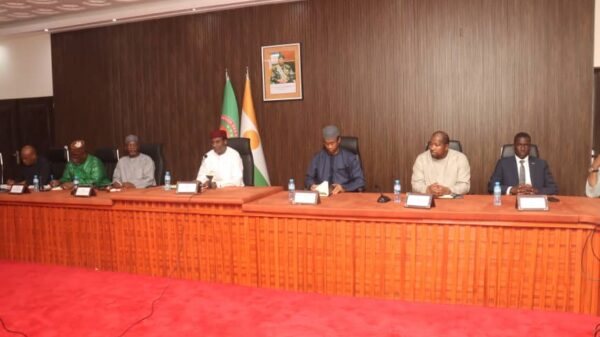
On Jan. 14–15, South African Foreign Minister Ronald Lamola led the AU’s “C5” committee — comprising South Africa, Algeria, Chad, Nigeria and Rwanda — on a mission to Juba.
The visit is a precursor to a special AU Peace and Security Council meeting scheduled for Jan. 19, where regional leaders are expected to consider further diplomatic or political measures to stabilise the country.
AU officials have warned that Machar’s detention and the suspension of opposition political activity pose a direct threat to the viability of the peace framework.
The Machar Crisis
The immediate trigger for the emergency is the legal and physical restriction placed on Machar, leader of the SPLM-IO opposition movement.
Machar faces more than 20 charges, including treason, murder and financing terrorist activities, linked to violent clashes in early 2025 involving the White Army, a Nuer-aligned militia, in Upper Nile State.
His detention has effectively paralysed opposition participation in government and reignited long-standing ethnic and political tensions.
Fighting has since intensified between the South Sudan People’s Defence Forces (SSPDF) and SPLM-IO loyalists in several regions.
Security and Human Rights Deterioration
The United Nations Mission in South Sudan (UNMISS) reported on Jan. 9 that while overall combat-related deaths have slightly declined, abductions have increased by 20%, alongside widespread sexual violence in conflict-affected areas including Central Equatoria and Unity State.
Human rights groups warn that civilian protection mechanisms are weakening as armed groups regain control of territory.
Elections in Doubt
Despite the crisis, the government continues to press ahead with national elections scheduled for December 2026, the first since independence.
However, international observers and civil society groups have raised concerns after the presidency announced plans in December to unilaterally amend the 2011 Transitional Constitution and key provisions of the 2018 peace agreement.
Critics say the move undermines the consensus-based governance arrangements underpinning the peace deal.
Security sector reforms remain largely stalled, with the Necessary Unified Forces — intended to merge rival armed groups into a single national army — still not fully integrated.
Humanitarian Pressures Mount
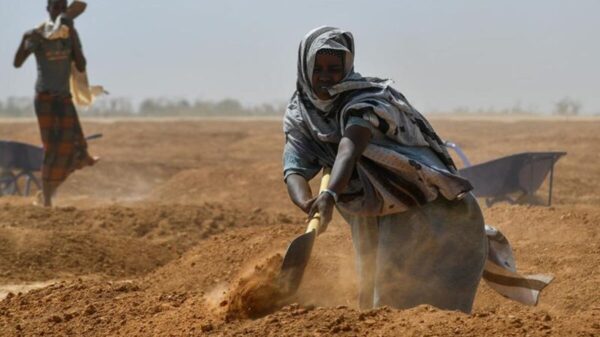
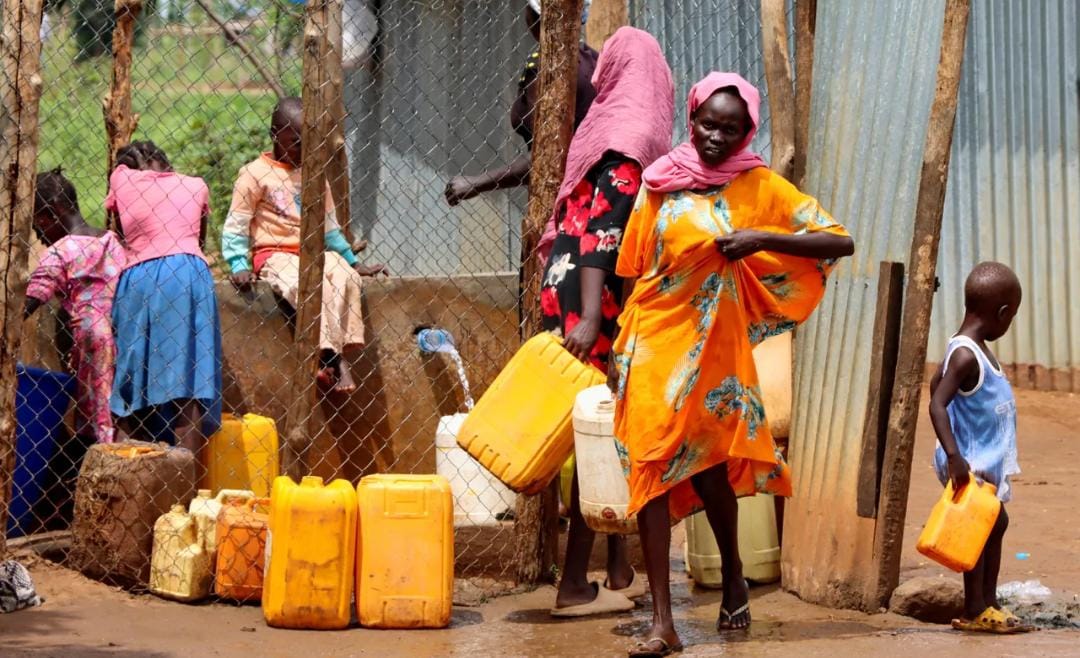
The political crisis is unfolding amid a growing humanitarian emergency.
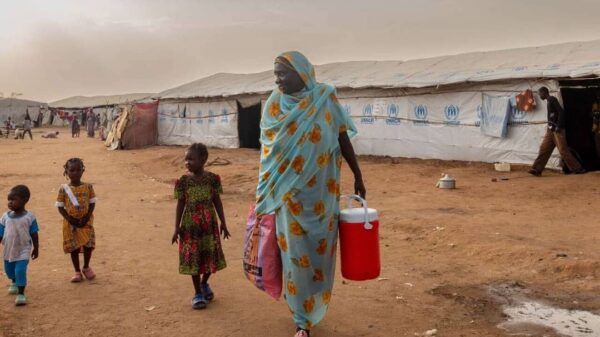
The war in neighbouring Sudan has pushed more than 1.2 million refugees into South Sudan since late 2025, overwhelming aid operations and straining an already fragile economy.
Aid agencies warn that food insecurity, displacement and funding shortages are reaching critical levels as insecurity spreads.
A Decisive Moment
Diplomats say the coming days will be decisive for South Sudan’s future.
With the African Union set to deliberate next week and international partners intensifying pressure on Juba’s leadership, the fate of the 2018 peace deal — and the country’s stability — hangs in the balance.