











The United States has confirmed a sweeping suspension of immigrant visa processing for nationals of 75 countries, significantly expanding migration restrictions under President Donald Trump’s administration.
The directive, issued by the U.S. State Department, will take effect on Jan. 21 and instructs U.S. embassies and consulates worldwide to halt the issuance of immigrant visas to affected nationals, according to official bulletins and diplomatic communications.
The suspension applies specifically to immigrant visas, which grant foreign nationals permanent residence in the United States, commonly known as green cards. It does not apply to non-immigrant visa categories, including B1/B2 tourist and business visas, F-1 student visas or H-1B temporary work visas, officials said.
The directive provides limited exemptions for dual nationals who travel using passports from countries not included on the restricted list, allowing some applicants to continue processing under narrow circumstances.
Public Charge Policy at the Core
Administration officials said the decision is tied to a renewed enforcement of “public charge” standards, which assess whether applicants are likely to depend on U.S. government welfare or public assistance.
Under the guidance, consular officers have been instructed to pause ongoing immigrant visa cases and, in some instances, refuse visas that have already been approved but not yet printed. Internal documents describe the move as a temporary but indefinite suspension pending further policy review.
Officials argue the measure is necessary to protect public resources and ensure that new permanent residents are financially self-sufficient.
Immediate Operational Impact
U.S. embassies and consulates have begun implementing the directive, placing thousands of pending immigrant visa applications on hold.
Applicants who have already completed interviews or received provisional approvals now face the prospect of sudden refusals or prolonged delays, diplomatic sources said.
Consular officers have also been instructed not to schedule new immigrant visa interviews for affected nationals once the policy takes effect next week.
Countries Affected
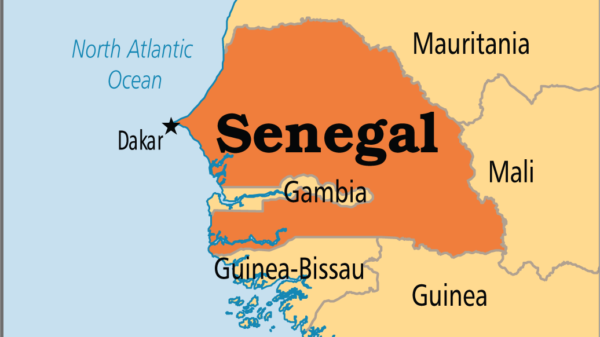
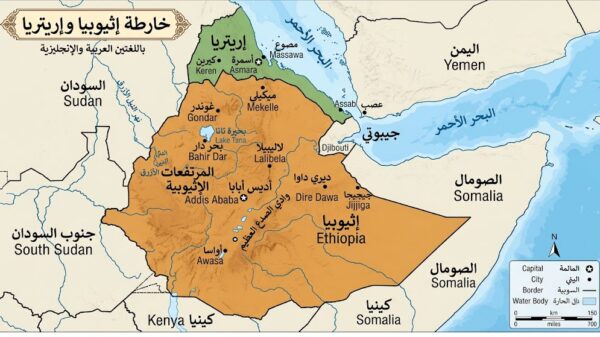
While the full list includes 75 countries, the State Department has not publicly released a comprehensive breakdown. Officials confirmed that countries across Africa, the Middle East, South Asia and Latin America are among those affected, with diplomatic missions notified through internal channels.
Political and Global Reaction
The decision has drawn immediate international attention, with several foreign governments seeking clarification from U.S. diplomatic missions.
Immigration advocacy groups and legal analysts are preparing potential court challenges, arguing the suspension could face constitutional and statutory scrutiny.
For now, the State Department says the policy is lawful, targeted and consistent with the administration’s broader immigration agenda.
As the Jan. 21 implementation date approaches, affected applicants worldwide face growing uncertainty, while U.S. allies and partners await further clarification from Washington.