











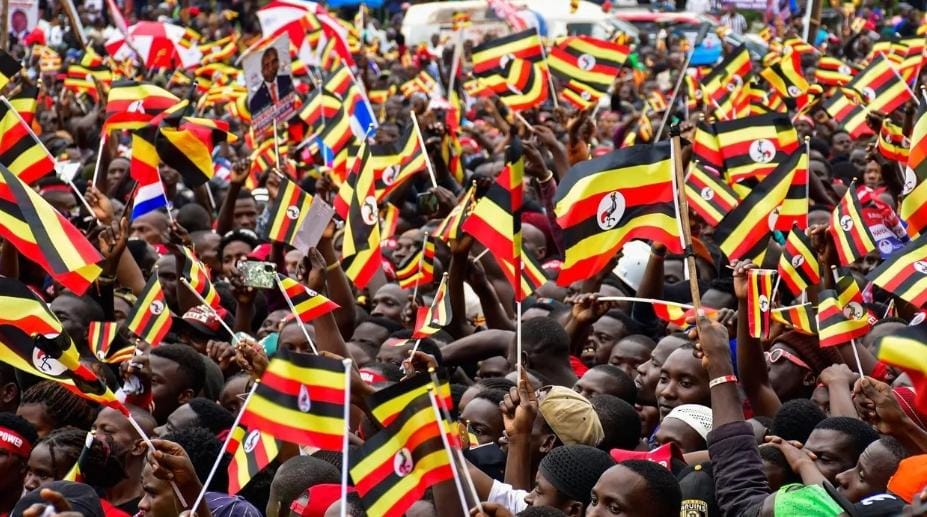
Uganda’s Uganda Communications Commission (UCC) has ordered a temporary nationwide shutdown of public internet services, set to take effect at 6:00 p.m. local time on Tuesday, two days before the country’s general elections scheduled for Thursday, Jan. 15.
In an official directive signed by UCC Executive Director Nyombi Thembo, the regulator said the decision followed recommendations from the Inter-Agency Security Committee and was intended to maintain stability during the sensitive electoral period.
According to the directive, the shutdown aims to curb the spread of online misinformation and disinformation that authorities say could undermine public confidence in the electoral process. The UCC also cited concerns over the use of digital platforms to incite violence, as well as the need to safeguard national security, including the operational integrity of communications infrastructure and the prevention of electoral fraud.
Broad Scope of Restrictions
The order goes beyond the social media restrictions imposed during previous election cycles. Affected services include mobile broadband networks, fixed fiber internet connections, leased internet lines and satellite-based internet services.
The regulator also ordered the suspension of outbound data roaming to “One Network Area” countries within the East African Community and halted the sale and registration of new SIM cards nationwide.
However, the UCC said certain essential services would remain operational. These include national referral hospital systems, limited financial service infrastructure and the Electoral Commission’s voter verification and vote tabulation platforms.
The shutdown will remain in force “until a restoration notice is issued,” the directive said.
Contradictions With Earlier Government Statements
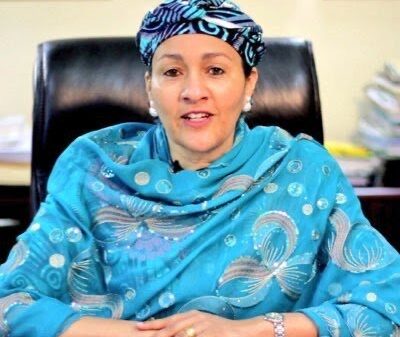
The decision comes days after senior government officials publicly denied plans for an internet blackout. Between Jan. 5 and Jan. 7, the Ministry of ICT Permanent Secretary, Dr. Aminah Zawedde, alongside UCC officials, described reports of an impending shutdown as “fake news” and “misleading.”
The reversal has drawn criticism from opposition figures and civil society organisations, which say the shutdown undermines transparency and restricts independent monitoring of the electoral process.
Political Reaction
Opposition leader Robert Kyagulanyi, widely known as Bobi Wine, said he had anticipated the move and urged supporters to prepare alternative means of communication. He accused authorities of using the shutdown to facilitate vote rigging and to block real-time verification of election results.
Government officials have not publicly responded to the allegations.
Economic and Social Concerns
Uganda has imposed similar internet shutdowns during past elections, most notably in 2021, when disruptions lasted nearly 100 hours. Economic analysts estimate that previous blackouts caused losses amounting to hundreds of billions of Ugandan shillings, disrupting banking services, mobile money transactions, e-commerce platforms and media operations.
Business associations and digital rights groups have repeatedly warned that such shutdowns damage investor confidence and interrupt essential services.
Awaiting Restoration Timeline
As of Tuesday evening, authorities had not provided a specific timeline for restoring public internet access, saying only that services would resume once a formal restoration notice is issued.
The move places Uganda among a growing number of countries that restrict internet access during elections, a practice widely criticised by international human rights and press freedom organisations.