












THE HAGUE, Jan 12, 2026 — The International Court of Justice on Monday opened public hearings in The Gambia v. Myanmar, a landmark case testing whether any state can hold another accountable for genocide under international law.
The hearings, running until Jan. 29, mark the merits phase of the case, in which judges will examine allegations that Myanmar’s military committed genocide against the Rohingya during operations in 2016 and 2017.
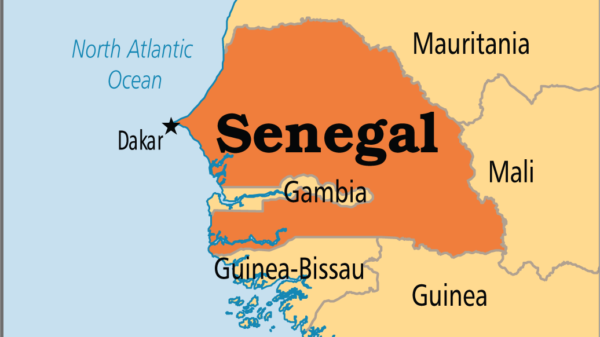
The case is the first in which a country with no direct link to the conflict has brought proceedings under the Genocide Convention, invoking obligations owed to all signatory states.
The The Gambia says Myanmar’s “clearance operations” in Rakhine State were carried out with intent to destroy the Rohingya as an ethnic and religious group, citing United Nations findings of mass killings, sexual violence, village destruction and forced displacement.
In a rare move, the court has allowed closed-session testimony from Rohingya survivors, a step legal experts say highlights the seriousness of the allegations.
Eleven countries, including Canada, Britain, Germany, France and the Netherlands, have intervened in support of The Gambia.
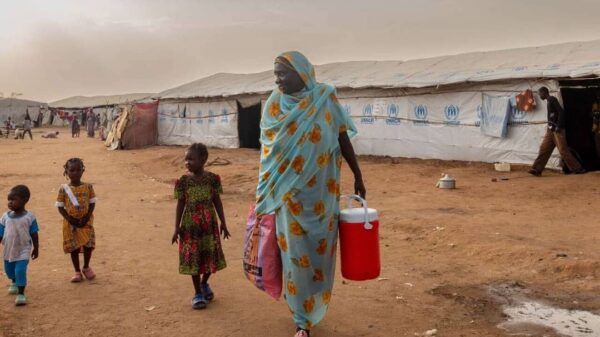
Nearly a decade after the crackdown, about 1.17 million Rohingya refugees live in Bangladesh, while some 600,000 remain in Myanmar under tight restrictions, according to UN agencies.
Myanmar denies committing genocide.