














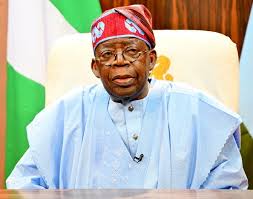
Nigerian President Bola Tinubu has announced that the country will move ahead with the implementation of new tax laws starting on January 1, despite criticism questioning whether the officially published text fully matches the version approved by Parliament.
Tinubu described the move as a “historic opportunity” to reset Nigeria’s financial system and boost government revenue.
The announcement comes amid intense political debate, with opposition lawmakers accusing the executive branch of introducing unauthorized amendments that grant expanded powers to tax authorities, raising concerns over potential breaches of constitutional procedures.
Meanwhile, Nigeria’s central bank has expressed cautious optimism about the country’s economic outlook, forecasting growth of 4.49% and a decline in inflation to an average of 12.94% in 2026.
The bank attributes these positive projections to greater stability in the foreign exchange market, increased oil production, and the consolidation of structural reforms, including those in the tax sector.
Nigeria’s government has implemented a series of economic reforms over the past two years, notably ending fuel subsidies and devaluing the national currency. However, fiscal pressures persist, with budget deficits expected to continue into next year.