

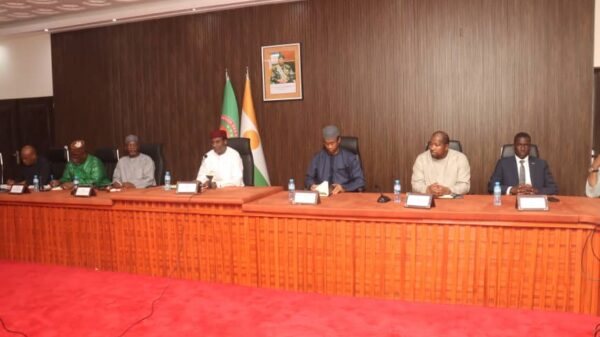




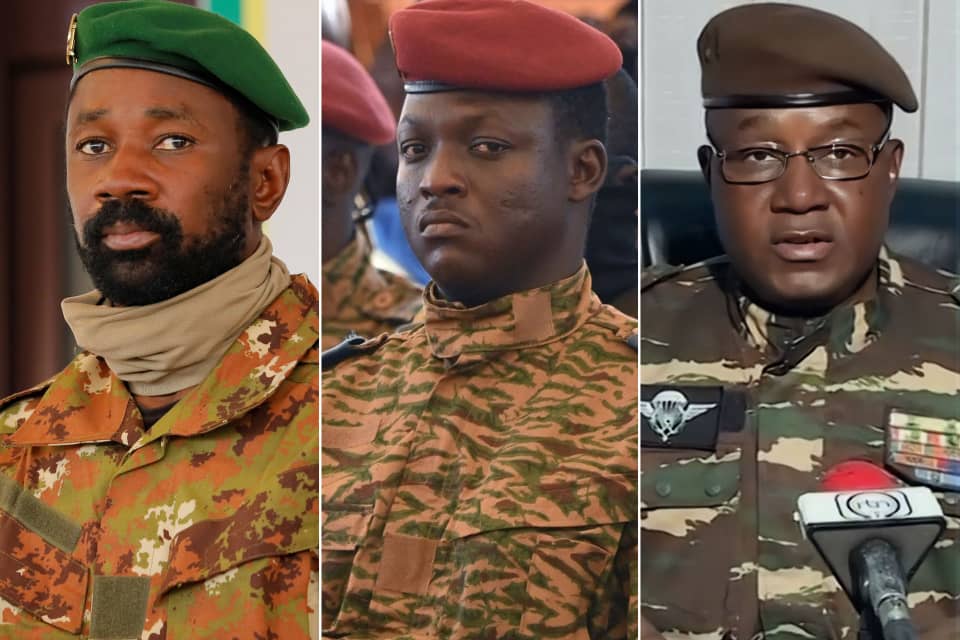
The three Sahel Alliance countries — Mali, Burkina Faso, and Niger — withdrew from the annual meeting of the West African Economic and Monetary Union (UEMOA) Council of Ministers held in Lomé, Togo, to protest the failure to transfer the rotating presidency to Burkina Faso.
Reasons Behind the Withdrawal
Under UEMOA’s internal regulations, the presidency rotates every two years among member states. Burkina Faso was expected to succeed Côte d’Ivoire, which had held the position for two years, but talks broke down, prompting the three countries to exit before the session concluded.
Tensions were further heightened by Burkina Faso’s vocal criticism of France’s continued role in printing and guaranteeing the CFA franc — a currency many now view as a symbol of lingering economic dependence and neocolonialism.
This move follows the trio’s earlier withdrawal from ECOWAS in January 2025. They are now focusing on strengthening their own military and economic bloc — the Sahel States Alliance — with open backing from Russia.
A Broader Geopolitical Shift
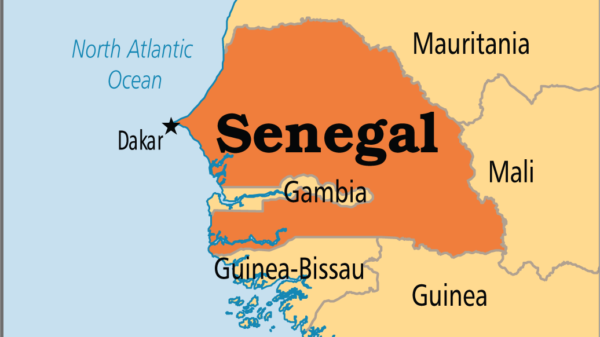
The withdrawal underscores a deepening rift between West African nations aligned with the West (such as Senegal and Côte d’Ivoire) and those pivoting toward alternative partnerships (notably Mali, Niger, and Burkina Faso).
The three Sahel countries are actively working to build a new confederal framework that includes joint defense, infrastructure, and monetary cooperation — including a proposed alternative currency to the CFA franc.
They have also announced plans to establish a regional investment bank and a stabilization fund.
This withdrawal forms part of a wider geopolitical realignment in West Africa, as several nations seek greater autonomy from traditional, Western-backed regional structures — a shift that could reshape the region’s economic and security architecture.