






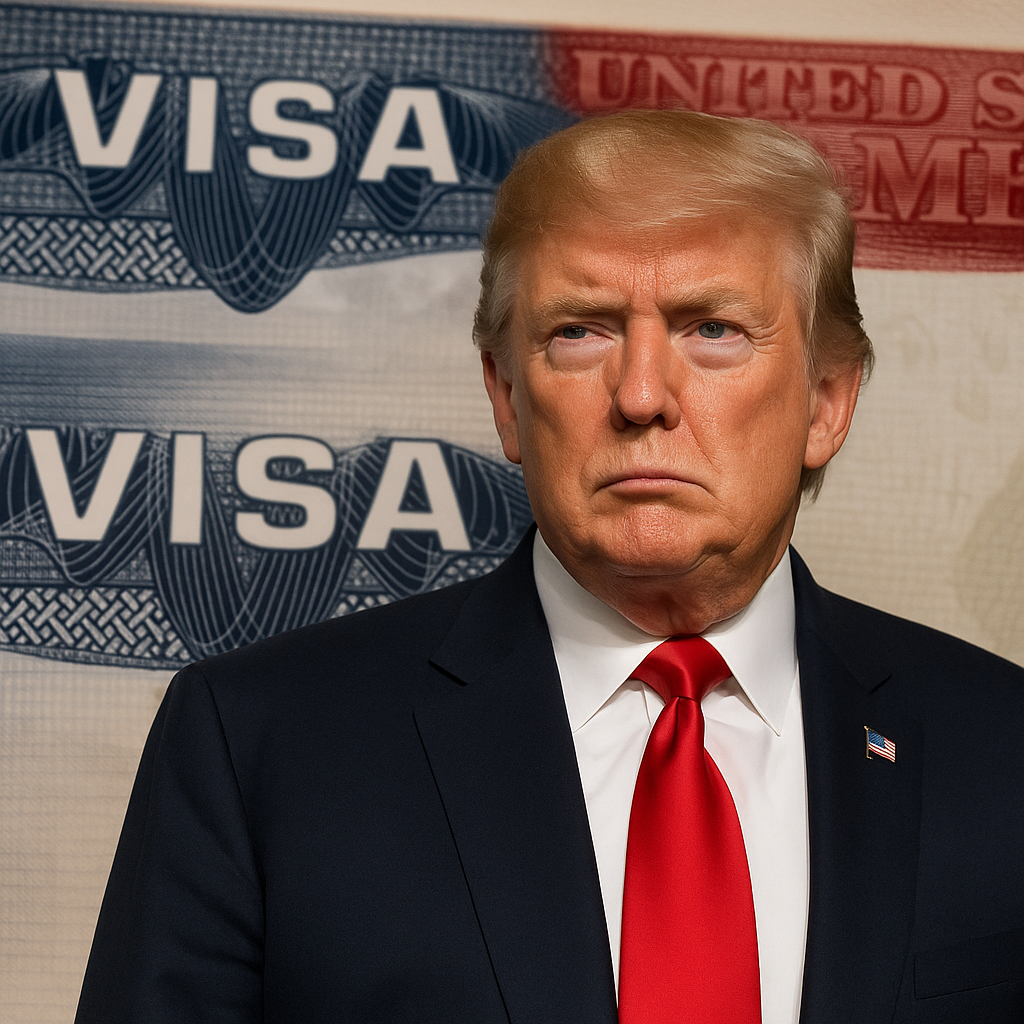
An internal State Department cable sent to U.S. diplomatic missions on Wednesday, June 18, 2025, announced the resumption of student visa processing after a suspension in May — but with unprecedented scrutiny of applicants’ social media activity.
The cable instructs U.S. consulates to conduct a “thorough and rigorous review” of all student visa applicants (F, M, and J categories), including exchange program participants, to identify any signs of “hostility toward U.S. citizens, culture, government, or foundational principles.”
Consular officers are directed to pay particular attention to applicants with a “history of political activism,” especially if linked to violence or anti-American sentiment, and to assess the likelihood of such views or activities continuing in the U.S.
Officials are also granted authority to request that applicants make their social media accounts public. Failure to comply, or refusal to adjust privacy settings, may result in visa denial.
These measures follow the May 27 decision to temporarily halt student visa appointments in order to expand digital screening protocols, which has since created a backlog of applications. The administration has justified the policy as a matter of “national security,” though critics have decried it as a violation of free speech rights.
In recent months, U.S. authorities have revoked the visas of hundreds of students, including those involved in pro-Palestinian protests, and have threatened to cut federal funding to universities like Harvard for failing to curb student political activity.
The new procedures build upon a 2019 policy requiring applicants to disclose social media accounts on visa forms, but now extend to mandatory screening of all applicants, including their posts and private messages.
The process is expected to slow visa issuance significantly, amid warnings it could deter international students — over 1.1 million of whom currently study in the U.S. and contribute substantially to the higher education economy.