










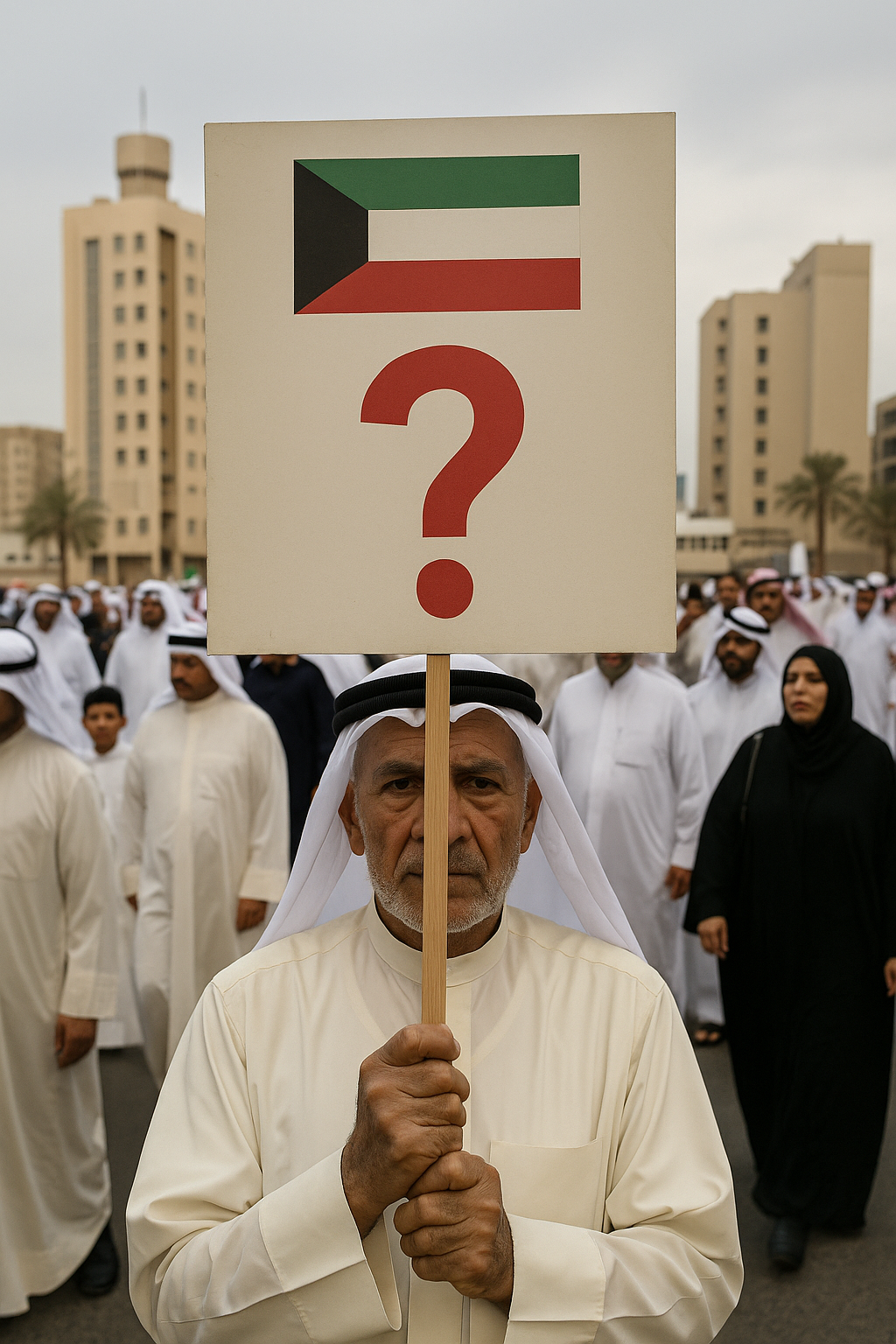
In a move described as unprecedented, Kuwaiti authorities have revoked the citizenship of tens of thousands of people, under a campaign titled “Clean Kuwait, Free of Impurities”, led by Emir Mishal Al-Ahmad Al-Jaber Al-Sabah.
■ Over 37,000 Affected
Reports confirm that over 37,000 individuals, including at least 26,000 women, have lost their Kuwaiti nationality. The campaign targeted:
- Foreign women who gained citizenship through marriage to Kuwaiti men;
- Cases involving forged documents or dual nationality;
- Citizens granted nationality under “exceptional merit,” including public figures like Nawal Al Kuwaitia and Dawood Hussein.
■ Legal Amendments and Restrictions
These actions coincide with sweeping amendments to the nationality law, abolishing automatic citizenship for foreign wives and tightening eligibility for children born to Kuwaiti mothers.
■ Official Justification: “Restore Kuwait to Its Original Citizens”
The Emir stated that the goal is to “restore Kuwait to its rightful people”, describing the effort as a matter of national sovereignty carried out within legal and humanitarian frameworks.
■ Rights Groups Raise Alarms
Human rights organizations have expressed serious concerns, labeling the campaign a “mass denationalization” with profound implications for citizenship rights, education, healthcare, employment, and mobility.
■ Political and Demographic Implications
Observers suggest the campaign could be part of a broader effort to redraw the political and demographic landscape, reducing voter numbers and reinforcing a narrower concept of national identity.
■ What Comes Next?
The issue remains highly contentious and is likely to dominate public discourse in Kuwait in the weeks and months ahead.