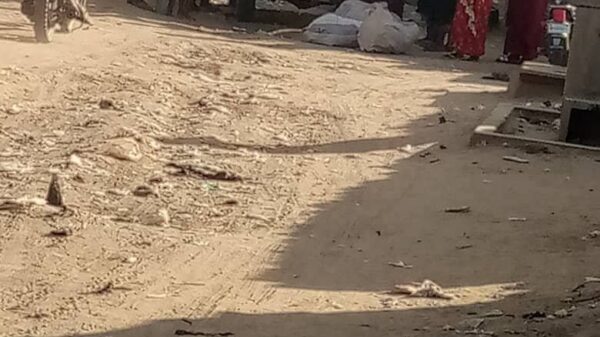



Mali’s capital Bamako is facing a severe diesel shortage that has crippled transportation strained electricity production and triggered sharp increases in food prices as militant attacks on supply routes combine with an extreme heatwave across the country.
Authorities say the crisis has forced the government to prioritize diesel supplies for electricity generation leaving most public fuel stations across Bamako nearly empty.
The state electricity utility EDM-SA has been granted priority access to incoming diesel shipments in an effort to prevent a collapse of the national power grid.
Officials say the decision comes as Mali endures a severe heatwave with temperatures reaching around 45 degrees Celsius in recent days.
The extreme conditions have sharply increased electricity demand as residents rely heavily on fans and cooling systems.
By diverting diesel to power plants the government aims to stabilize the national grid however the decision has left most fuel stations without supply.
Transport unions report that more than one hundred public transport vehicles have already been forced out of service this week due to the shortage.
The Sand Producers Association has also warned that trucks transporting construction materials are running out of fuel threatening to slow building projects and disrupt supply chains across the capital.
Fuel shortages have been intensified by security challenges along major supply corridors.
The militant group Jama’at Nusrat al-Islam wal-Muslimin an affiliate of Al Qaeda has been targeting fuel tankers and logistics routes connecting Mali with neighboring countries.
Since late last year militants have reportedly attacked or sabotaged trucks traveling from neighboring states that serve as key fuel supply routes into Mali.
According to the Malian Petroleum Importers Union the number of fuel tankers entering the country has dropped sharply.
Roughly two thousand trucks per month are currently reaching Mali compared with about six thousand per month before the crisis escalated.
The Malian military has begun escorting fuel convoys along high risk highways but officials say the limited number of escorts cannot meet the full fuel demand of the country.
The diesel shortage is already producing widespread economic consequences.
Transport costs have reportedly tripled in some regions driving a surge in the price of basic food staples.
Markets in Bamako and other cities have seen the prices of essential goods such as bread and rice rise sharply in recent weeks according to traders and local authorities.
The fuel crisis has also disrupted education nationwide.
Schools and universities were temporarily closed after administrators said they could not power facilities or maintain transportation services for students.
In an effort to stabilize electricity production Mali has turned to regional partners.
The Malian presidency confirmed a new agreement with a neighboring country to supply around 150 million liters of diesel specifically for EDM power stations.
However officials warn that delivering the fuel remains a logistical challenge because convoys must travel through areas affected by insurgent activity.
The crisis is unfolding during an intense heatwave.
The national meteorological service has issued an extreme heat alert expected to last several days advising residents to limit exposure to the sun and remain hydrated.
Humanitarian organizations are also adapting to the fuel shortage.
An international medical charity has transitioned several health centers to solar energy systems in order to reduce reliance on diesel generators.
Analysts warn that unless fuel imports stabilize and supply routes are secured the crisis could deepen further in the coming weeks.
With electricity generation transportation networks and food distribution all dependent on diesel Bamako’s current shortage illustrates how security instability and extreme climate conditions can rapidly combine to threaten urban infrastructure and economic stability across the Sahel.