









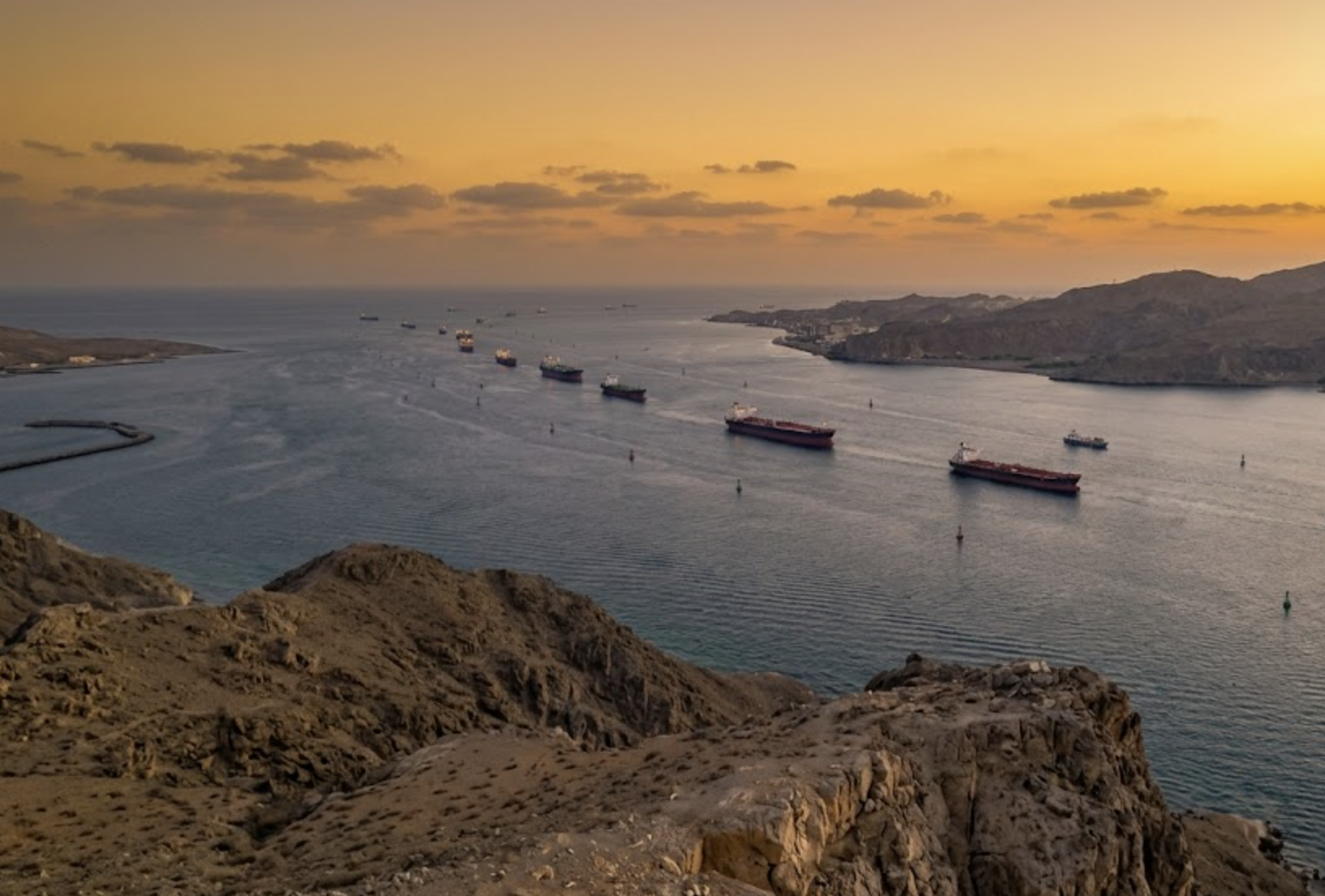
Diplomatic and military efforts are intensifying as Washington searches for a way out of the war with Iran. The discussions come amid progress towards a temporary agreement to reopen the Strait of Hormuz to commercial shipping, while Tehran seeks to demonstrate internal unity and defend negotiations with the United States.
Reuters quoted a US official as saying Washington expects Iran and Oman to reach an agreement on the strait soon, following progress in ongoing negotiations. The proposed deal would allow commercial vessels to pass without obstruction, while the United States would be prepared to lift its blockade of Iranian ports if Tehran fulfils its commitments.
According to ABC News, the proposed arrangement would remain in effect for 60 days. During that period, the parties would work towards a long-term agreement to reopen the strait fully while resuming negotiations over Iran’s nuclear programme.
However, disagreements remain over the proposed maritime arrangements. The administration of President Donald Trump is demanding unrestricted navigation through the Strait of Hormuz, without transit fees or requirements for vessels to obtain prior approval from Tehran. US officials have stressed that nothing is final until an official announcement is made.
The talks have gained urgency as disruptions continue along one of the world’s most important energy routes. US Central Command, CENTCOM, said it had redirected 51 commercial vessels and disabled two ships since the naval blockade of Iran resumed. Maritime traffic through the strait has meanwhile fallen sharply because of security risks and uncertainty surrounding the proposed arrangements.
US military questions prospects of a decisive outcome
The diplomatic efforts coincide with growing doubts within the US military over whether air strikes can force Iran to accept Washington’s conditions.
CNN cited informed sources as saying that Chairman of the Joint Chiefs of Staff General Dan Caine has been discussing a potential way out of the war with senior Trump administration officials. Caine reportedly warned that some of the proposed options for escalation could prove counterproductive.
According to the network, Caine said in private discussions that air power alone would probably not achieve the objectives announced by Trump, and that continued strikes were unlikely to compel Tehran to make the concessions demanded by Washington.
The chairman presented his assessment during meetings with senior officials, including the vice president, the secretary of state and the director of the Central Intelligence Agency. The discussions were intended to clarify the limits and risks of the military options available to the United States, amid concerns over depleted US munitions and the mounting military and political costs of the conflict.
The deliberations highlight the dilemma facing the Trump administration: continuing military pressure without a guarantee of a decisive outcome, or accepting an interim arrangement that could reopen the Strait of Hormuz and pave the way for renewed political and nuclear negotiations.
Pezeshkian defends negotiations
In Tehran, Iranian President Masoud Pezeshkian defended the previous memorandum of understanding with the United States against domestic critics who view it as a concession or defeat.
In a televised interview published by the Iranian presidency, Pezeshkian said 12 of the 13 members of Iran’s Supreme National Security Council had approved the memorandum. He said it was intended to end the war, lift the blockade, recover frozen Iranian assets and secure the removal of some sanctions.
Pezeshkian argued that describing the memorandum as a defeat served Israel’s interests. He questioned why Iran should continue fighting if it could recover its rights without surrendering or retreating.
The Iranian president also denied any disagreement between his government, Supreme Leader Mojtaba Khamenei and the armed forces. He said the country’s political, military and diplomatic institutions were pursuing a coordinated approach towards the war and negotiations.
His comments followed reports of divisions within Iran’s leadership over the management of the conflict and the response to US pressure. While acknowledging the existence of internal challenges and differing views, Pezeshkian accused Washington of trying to exploit the situation to portray the Iranian establishment as divided.
He also denied reports that he intended to resign, saying he would remain in office and continue defending negotiations as a means of ending the war and easing pressure on the country.
A temporary deal after the collapse of the previous understanding
The latest diplomatic effort follows a memorandum of understanding reached by Washington and Tehran in June. Its 14 provisions included a ceasefire, guarantees for maritime security in the Gulf and the Strait of Hormuz, the gradual lifting of sanctions, the release of frozen Iranian assets and negotiations over Iran’s nuclear programme under the supervision of the International Atomic Energy Agency.
The temporary arrangement collapsed in July following attacks on three ships in the Strait of Hormuz. The United States subsequently resumed strikes inside Iran and reimposed the blockade of Iranian ports, while Tehran escalated its operations across the region.
Washington is seeking to reopen the strait without recognising any Iranian right to impose fees or restrictions on passing vessels. Iran, for its part, wants to link the maritime arrangements to the lifting of the blockade, sanctions relief and the release of its frozen assets.
The latest developments suggest that the focus may be shifting gradually from attempts to secure a military victory towards an interim settlement. Its success, however, will depend on whether the two sides can bridge their differences over navigation in the Strait of Hormuz and turn a temporary agreement into broader negotiations covering the war, sanctions and Iran’s nuclear programme.