











This analytical report is based exclusively on official statements and publications issued by international and governmental institutions, including the United Nations (UN), the United States Central Command (CENTCOM), the International Atomic Energy Agency (IAEA), and the Islamic Republic News Agency (IRNA).
1. Military Situation and Operational Developments
Official statements indicate a significant escalation in direct military confrontations across the region.
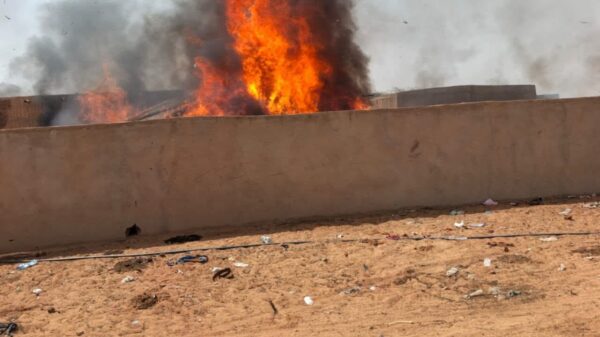
According to the United States Central Command (CENTCOM), US forces conducted successive precision air strikes targeting Iranian military command centers, air defense systems, missile and drone launch sites, and naval capabilities along Iran’s coastline.
On the Iranian side, President Masoud Pezeshkian, quoted by the official IRNA news agency, stated that Iran is engaged in what he described as a “comprehensive war,” warning of the regional consequences of continued military escalation.
Iranian authorities also announced retaliatory strikes against facilities in neighboring countries, including Bahrain and Kuwait, focusing on bases hosting US military forces.
2. Maritime Security and the Strait of Hormuz
Maritime security remains one of the most sensitive aspects of the current crisis.
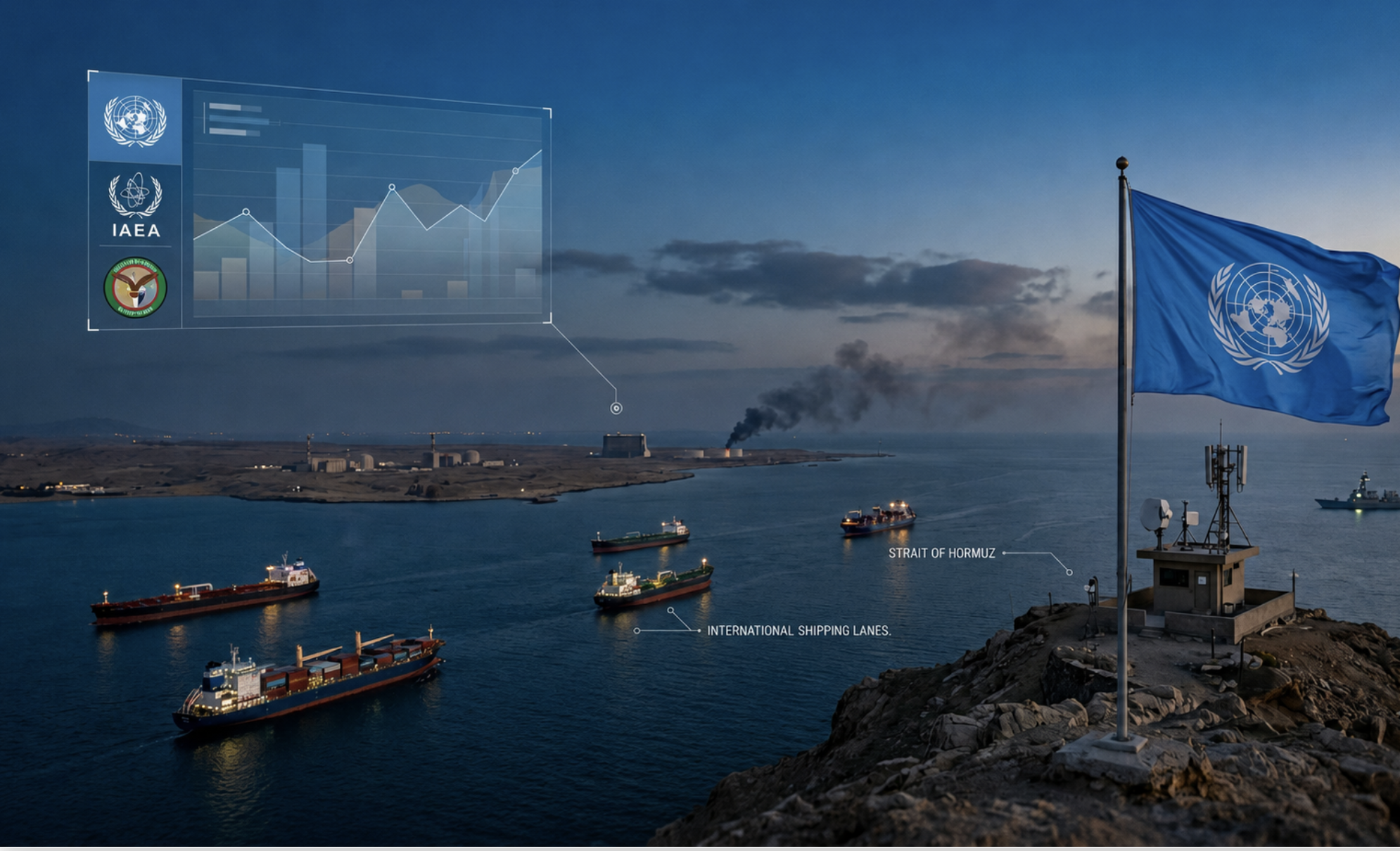
The United Nations expressed deep concern over severe disruptions to navigation through the Strait of Hormuz and the Red Sea. According to the UN, disruptions along these strategic waterways are affecting international shipping, global energy supplies, humanitarian assistance, and commercial trade.
US authorities also announced inspection and restriction measures targeting oil tankers traveling to and from Iranian ports as part of efforts to limit Iranian oil exports.
The UN further noted that maritime threats linked to Yemen’s Houthi movement continue to affect Red Sea shipping, increasing risks to international trade through the Bab al-Mandab Strait.
3. Nuclear Monitoring
According to reports issued by the International Atomic Energy Agency (IAEA), verification and monitoring activities inside Iranian nuclear facilities have been suspended under current conditions.
The Agency stated that it has lost continuity of knowledge regarding certain nuclear materials and equipment, limiting its ability to monitor Iran’s nuclear programme effectively.
The IAEA also expressed growing concern over Iran’s stockpile of uranium enriched to levels of up to 60 percent, as well as reported damage to parts of the country’s nuclear infrastructure resulting from the ongoing hostilities.
4. Diplomatic Measures and International Warnings
The US Department of State issued a worldwide security alert advising American citizens to leave Iran and exercise extreme caution when traveling throughout the Middle East due to the risk of sudden military escalation.
Meanwhile, the United Nations and other international actors continue to call for an immediate de-escalation, respect for international humanitarian law, and a return to diplomatic negotiations aimed at resolving both the maritime security crisis and the Iranian nuclear issue.
Conclusion
Official statements and reports issued during 2026 indicate that the region is facing one of its most serious strategic crises in recent years. Military escalation, disruption of global energy supply routes, and reduced international oversight of Iran’s nuclear programme have combined to heighten regional instability, while diplomatic efforts continue to focus on preventing a broader regional conflict.