











Africa is facing a troubling new Ebola outbreak that has prompted the World Health Organization (WHO) to declare a Public Health Emergency of International Concern (PHEIC).
Unlike previous outbreaks, the 2026 epidemic is driven by the rare Bundibugyo ebolavirus strain, for which no fully approved vaccine or targeted treatment currently exists.
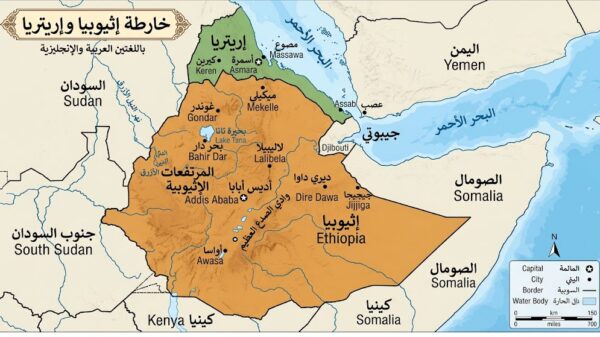
The Democratic Republic of Congo (DRC) remains the epicenter of the outbreak, while neighboring Uganda has reported imported and locally transmitted cases, raising regional concerns.
DRC Remains the Epicenter
According to the latest health data, the DRC has recorded 676 confirmed cases and 136 deaths, with the vast majority concentrated in Ituri Province.
Health officials face additional challenges due to insecurity, armed conflict, and difficulties accessing remote communities, complicating surveillance and contact-tracing efforts.
Cases have also been reported in Kinshasa and eastern provinces, increasing concerns about wider domestic spread.
Uganda on Alert
Uganda has confirmed 19 cases, including imported infections linked to the DRC outbreak and a smaller number of locally transmitted cases.
Although two deaths have been reported, health authorities have successfully monitored hundreds of contacts and have not detected new cases since early June.
Why Is This Outbreak Different?
The main concern stems from the fact that the outbreak is caused by the Bundibugyo strain of Ebola.
Existing vaccines, including Ervebo, were developed primarily against the Zaire ebolavirus strain and have not been fully validated for Bundibugyo infections.
As a result, one of the most effective tools used to contain previous outbreaks is currently unavailable, increasing uncertainty among health experts.
International Response
The WHO and Africa CDC have launched a joint response strategy extending through late 2026, aimed at strengthening surveillance, laboratory capacity, and emergency preparedness.
Scientific advisory groups are also evaluating experimental vaccines and therapies for potential field trials in affected regions.
Meanwhile, the European Union has deployed public health specialists to support outbreak monitoring and laboratory operations.
Global Risk Assessment
Despite the seriousness of the outbreak in Central Africa, health experts maintain that the global risk remains low.
Ebola is not an airborne virus and requires direct contact with bodily fluids from symptomatic patients for transmission.
However, ongoing conflict, population movement, and limited access to affected communities continue to pose major obstacles to containment efforts.