









The Nigerian government has commenced a voluntary repatriation process for its citizens residing in South Africa following a wave of anti-immigrant protests and growing security concerns in several major South African cities.
The initiative was confirmed by Nigeria’s Ministry of Foreign Affairs under the supervision of Minister of State for Foreign Affairs Bianca Odumegwu-Ojukwu. According to government officials, arrangements are currently being finalized to facilitate the safe return of Nigerians who wish to leave South Africa amid escalating tensions.
Officials disclosed that at least 130 Nigerians have already registered with the Nigerian mission in South Africa for the voluntary evacuation program, with authorities expecting the number to rise as the security situation develops.
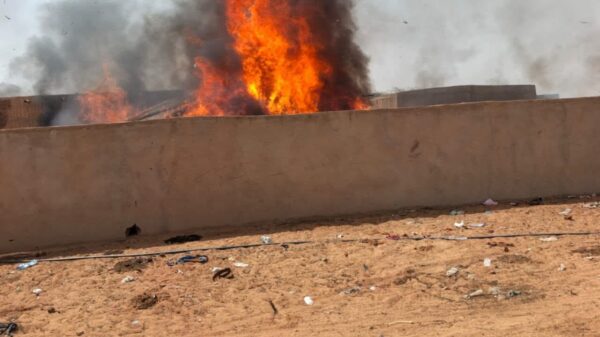
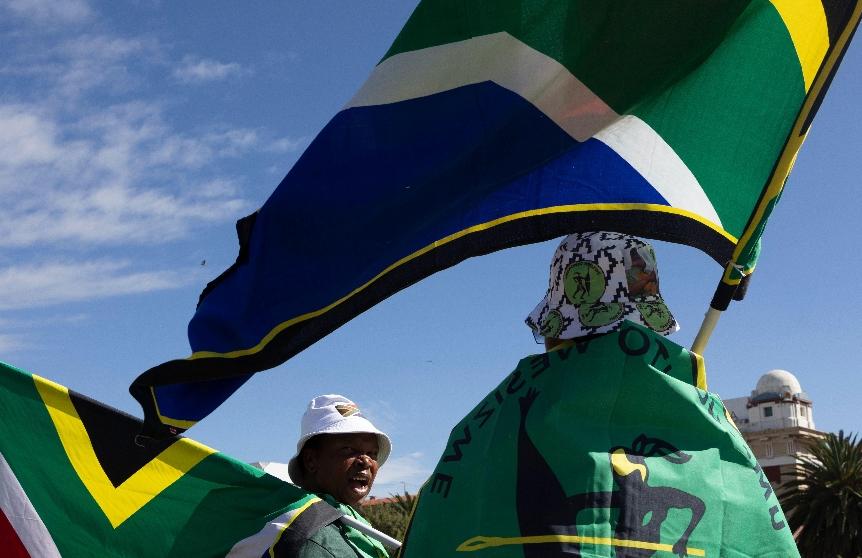
The move comes after demonstrations targeting undocumented migrants and foreign nationals erupted in parts of Pretoria and Johannesburg between April 27 and April 29. Protesters reportedly accused foreign nationals of contributing to unemployment, crime, and economic pressure, sparking fears of renewed xenophobic violence.
In response, Nigerian President Bola Tinubu directed relevant agencies and diplomatic missions to closely monitor developments and prioritize the safety of Nigerian citizens abroad. The Nigerian government has also summoned the South African Acting High Commissioner to formally express concerns over the security of Nigerians living in the country.
The Nigerian Citizens Association in South Africa (NICASA), led by Frank Onyekwelu, has been working alongside the Nigerian Consulate to coordinate communication with affected communities and support voluntary repatriation efforts. The organization has advised Nigerians in vulnerable areas to remain vigilant and avoid locations where demonstrations may occur.
Some Nigerian-owned businesses in high-risk areas have reportedly suspended operations temporarily as a precautionary measure.
South African authorities continue to monitor the situation amid warnings that additional protests could take place between May 4 and May 8. President Cyril Ramaphosa acknowledged public frustrations surrounding immigration and labor concerns but urged citizens to pursue lawful and peaceful channels rather than violence or intimidation.
Diplomatic engagement between Nigeria and South Africa remains ongoing as both governments seek to prevent further escalation and ensure the protection of foreign nationals during the period of heightened tension.
The latest developments have revived memories of previous xenophobic attacks in South Africa that have periodically strained relations between Africa’s two largest economies and raised broader concerns about migrant safety across the region.