







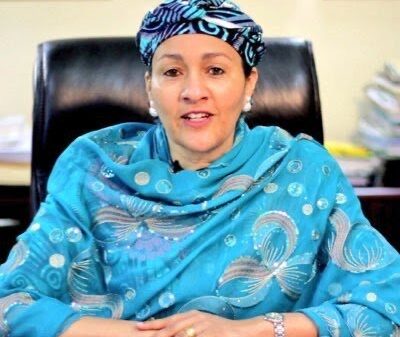
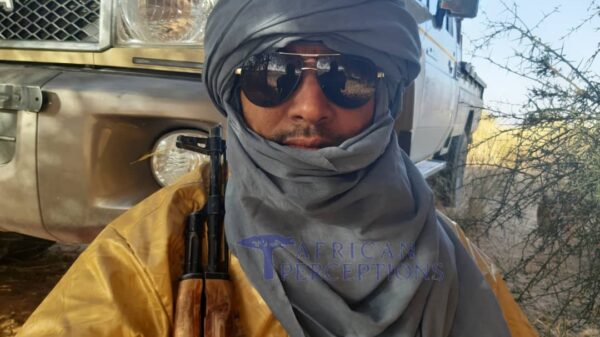


A criminal court in Nouakchott has sentenced two opposition parliamentarians to four years in prison in a case that has intensified international attention on the country’s human rights record, racial inequalities, and the enduring legacy of slavery.
Lawmakers Marieme Cheikh Dieng and Ghamou Achour were convicted on charges of “attacking the symbols of the state” and “calling for gatherings with a view to undermine public security,” according to defense lawyers.
The charges stemmed from social media posts in which the two members of parliament criticized President Mohamed Ould Ghazouani and alleged that Mauritania’s judicial system is dominated by an Arab elite that marginalizes Black citizens and descendants of enslaved communities.
As of now, the Mauritanian government has not issued an official public statement regarding the convictions.
The sentencing has prompted renewed debate over political freedoms and racial discrimination in Mauritania, which formally abolished slavery in 1981. Despite legal abolition, international rights organizations continue to report that hereditary slavery and related forms of exploitation persist.
According to the 2023 Global Slavery Index, an estimated 149,000 people in Mauritania were living under conditions of modern slavery in 2021, including forced labor and forced marriage. With a population of roughly 4.7 million, the country ranks among those with the highest prevalence rates globally.
Human rights organizations, including Amnesty International and the United States Department of State, have repeatedly documented what they describe as entrenched structural discrimination affecting Haratines as well as other Afro-Mauritanian communities.
Although Mauritanian authorities have introduced measures aimed at combating hereditary slavery, including specialized courts, critics argue that enforcement remains inconsistent due to limited resources and insufficient institutional support.
Rights activists have also accused authorities of targeting anti-slavery campaigners and dissidents through arrests and legal pressure.
Dieng and Achour are affiliated with the Initiative for the Resurgence of the Abolitionist Movement (IRA), led by Biram Dah Abeid, a prominent figure advocating against slavery and racial discrimination.
Although the movement is not officially recognized as a political party, it has expanded its influence through political alliances, enabling affiliated candidates to secure seats in parliament.
Biram Dah Abeid has condemned the prosecution as politically motivated and part of a broader effort to silence critics of the government.
The verdict comes amid increasing international scrutiny of civil liberties and governance in Mauritania, where issues of race, identity, and slavery remain highly sensitive.
Observers say the case could further strain relations between authorities and civil society organizations advocating for greater inclusion and stronger protections for marginalized communities.