










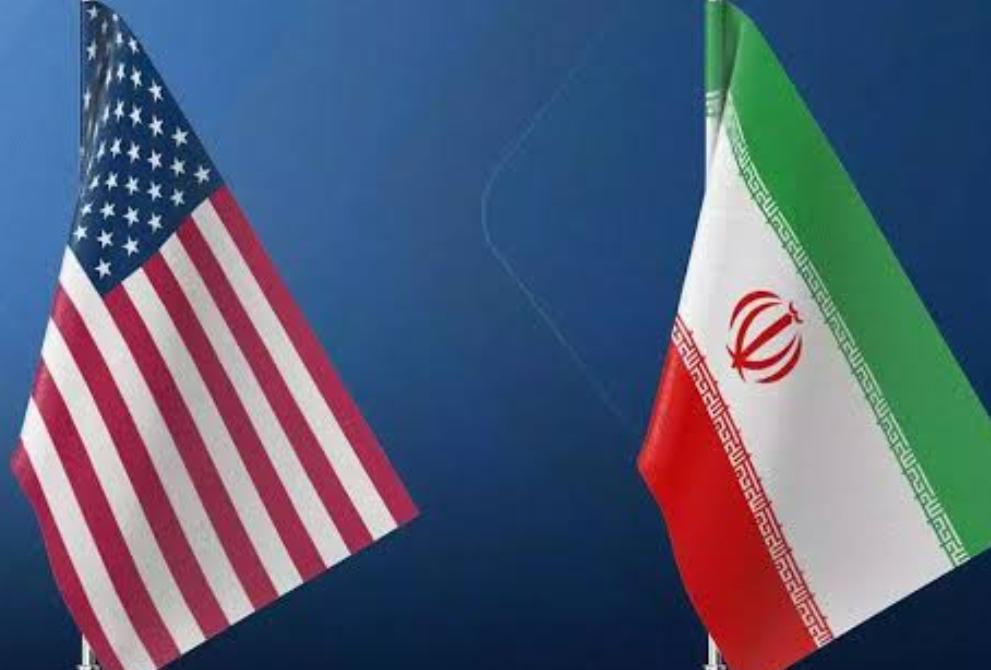
Diplomatic negotiations between Iran and the United States, mediated through Pakistan, have entered a decisive phase as Tehran presses a sweeping 14-point proposal aimed at transforming the fragile April ceasefire into a permanent political settlement.
The proposal comes amid continued regional instability following weeks of direct and proxy confrontations involving Iran, the United States, and Israel. Although active large-scale hostilities have declined since the ceasefire took effect on April 8, tensions remain elevated across the Gulf and the wider Middle East.
According to reports from multiple international media outlets and regional observers, the Iranian proposal combines military, political, and economic demands that Tehran argues are necessary to ensure long-term stability and prevent renewed conflict.
Core Demands in Iran’s Proposal
Central to the proposal is a call for a comprehensive cessation of hostilities across all fronts linked to the conflict, including operations involving allied armed groups in Lebanon and surrounding regions.
Iran is also seeking formal security guarantees against future military action by either the United States or Israel. Iranian officials reportedly insist that any agreement lacking enforceable guarantees would be viewed domestically as unreliable and strategically insufficient.
Another major component involves the repositioning of US military forces operating near Iranian territory. Tehran has demanded a reduction or withdrawal of American assets from areas it considers immediate strategic pressure zones.
Economic measures form a substantial portion of the negotiations. Iran is requesting the removal of longstanding sanctions and the release of billions of dollars in frozen Iranian assets. Iranian negotiators argue that economic normalization is essential for sustaining any diplomatic agreement.
The proposal additionally calls for the creation of a new governance and security framework for the Strait of Hormuz, one of the world’s most strategically significant maritime corridors. Iran continues to maintain restrictions and operational control measures in the waterway following the conflict escalation earlier this year.
Tehran has also reportedly requested reparations for damage sustained during the war, a demand likely to face strong resistance from Washington and its allies.
Major Obstacles Remain
Despite ongoing diplomatic engagement, negotiators remain divided on several core issues that analysts describe as potentially irreconcilable without major concessions.
The most significant disagreement concerns Iran’s nuclear program. Tehran maintains that uranium enrichment remains a sovereign right under the Nuclear Non-Proliferation Treaty and argues that the issue should remain separate from wartime negotiations.
The US position, however, remains considerably harder. The Trump administration has reportedly continued to characterize Iran’s enrichment infrastructure as a “red line,” insisting on dismantlement measures and strict limitations on Iran’s nuclear capabilities.
Control of the Strait of Hormuz represents another major fault line. Iran views the waterway as both a strategic deterrent and a negotiating asset, while Washington continues to demand the unconditional restoration of maritime navigation in order to stabilize global energy markets and protect commercial shipping routes.
Underlying all discussions is a deep deficit of trust between the parties. Iranian negotiators reportedly seek immediate sanctions relief and binding assurances, while US officials remain skeptical that Tehran’s proposal adequately addresses long-term security concerns.
Military Tensions Persist Despite Ceasefire
Although direct combat operations have largely paused, military activity throughout the region remains intense.
The Islamic Revolutionary Guard Corps is reported to remain on full operational standby, while the United States continues extensive naval deployments in and around the Gulf. American officials have repeatedly warned that military action remains possible if the ceasefire collapses or if Iran resumes what Washington describes as destabilizing behavior.
The ongoing closure and disruption of the Strait of Hormuz continues to affect global oil and gas markets, contributing to elevated energy prices and renewed concerns over supply chain stability.
Regional governments are closely monitoring the negotiations, aware that failure could trigger another cycle of escalation with consequences extending far beyond the Middle East.
Pressure Mounts Ahead of Proposed Deadline
Iran has reportedly proposed a 30-day timeline for concluding negotiations, increasing pressure on Washington and its allies to decide whether a compromise framework is achievable.
Diplomatic analysts say neither side appears eager to fully abandon talks, largely because renewed conflict would carry enormous military and economic risks. However, they caution that the current negotiations remain vulnerable to collapse due to entrenched disagreements over nuclear policy, regional security arrangements, and maritime control.
For now, the negotiations represent a narrow diplomatic opening in a conflict that has already reshaped regional security dynamics and global energy markets. Whether the talks produce a durable settlement or merely delay another confrontation may depend on the willingness of all parties to compromise on issues they continue to define as existential.