








High-level negotiations between the United States and Iran concluded in Islamabad without a formal agreement, highlighting the enduring strategic divide between the two sides despite renewed direct engagement for the first time since the 1979 Islamic Revolution.
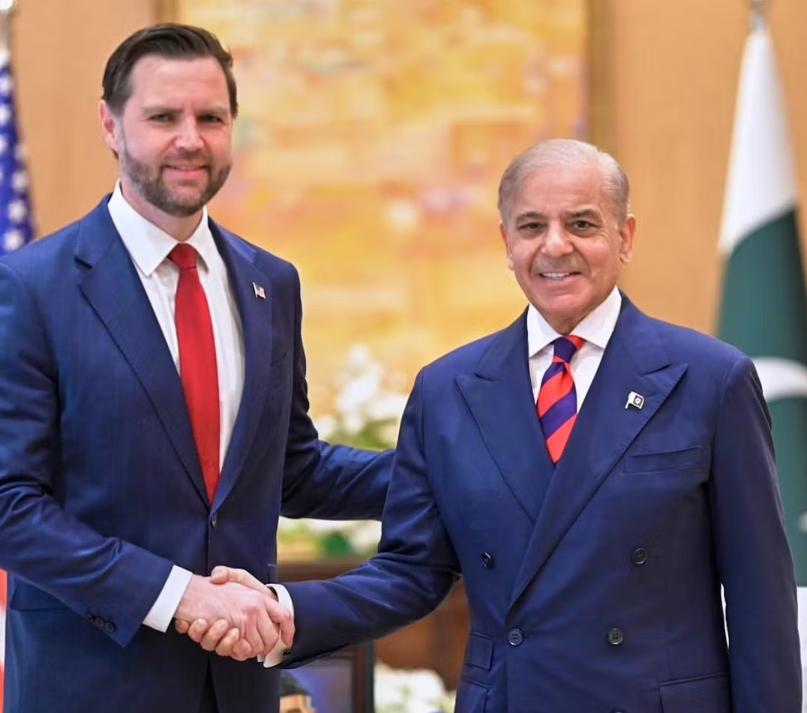
The marathon session, lasting approximately 21 hours, brought together senior officials led by U.S. Vice President JD Vance and representatives of the Iranian government. While expectations for a comprehensive deal were limited, the outcome underscored both the complexity of the issues and the depth of mutual distrust.
Diverging positions
U.S. officials stated that Washington presented what it described as its “final and best offer,” centered on strict measures to curb Iran’s nuclear capabilities. The proposal reportedly extended beyond traditional non-proliferation terms, requiring Iran to abandon not only nuclear weapons development but also dual-use technologies that could enable such capabilities.
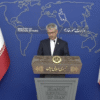
Iran rejected the proposal, arguing that the scope of U.S. demands exceeded acceptable limits. Iranian Foreign Ministry spokesperson Esmaeil Baghaei said a single round of talks was not expected to produce a comprehensive agreement and reaffirmed Tehran’s readiness to continue discussions through indirect channels and third-party mediation.
Pakistan’s mediation role
Pakistan played a central role in facilitating the talks, with Foreign Minister Ishaq Dar urging both sides to sustain dialogue and preserve the fragile ceasefire currently in place. Islamabad’s involvement reflects its growing position as a neutral intermediary in regional diplomacy.
Key unresolved issues
Negotiators encountered major obstacles across several areas:
Nuclear program scope: The United States is seeking broader guarantees, particularly regarding uranium enrichment and dual-use technologies.
Strait of Hormuz: Disputes persist over navigation rights and control of the strategic waterway amid rising naval tensions.
Regional security: Discussions extended to broader regional conflicts, with over 2,000 casualties reported since February 2026.
Fragile ceasefire
The talks took place against the backdrop of a fragile ceasefire that began on April 7. While direct escalation has been avoided, military activity continues in the region, including Israeli strikes in southern Lebanon.
Outlook
Despite the lack of a breakthrough, both sides signaled that diplomatic engagement will continue. Analysts suggest that progress will likely require sustained, incremental negotiations rather than a single comprehensive deal.
For now, the Islamabad talks represent a cautious reopening of dialogue in one of the world’s most complex geopolitical rivalries.