














A deadly incident off the coast of Tobruk in eastern Libya has once again highlighted the extreme risks faced by migrants attempting to cross the Central Mediterranean.
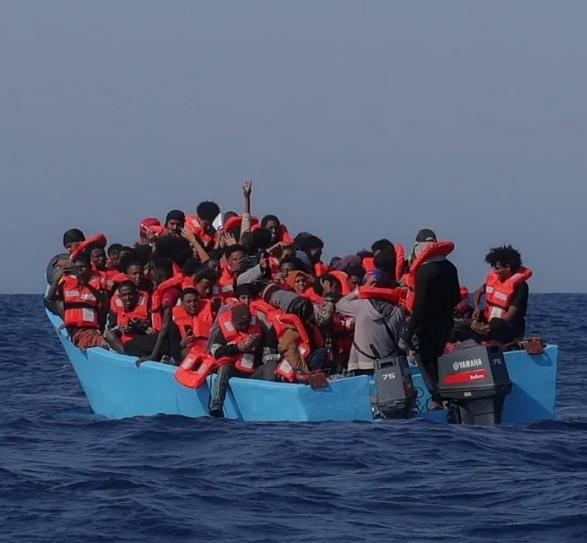
According to humanitarian agencies and local authorities, at least 10 people have died and 31 remain missing after a rubber boat carrying dozens of migrants capsized shortly after departure for Europe.
The vessel was reportedly overcrowded, a common factor in maritime disasters linked to smuggling networks along the Libyan coast.
In a rare survival case, four individuals from Egypt and Sudan were rescued after spending more than five days adrift at sea following the incident.
Six bodies were recovered along the shoreline near Tobruk, while search and rescue operations continue, although hopes of finding additional survivors are fading.
Humanitarian responders say the incident reflects a shift in smuggling routes toward eastern Libya, as increased patrols in western areas push operations into regions with more limited rescue capacity.
The Libyan Red Crescent has called for urgent support, citing shortages in equipment and personnel needed to respond effectively.
Libya remains a major transit hub for migrants heading toward Europe, with large numbers currently present across the country.
Thousands have also been intercepted at sea and returned to Libya this year, raising ongoing humanitarian concerns.
Since the beginning of 2026, more than 1,300 people have died or gone missing along the Central Mediterranean route, reinforcing its status as the world’s deadliest migration corridor.
Migrants undertaking the journey come from multiple countries, driven by conflict, economic hardship, and limited legal migration pathways.
International organizations continue to call for coordinated action to improve rescue efforts and address the root causes of migration.