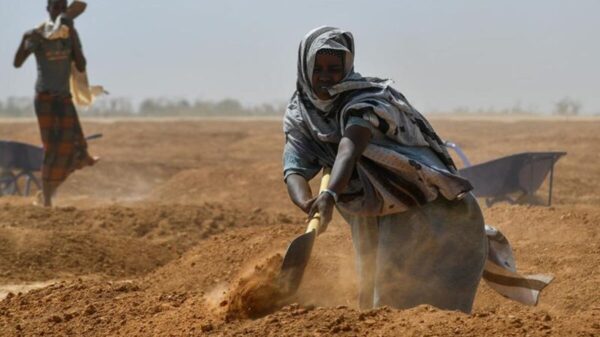











The conflict in Sudan has entered its fourth year amid an unprecedented escalation in the humanitarian crisis, with new data from international organizations confirming widespread famine, mass displacement, and the near-total collapse of essential services.
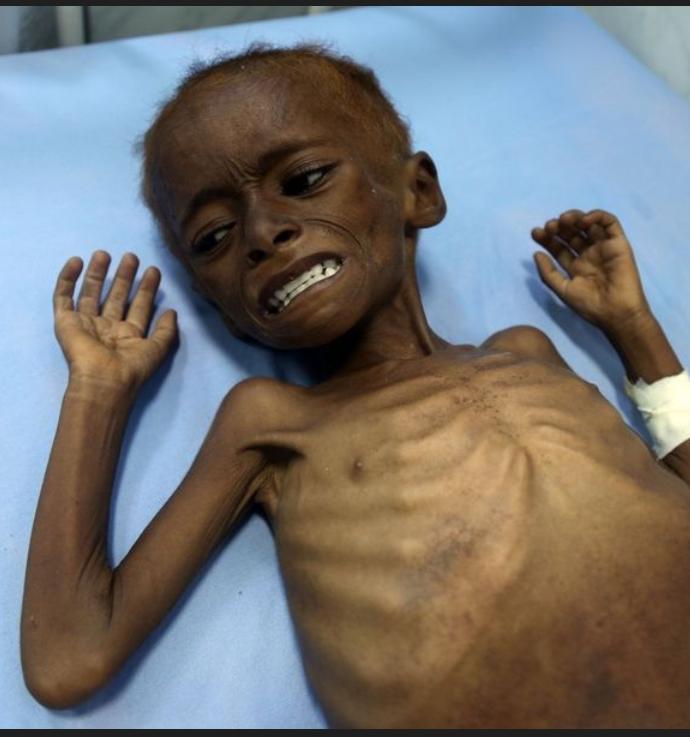
An estimated 24.6 million people nearly half the population are facing acute food insecurity, making it one of the most severe hunger crises globally.
Famine conditions classified as IPC Phase 5, the most extreme level, have been confirmed in key areas including El Fasher and Kadugli, while other regions such as Um Baru and Kernoi have exceeded famine thresholds, signaling a rapidly expanding crisis.
In the worst-affected areas, survival strategies have become increasingly desperate, with families relying on a single daily meal and some resorting to consuming animal feed, leaves, and other non-traditional food sources.
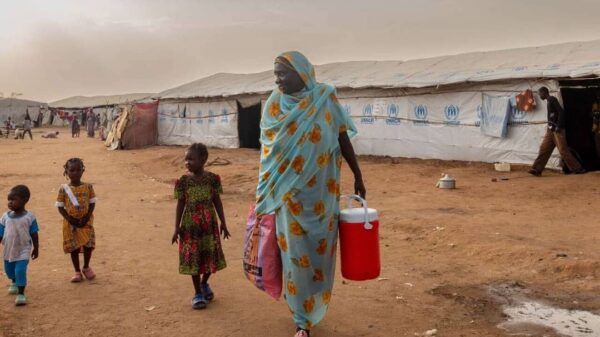
The conflict has triggered the largest displacement crisis in the world, with more than 12 million people forced from their homes, including approximately 9.5 million internally displaced persons and over 3 million refugees in neighboring countries.
Casualty figures remain difficult to verify due to ongoing violence and limited access, but recent estimates suggest the death toll may exceed 150,000, compared to earlier figures of around 30,000 by late 2024.
Sudan’s healthcare system has largely collapsed, with more than 70 percent of health facilities in conflict zones no longer operational, leaving millions without access to basic medical services.
The breakdown of the health system has contributed to the spread of disease outbreaks, including cholera, which has now been reported across all states. Aid agencies warn that the combination of malnutrition, displacement, and limited healthcare access could further increase mortality rates.
Humanitarian operations face severe constraints due to ongoing fighting and disrupted transport and supply networks, limiting access to affected populations and worsening shortages of food and services.
According to the 2026 Humanitarian Needs and Response Plan, more than 33 million people over two-thirds of the population require urgent assistance.
Analysts caution that current figures are likely underestimates due to the difficulty of data collection in active conflict zones, as international organizations continue to call for increased funding, improved access, and intensified diplomatic efforts to address the crisis.