






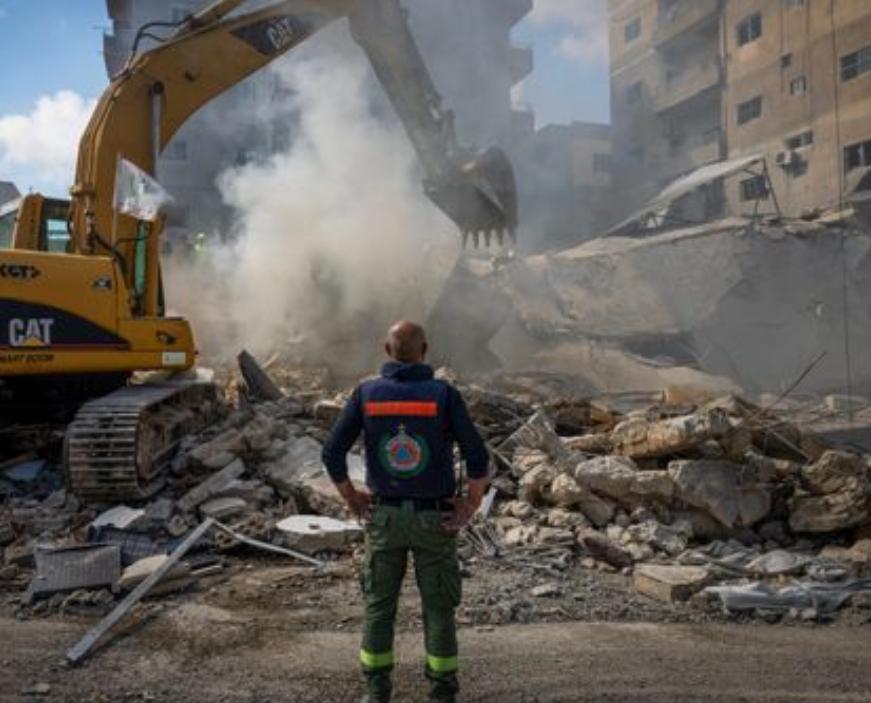
Lebanon has declared a national day of mourning after more than 200 people were killed and over 1,000 injured in a sharp escalation of strikes, raising serious doubts about the stability of the U.S.–Iran ceasefire framework.
The Ministry of Public Health confirmed that at least 203 people were killed in nationwide strikes on April 8, including four members of the Lebanese Armed Forces, highlighting the widening scope of the conflict.
Prime Minister Nawaf Salam declared Thursday a national day of mourning, with public institutions closed and flags lowered to half-staff. He described the victims as “innocent, defenseless civilians,” emphasizing the growing humanitarian toll.
Targeted Strike in Beirut
The Israel Defense Forces confirmed a targeted strike in Beirut that killed Ali Yusuf Harshi, identified as a close adviser and personal secretary to Hezbollah leader Hassan Nasrallah.
Israel said Harshi played a key role in managing and securing the leader’s office, while Hezbollah has not officially commented.
The IDF also reported strikes on two crossings over the Litani River, alleging their use for weapons transport and attacks.
Ceasefire Dispute Deepens
The escalation has exposed divisions over the scope of the U.S.–Iran ceasefire.
U.S. President Donald Trump and Israeli Prime Minister Benjamin Netanyahu said the truce does not apply to Lebanon, framing operations there as separate.
Iranian and Lebanese officials disagree, arguing continued strikes undermine diplomacy. Iranian Parliament Speaker Mohammad Bagher Ghalibaf warned the attacks could derail negotiations.
Lebanese authorities and Hezbollah insist any meaningful ceasefire must include Lebanon.
International Reaction and Ongoing Strikes
France condemned the scale of the strikes, warning that mass casualties threaten the fragile agreement.
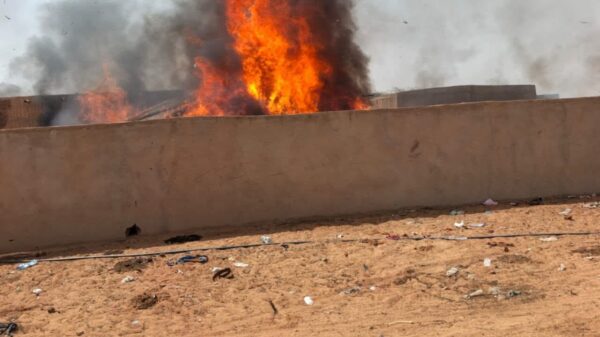
Strikes continued on April 9, with at least seven people killed in Abbassiyeh and additional attacks reported in Kafra, Majdal Selm, and Deir Antar, according to the National News Agency.
Outlook
With violence ongoing and political divisions widening, Lebanon faces mounting humanitarian pressure, while the durability of diplomatic efforts remains uncertain.