






The conflict in Lebanon has entered a more dangerous phase with intensified Israeli airstrikes and expanding ground fighting in the south amid a wider regional war.
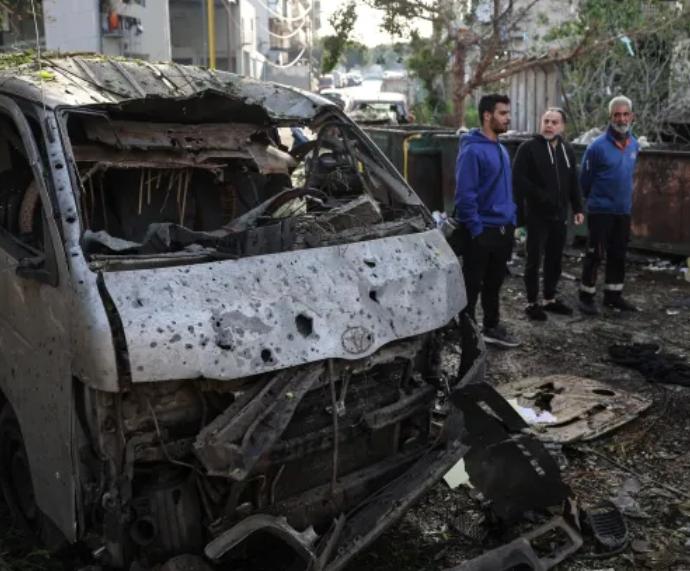
Lebanon’s health ministry reported casualties from strikes in and around Beirut including an attack in Jnah that killed five people and injured more than twenty near a shelter for displaced civilians.
A separate strike in Khaldeh south of the capital killed two people and injured three as part of a broader aerial campaign affecting densely populated areas.
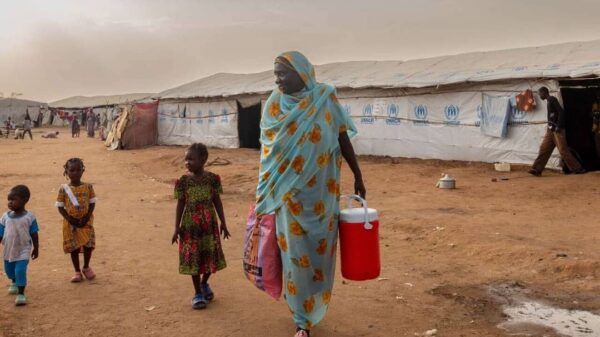
Since the escalation began more than 1200 people have been killed and over one million displaced highlighting a rapidly worsening humanitarian crisis.
Heavy fighting is ongoing in southern Lebanon between Hezbollah and Israeli forces with reports of direct clashes near the border.
Rocket fire from Lebanon into northern Israel has increased while Israel continues airstrikes and ground operations.
UN peacekeepers have been killed raising concerns about the safety of international forces.
Israel has outlined plans to establish a buffer zone up to the Litani River potentially leading to large scale displacement.
The Lebanese government has taken steps to limit military activity but Hezbollah continues operations.
The conflict is linked to wider regional escalation including ongoing strikes in Iran.
Analysts warn that multiple active fronts and stalled diplomacy increase the risk of broader war.
The coming days will be critical in determining whether escalation continues or stabilizes.