










Authorities have reopened key religious sites in Jerusalem after a 40-day closure, marking a cautious step toward normalcy amid a fragile ceasefire in the region.
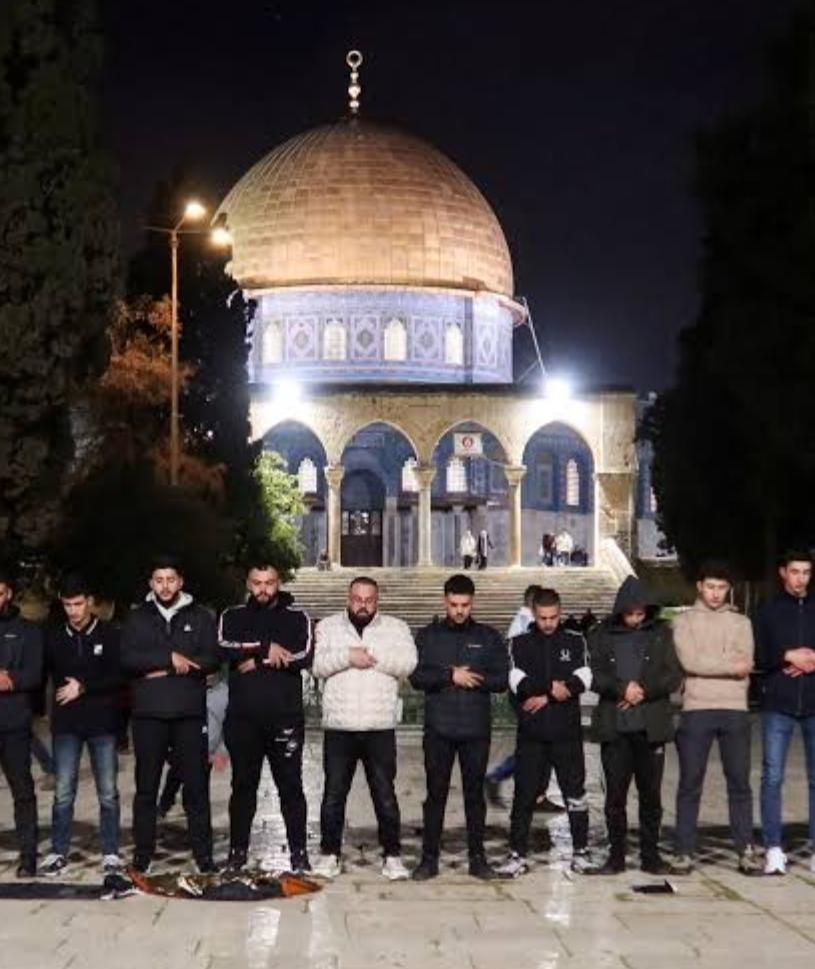
The Al-Aqsa Mosque compound reopened early Thursday, with the Islamic Waqf reporting that around 3,000 worshippers attended dawn prayers. The site had been closed since February 28, preventing access during Ramadan and leading to the unprecedented suspension of Eid al-Fitr prayers for the first time since 1967.
At the same time, Israeli authorities announced the reopening of the Church of the Holy Sepulchre, as preparations continue for Orthodox Easter celebrations scheduled for Sunday.
The Israel Police said the decision followed updated directives from the Home Front Command after the recently brokered two-week ceasefire between the United States and Iran, allowing a controlled easing of restrictions.
Security measures remain extensive, with hundreds of police officers and Border Police deployed across the Old City and surrounding access points to manage crowds and maintain order.
Tensions persist elsewhere. The Israel Defense Forces confirmed a fatal shooting near the West Bank village of Tayasir, where an off-duty soldier opened fire during a confrontation involving stone-throwing that reportedly injured an Israeli civilian.
Israeli Prime Minister Benjamin Netanyahu emphasized that the ceasefire with Iran does not apply to Lebanon, where Israeli operations continue, including strikes targeting areas in southern Lebanon such as Tyre.
On the diplomatic front, Jordanian Ministry of Foreign Affairs reiterated that the Jerusalem Awqaf remains the sole authority responsible for administering the Al-Aqsa compound, calling for the preservation of the historical status quo.
The reopening reflects a limited easing of restrictions, but ongoing regional tensions and localized incidents underscore the fragility of the current situation.