











A wave of Iranian drone and missile attacks targeting critical civilian and energy infrastructure across Gulf states has intensified regional tensions and raised concerns over broader escalation.
Official statements indicate that multiple Gulf Cooperation Council countries were affected despite maintaining a cautious stance since the conflict began.
Kuwait faced some of the most serious impacts particularly in the water and electricity sectors.
Two major power and desalination plants were damaged forcing generating units offline.
Authorities noted that around ninety percent of Kuwait’s drinking water relies on desalination making the strikes a direct threat to water security.
Emergency plans were activated to stabilize supply and prevent widespread outages.
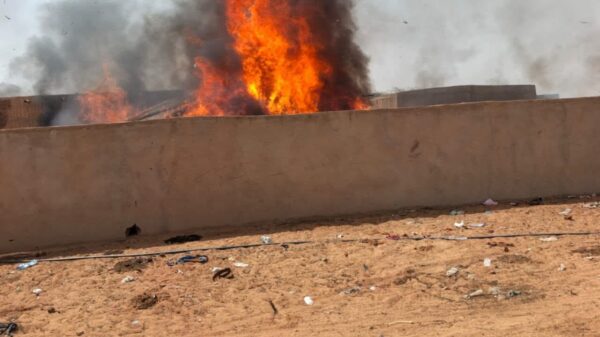
Additional drone strikes caused a fire in an oil sector complex and damage to a government facility in the capital.
In Bahrain strikes hit key energy infrastructure including oil storage facilities triggering fires that were later contained.
Industrial petrochemical units were also damaged with full assessments still ongoing.
The United Arab Emirates and Saudi Arabia reported intercepting most incoming threats though falling debris caused localized damage including fires at an industrial facility.
Saudi Arabia confirmed intercepting a cruise missile and emphasized its right to self defense signaling a firmer stance.
The attacks prompted increased diplomatic activity with Gulf officials briefing the United Nations Security Council.
The council condemned the strikes and called for accountability reflecting growing international concern.
Iranian media maintains that the attacks target US military assets but Gulf states question this claim given the damage to civilian infrastructure.
No civilian fatalities have been confirmed but authorities warn that broader consequences are still unfolding.
The region now faces uncertainty over whether the situation will escalate further or shift toward diplomatic resolution.