










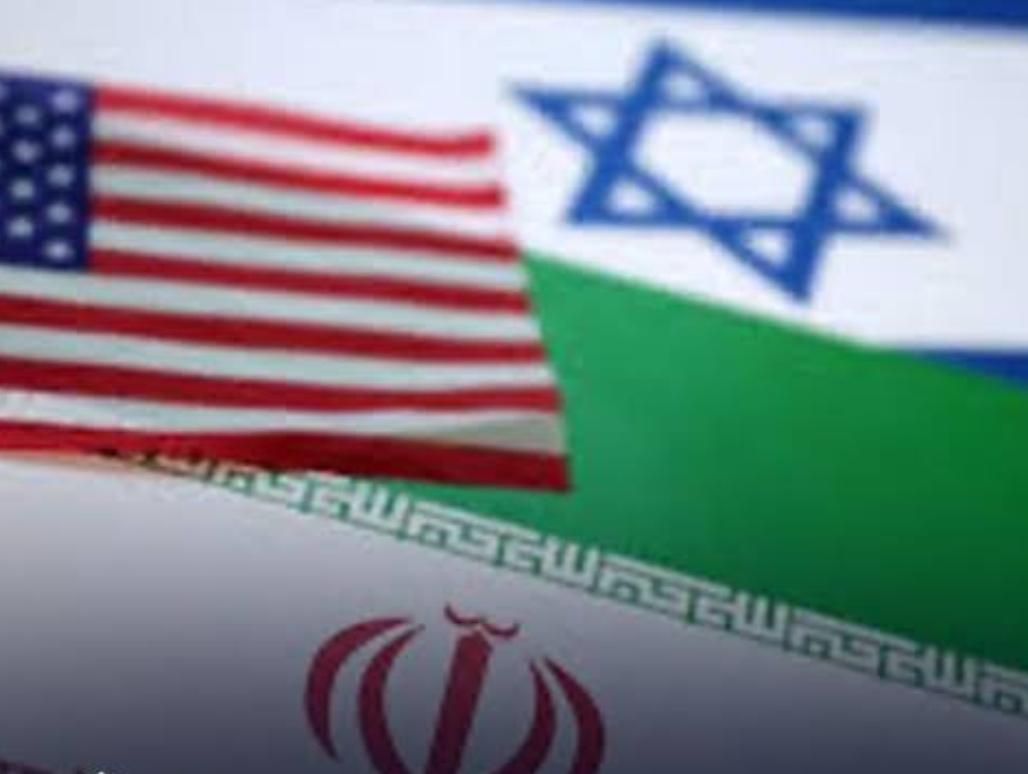
The fragile ceasefire between the United States and Iran is entering a critical final 24-hour window, raising fears of a breakdown in diplomacy and a return to military confrontation.
The two-week truce, which began on April 8, is set to expire on April 22, with uncertainty over whether it will be extended.
Planned talks in Islamabad remain uncertain, as Iran has not confirmed its participation and has signaled reluctance to negotiate under increasing military pressure.
Tehran’s position suggests cautious openness to dialogue, but with complex conditions tied to sovereignty and security guarantees.
Tensions have intensified following the interception of an Iranian vessel in the Gulf of Oman by U.S. forces, a move Tehran has condemned as a violation of the ceasefire.
Public statements from both sides reflect escalating rhetoric, with Washington warning of military consequences if talks fail, while Iran has indicated readiness to respond if necessary.
Key disputes remain unresolved, including navigation rights in the Strait of Hormuz, Iran’s nuclear program, sanctions, and the ongoing naval blockade.
Economic impacts are already emerging, with oil prices rising amid fears of supply disruption, alongside indirect effects on regional and global industries.
Humanitarian concerns are also growing, as economic pressures and internal restrictions continue to affect conditions inside Iran.
Regional mediators describe the situation as highly sensitive, emphasizing the urgency of extending the ceasefire to avoid renewed large-scale conflict.
Without a breakthrough, the risk of escalation appears increasingly likely, with significant implications for global security and stability.