











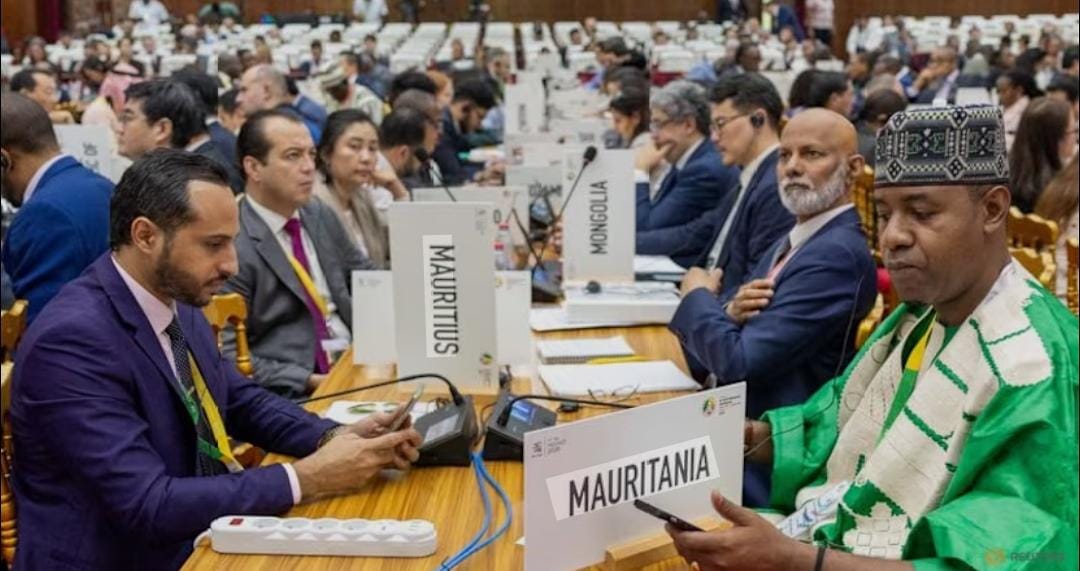
The WTO ministerial conference ended without agreement highlighting deep divisions in the global trading system and raising concerns about the future of multilateral trade governance.
Delegates failed to reach consensus on key issues as geopolitical tensions hardened national positions and limited room for compromise.
The most significant outcome was the expiration of the long standing moratorium on customs duties for digital trade which had been in place since 1998.
Developed economies pushed for a permanent extension while developing countries opposed arguing it restricts policy space and revenue opportunities.
The breakdown in digital trade talks triggered wider failures across negotiations including intellectual property rules and efforts to reform the WTO dispute settlement system.
Talks on fisheries subsidies also stalled with developing nations warning of negative impacts on small scale fishing communities.
Officials and analysts expressed disappointment noting the outcome comes at a fragile moment for the global economy.
Geopolitical tensions have contributed to a more defensive approach among countries with growing emphasis on national economic security.
Negotiations are expected to resume in Geneva though no clear timeline has been set.
Analysts warn the deadlock raises serious questions about the WTO’s ability to adapt to evolving global trade challenges.