










The United States has extended its deadline for potential strikes on Iranian energy infrastructure by ten days as the conflict intensifies with rising civilian casualties and growing global economic pressure.
The move is presented as an opportunity for diplomacy although sharp differences remain with Iran denying the existence of direct negotiations.
Diplomatic efforts focus on proposals related to reopening the Strait of Hormuz and limiting certain military capabilities but no clear progress has been confirmed.
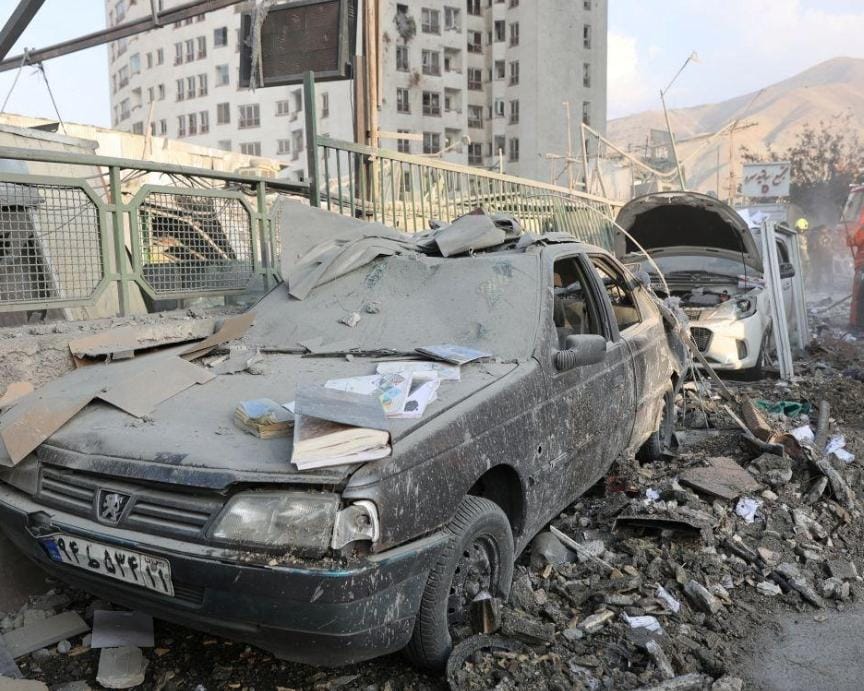
On the ground the humanitarian situation continues to deteriorate with increasing civilian deaths and widespread damage to residential areas.
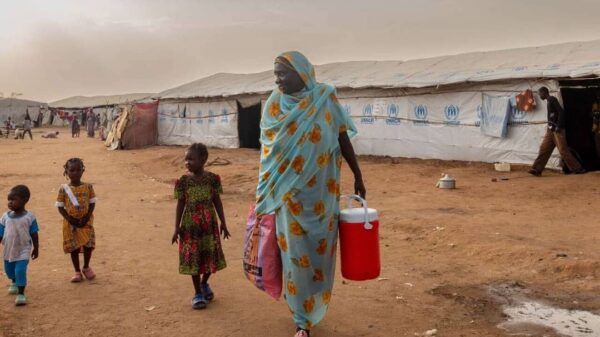
Aid agencies warn of rising displacement and severe disruption to essential services including water electricity and healthcare.
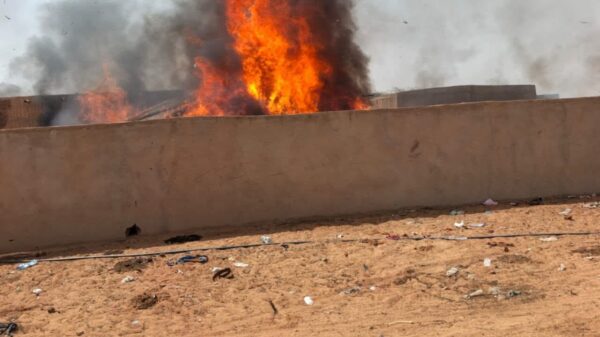
The conflict is also spilling into neighboring countries with key infrastructure targeted by drone and missile attacks.
Meanwhile restrictions in the Strait of Hormuz have sharply reduced maritime traffic triggering a global energy shock.
Oil prices have risen significantly prompting some countries to introduce fuel rationing while economists warn of broader economic risks.
At the international level pressure is mounting at the United Nations with efforts to address the impact on civilian infrastructure.
Analysts say the extension offers a narrow window for de escalation but may also reflect a tactical pause.
With the new deadline approaching the situation remains highly uncertain.