








The confrontation between the United States Israel and Iran has entered a more critical phase as military operations increasingly focus on strategic energy infrastructure particularly Iran’s Kharg Island which serves as the country’s main crude oil export hub.
Located in the Persian Gulf the island handles roughly ninety percent of Iran’s crude oil exports making it a key target in efforts to weaken Tehran’s economic capacity to sustain the war.
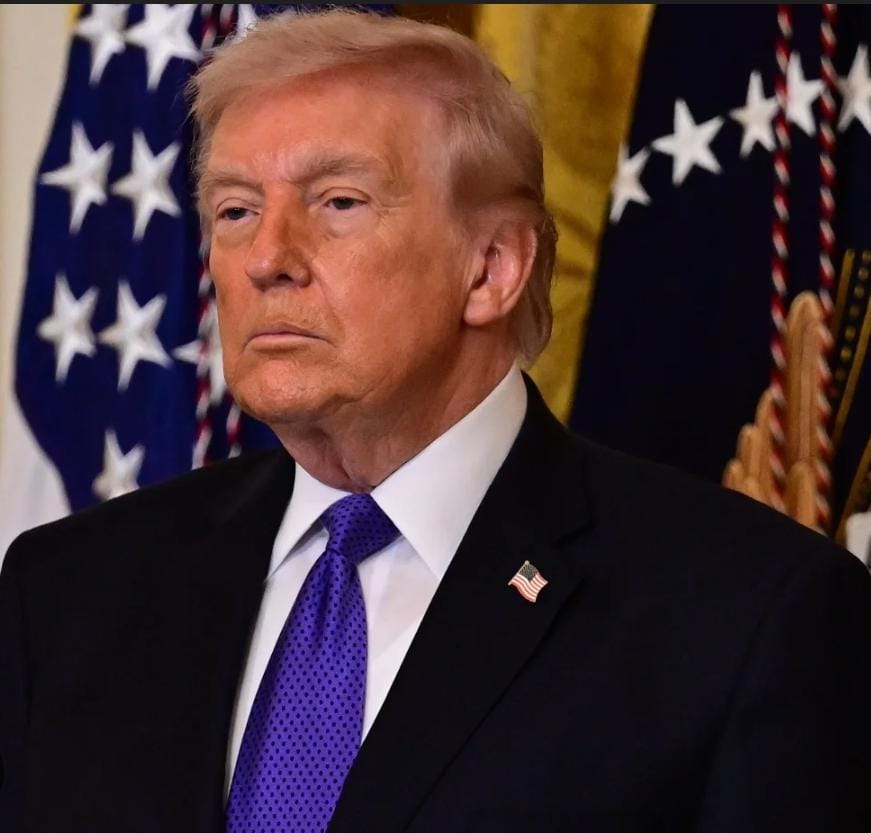
United States President Donald Trump confirmed that American forces carried out large scale precision strikes against targets on the island in recent days.
Officials said the operation initially focused on military installations including missile launch infrastructure and naval mine storage sites believed to threaten shipping routes in the Gulf.
Officials from United States Central Command said more than ninety targets were destroyed during the strikes. The objective was to prevent Iranian forces from deploying sea mines that could disrupt maritime traffic through the Strait of Hormuz one of the world’s most important oil transit routes.
Later remarks by the United States president suggesting that additional strikes on the energy hub remained possible further heightened tensions across the region.
Iran strongly condemned the attacks and warned of retaliation if its energy infrastructure continues to be targeted.
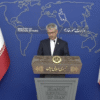
Iranian Foreign Minister Abbas Araghchi accused Washington of conducting operations from military facilities in the United Arab Emirates an allegation that the Emirati government has neither confirmed nor denied.
Araghchi warned that Iran could target American economic interests and corporations throughout the Middle East if oil infrastructure continues to come under attack.
The United Arab Emirates has meanwhile urged restraint from all sides amid growing fears that the conflict could expand into a broader regional war.
The fighting which has lasted several weeks has resulted in rising casualties and widespread destruction across several areas.
Human rights organizations estimate that about four thousand nine hundred people have been killed since the war began while official Iranian figures report one thousand four hundred forty four deaths and more than eighteen thousand five hundred injuries.
Civilian casualties have also risen with international monitors reporting at least four hundred eighty civilian deaths.
One of the deadliest incidents reportedly occurred in the southern Iranian city of Minab where a strike on a school killed more than one hundred sixty schoolgirls according to local authorities and humanitarian organizations.
Damage to infrastructure has been extensive. The Iranian Red Crescent says nearly forty three thousand civilian structures have been affected including more than thirty six thousand homes and fifty six historic cultural sites.
Diplomatic efforts have intensified as the international community attempts to prevent the conflict from further destabilizing global energy markets.
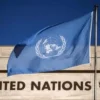
The United Nations Security Council adopted a resolution condemning attacks against several neighboring states in the region with broad support among council members while two countries abstained.
Regarding Iran’s nuclear infrastructure the head of the International Atomic Energy Agency said damage so far appears limited. Structural damage has been reported at entrance buildings of the Natanz enrichment facility but no increase in radiation levels has been detected.
Despite these diplomatic initiatives mediation attempts have so far failed to produce a ceasefire.
Officials say both Washington and Tehran rejected proposals from regional mediators including Oman and Egypt.
The United States president said Washington is not ready to reach an agreement under current conditions suggesting that military operations are likely to continue.
The conflict has already disrupted global energy supply chains.
Security concerns and shipping disruptions around the Strait of Hormuz through which roughly twenty percent of global oil supplies pass have unsettled international energy markets.
At the same time Iranian officials say Mojtaba Khamenei has assumed a central role in managing the national wartime strategy as the conflict enters its third week.
Analysts warn that the coming days may determine whether the confrontation stabilizes or expands into a wider regional conflict.