






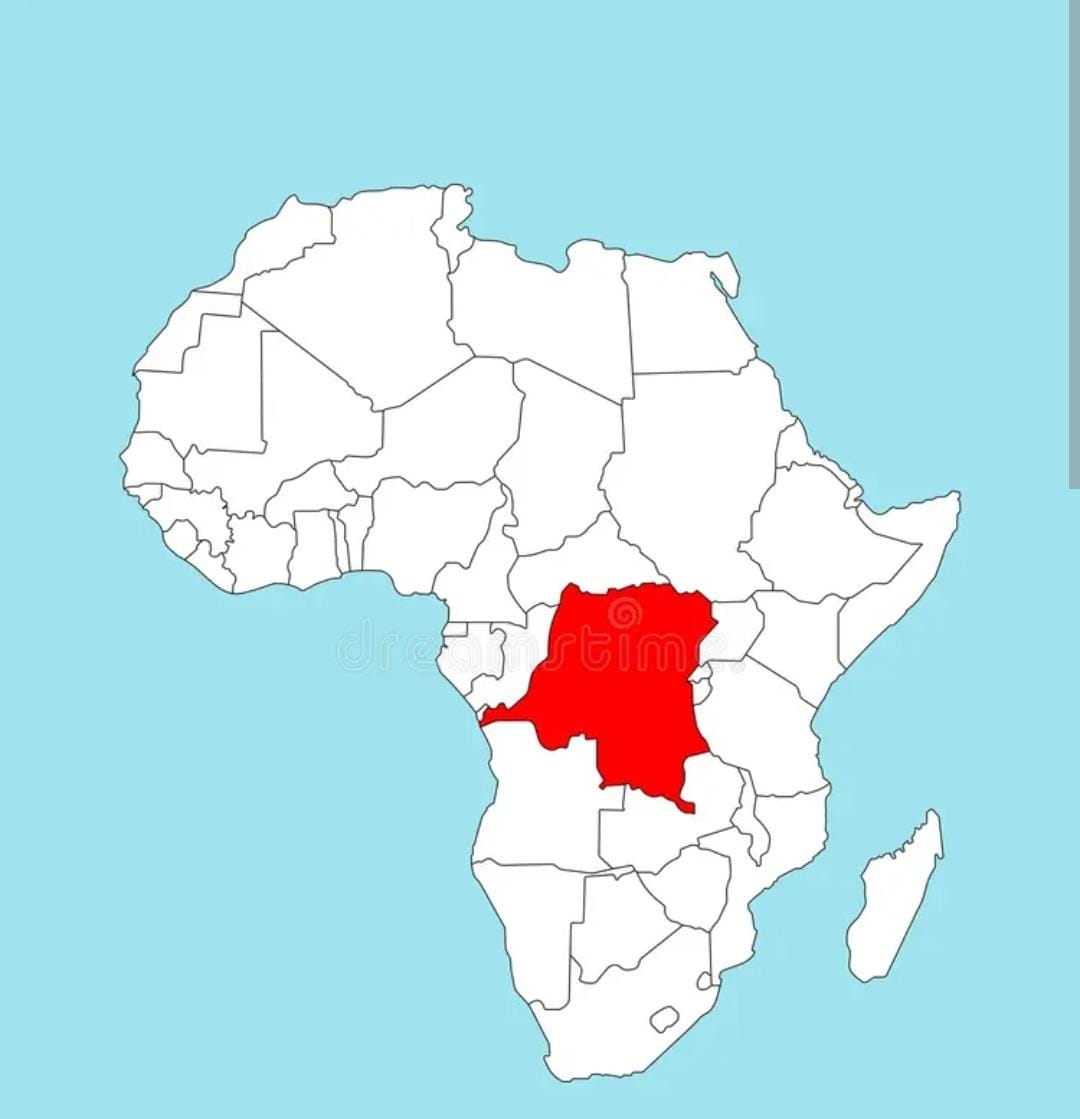
The Republic of Congo is preparing for a presidential election at a time of growing economic dissatisfaction as many citizens question why the country’s oil wealth has not translated into broader economic opportunity and employment.
President Denis Sassou Nguesso, eighty two, is seeking another term that would effectively become his fifth consecutive mandate extending a political career that has dominated Congolese politics for more than four decades.
Sassou Nguesso first came to power in nineteen seventy nine and has remained a central figure in the country’s political life through multiple transitions including a constitutional referendum in two thousand fifteen that removed presidential age and term limits.
Political analysts widely view his re election as likely given the fragmented nature of the opposition and longstanding concerns about the balance of power within the country’s electoral system.
Seven candidates have been officially approved to run in the presidential race including several opposition figures.
However several major opposition parties have chosen to boycott the vote arguing that the political environment does not provide a level playing field and accusing the government of controlling key institutions and restricting opposition access to state media.
Despite its status as one of sub Saharan Africa’s leading oil producers the Republic of Congo continues to face significant economic inequality.
Oil dominates the national economy accounting for roughly seventy percent of exports and about forty percent of gross domestic product yet the benefits of this resource wealth have been unevenly distributed across the population.
Recent estimates suggest that between forty seven and fifty two percent of citizens live below the poverty line while youth unemployment remains one of the country’s most pressing economic challenges.
In major urban centers such as Brazzaville and Pointe Noire growing numbers of educated young people are struggling to find stable employment.
Government statistics indicate youth unemployment stands at around thirty nine percent though independent analysts believe the actual figure may be considerably higher.
The country’s demographic profile intensifies these pressures as approximately sixty percent of the population is under the age of twenty five creating increasing demand for job creation and economic diversification.
Many graduates are turning to the informal economy to survive working as taxi drivers street vendors or small traders in open markets.
For many young Congolese the contrast between national oil revenues and daily economic hardship has become a source of growing frustration.
Romain Tchicaya a management graduate said citizens often hear about the country’s oil wealth but rarely see its impact in everyday life.
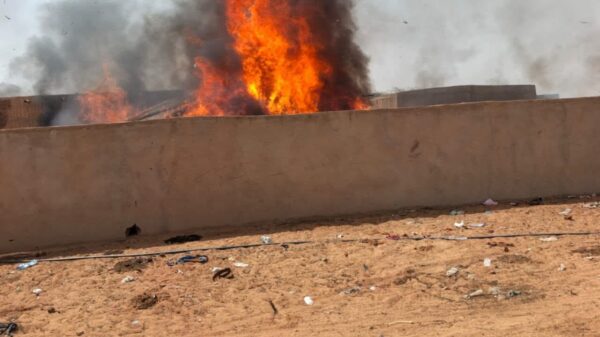
Authorities are also preparing for potential unrest surrounding the election with foreign diplomatic missions advising their citizens to limit movement during the voting period.
Previous elections under Sassou Nguesso’s administration have been accompanied by a strong security presence and in some cases temporary restrictions on internet access.
Observers expect additional military and police deployment across major cities as the country approaches voting day.
Although the election is widely expected to return the incumbent to power analysts say the broader challenge facing the Republic of Congo will be how its leadership addresses the growing economic and demographic pressures facing the country’s young population.
Experts say meaningful reforms and economic diversification will be essential if the country hopes to narrow the gap between its oil wealth and the everyday realities faced by millions of its citizens.