














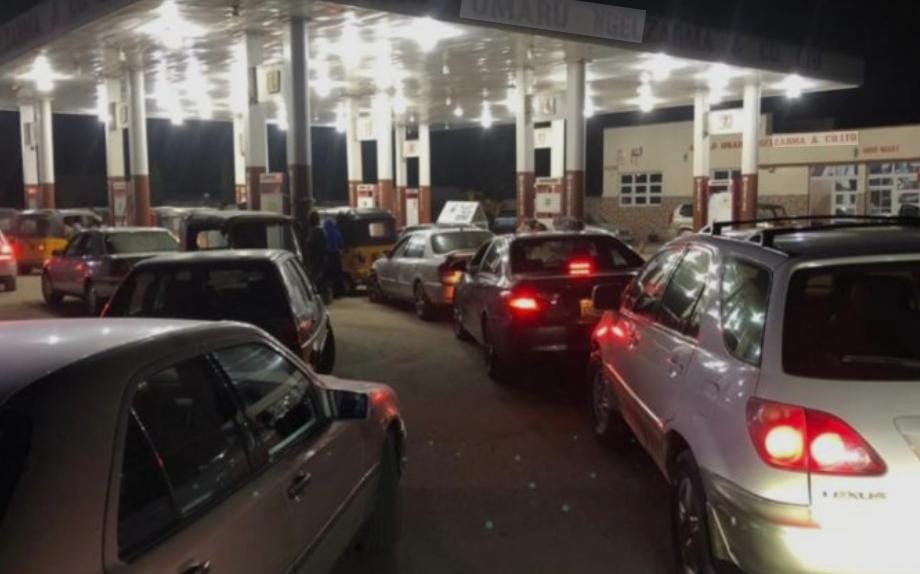
Nigeria is facing record high petrol prices driven by escalating tensions in the Middle East and volatility in global oil markets placing growing pressure on households and businesses.
The country’s largest refinery has raised its depot prices for the fourth time this month reflecting a rapid increase in production costs within weeks.
At the retail level fuel prices have surged with noticeable regional differences as northern cities record higher rates than coastal areas.
Analysts link the surge to disruptions in global oil supply routes particularly key maritime transit corridors pushing crude prices to elevated levels.
Nigeria’s reliance on international pricing means domestic fuel costs quickly reflect global market shocks even with local refining capacity.
Deregulation of the downstream sector has further accelerated this effect allowing prices to adjust almost immediately to global changes.
The increases are already impacting daily life with transportation costs rising sharply and businesses facing higher operating expenses due to reliance on fuel powered generators.
Economists warn that sustained energy inflation could weaken purchasing power disrupt supply chains and slow economic growth.
The government has ruled out returning to broad fuel subsidies opting instead for targeted support measures to protect vulnerable groups.
This approach has drawn criticism from labor unions and civil society groups calling for immediate relief.
Experts caution that prices could continue rising if global tensions persist leaving consumers exposed to ongoing volatility.