

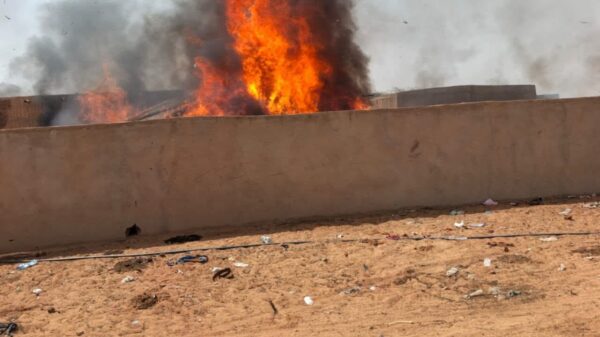






Thousands of demonstrators gathered in Niger’s capital highlighting a sharp escalation in tensions between Sahel military led governments and the European Union following calls to release the former president.
The protests showed strong public support for transitional authorities with participants rejecting what they described as foreign interference and emphasizing national sovereignty.
The dispute was triggered by a European resolution calling for the immediate release of the former leader and raising concerns over detention conditions and access to legal and medical support.
Niger’s authorities rejected the move arguing it undermines judicial independence and interferes in domestic political processes.
Protesters insisted that the issue remains an internal matter while accusing external actors of attempting to influence the country’s political trajectory.
The demonstrations also reflected growing coordination among Sahel alliance countries with aligned messaging from civil groups across the bloc.
The development comes amid broader geopolitical shifts as Sahel states strengthen cooperation following recent political changes and distance themselves from traditional Western influence.
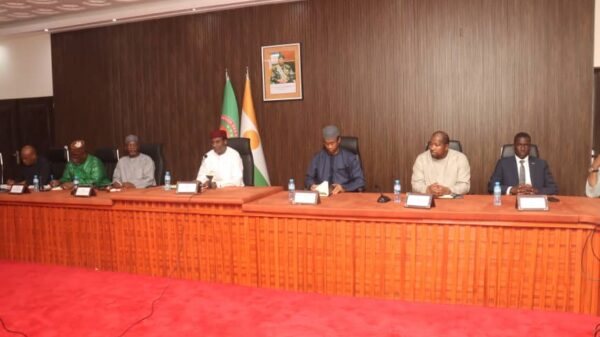
Diplomatically Niger summoned the EU representative to formally protest the resolution warning that external pressure could destabilize the transition framework.
Meanwhile legal proceedings against the former president continue with no indication that authorities will comply with international demands.
Analysts warn that the standoff could further widen the gap between Sahel states and Western partners while accelerating a shift toward alternative alliances.
With more demonstrations expected the situation remains fluid and may shape the future of regional diplomacy in West Africa.