









The Middle East conflict has entered its second month with expanding regional involvement rising humanitarian costs and mounting diplomatic pressure to contain the crisis.
The war began on February 28 2026 with coordinated airstrikes targeting strategic and leadership sites in Iran marking a decisive turning point.
In the past 24 hours the conflict has widened across multiple fronts. Yemen’s Houthi movement has entered the war launching ballistic missiles and drones toward southern Israeli cities signaling broader regional engagement.
Along Israel’s northern border hostilities have intensified with Israeli forces advancing in southern Lebanon amid growing casualties and a worsening humanitarian situation.
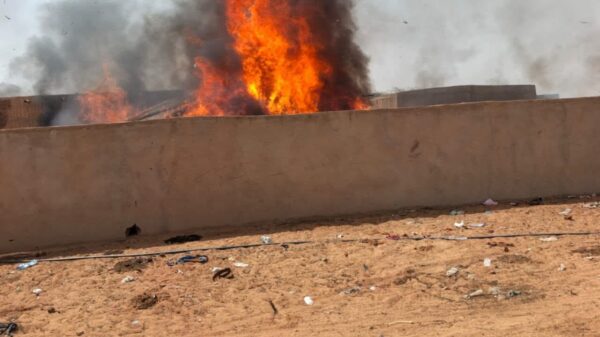
Inside Iran new explosions have been reported in Tehran and other areas targeting critical infrastructure and strategic sites deep within the country.
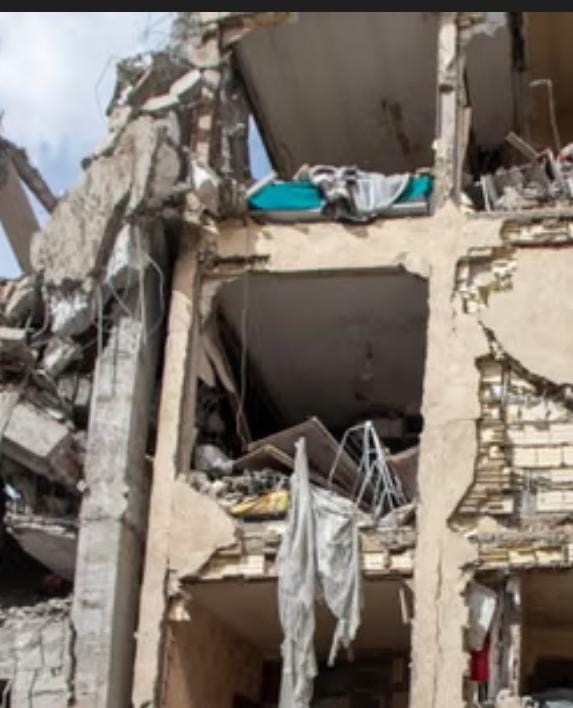
The humanitarian toll continues to rise sharply with thousands killed millions displaced and widespread infrastructure damage. In Lebanon hundreds of thousands have fled southern areas adding to regional displacement pressures.
Economic repercussions are also significant with restricted maritime traffic in the Strait of Hormuz driving sharp increases in global oil and gas prices raising concerns over energy security.
Diplomatic efforts are ongoing with a multi point peace proposal aimed at de escalation although positions remain divided.
Regional mediation initiatives are also underway seeking to prevent further escalation amid fragile signs of limited de tension.
Key flashpoints remain particularly around strategic maritime routes increasing risks to global trade flows.
Analysts warn the conflict could escalate into a broader regional war while opportunities for de escalation remain narrow.