













A dramatic escalation of maritime attacks in the Persian Gulf has severely disrupted global energy shipping after multiple vessels were struck by explosive unmanned surface vessels and projectiles over the past forty eight hours.
Maritime security officials and port authorities say the coordinated incidents have effectively paralyzed shipping activity near Iraq’s main oil export terminals and sharply increased risks across Gulf shipping lanes.
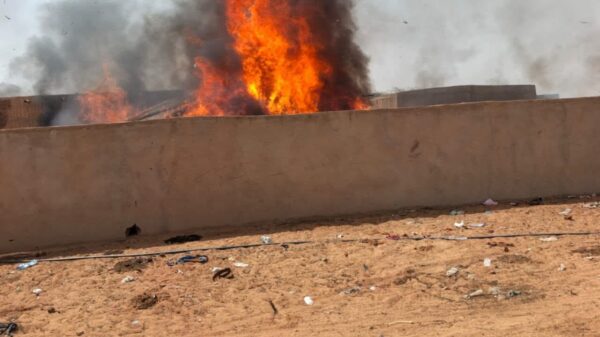
According to Iraqi port authorities two fuel tankers Safesea Vishnu flagged to the Marshall Islands and Zefyros registered in Malta were struck by explosive unmanned surface vessels while operating in Iraqi territorial waters near Basra.
One crew member was killed while emergency teams from Iraqi port services rescued thirty eight sailors from the vessels.
Both ships remain on fire as firefighting operations continue in the area.
The director general of the General Company for Ports of Iraq confirmed that all Iraqi oil terminal operations have been suspended indefinitely following the attacks.
Iraq’s state oil marketing organization warned that the strikes represent a direct threat to the country’s economic security as Iraq relies heavily on maritime oil exports from its southern terminals.
The crisis has been compounded by a growing naval standoff in the Strait of Hormuz one of the world’s most critical oil transit routes.
Intelligence reports indicate that Iranian forces have deployed a limited number of naval mines in the strait. Although the estimated number is believed to be fewer than ten the discovery has triggered alarm among shipping companies and maritime insurers.
United States forces said earlier they destroyed sixteen Iranian vessels suspected of preparing to lay additional mines in an effort to prevent a wider disruption of maritime traffic.
Despite mounting pressure from shipping companies the United States Navy has declined requests for routine naval escorts through the strait citing the risk of large scale missile and drone attacks against escort convoys.
Maritime security reports confirm that four additional vessels were struck during the same period highlighting the widening scope of attacks across Gulf shipping lanes.
Among the incidents the Thai bulk carrier Mayuree Naree was hit by projectiles in the Strait of Hormuz leaving three crew members missing and believed trapped in the engine room.
The vessel ONE Majesty operated by a Japanese company sustained minor hull damage northwest of Ras Al Khaimah in the United Arab Emirates.
The Marshall Islands flagged ship Star Gwyneth was struck in a cargo hold while anchored northwest of Dubai though no injuries were reported.
Another container vessel was hit near the port of Jebel Ali causing a small onboard fire that was later contained.
The attacks have sent shockwaves through global energy markets.
Oil prices surged above one hundred dollars per barrel as traders reacted to the sudden disruption of Gulf shipping threatening exports from several of the world’s largest oil producers.
As a precaution authorities in Oman ordered vessels to evacuate the Mina Al Fahal oil terminal located outside the Strait of Hormuz citing the expanding risk zone.
Meanwhile the International Energy Agency approved the release of four hundred million barrels from strategic reserves the largest coordinated emergency intervention in the agency’s history.
Energy analysts warn that continued attacks or a prolonged closure of the Strait of Hormuz could trigger the most significant disruption to global oil supply since the early nineteen nineties Gulf War.
With Iraqi exports halted shipping insurance costs soaring and commercial vessels avoiding the Strait of Hormuz maritime traffic in the Persian Gulf has dropped sharply.
Security experts say the current situation represents the most severe disruption to Gulf shipping in decades raising fears that the conflict could escalate into a broader regional naval confrontation.