












Iraq has become a key frontline in the expanding regional conflict as airstrikes drone attacks and rising political tensions expose the country’s fragile security environment.
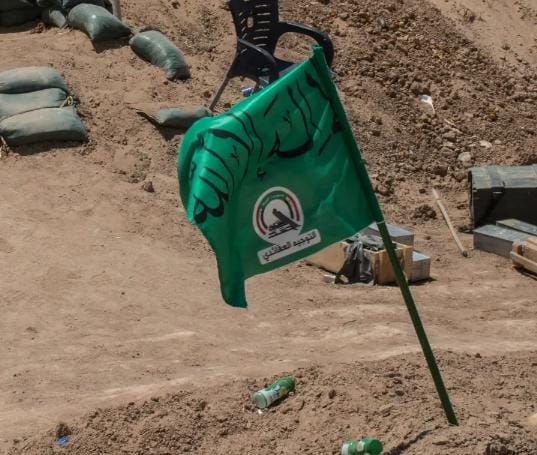
State aligned paramilitary forces reported that two of their fighters were killed in separate strikes targeting positions in northern and central Iraq including near Mosul and in Salah al Din province.
The groups accused external actors of carrying out the attacks and said evacuation efforts were hindered after emergency teams came under fire while attempting to reach casualties.
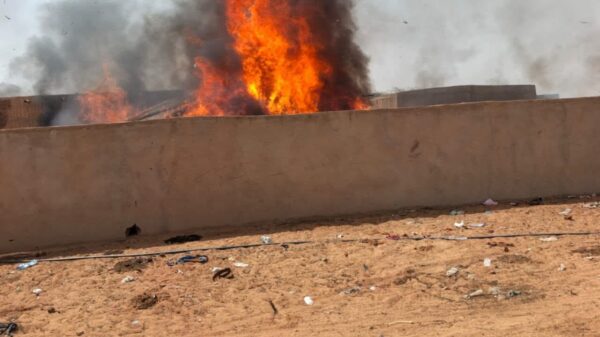
In southern Iraq a drone strike hit a water treatment facility inside a strategic naval base near the Kuwaiti border triggering a fire without reported casualties.
Authorities also confirmed intercepting a drone near Baghdad International Airport preventing damage to critical infrastructure.
Politically a militia announced a temporary suspension of operations against diplomatic targets linking the move to conditions tied to developments in other conflict zones while warning of rapid escalation if those conditions are breached.
The Iraqi government condemned the strikes as a violation of sovereignty and reiterated its rejection of using national territory as a platform for regional conflict amid growing domestic pressure to expel foreign forces.
The escalation is closely tied to broader regional developments particularly the intensifying energy conflict involving strikes on key infrastructure across the Gulf.
Analysts warn that Iraq risks deeper entanglement as competing regional and international actors increase their involvement.
With diplomacy under strain and military actions accelerating across multiple fronts the situation remains volatile raising concerns of further escalation.