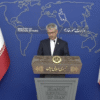







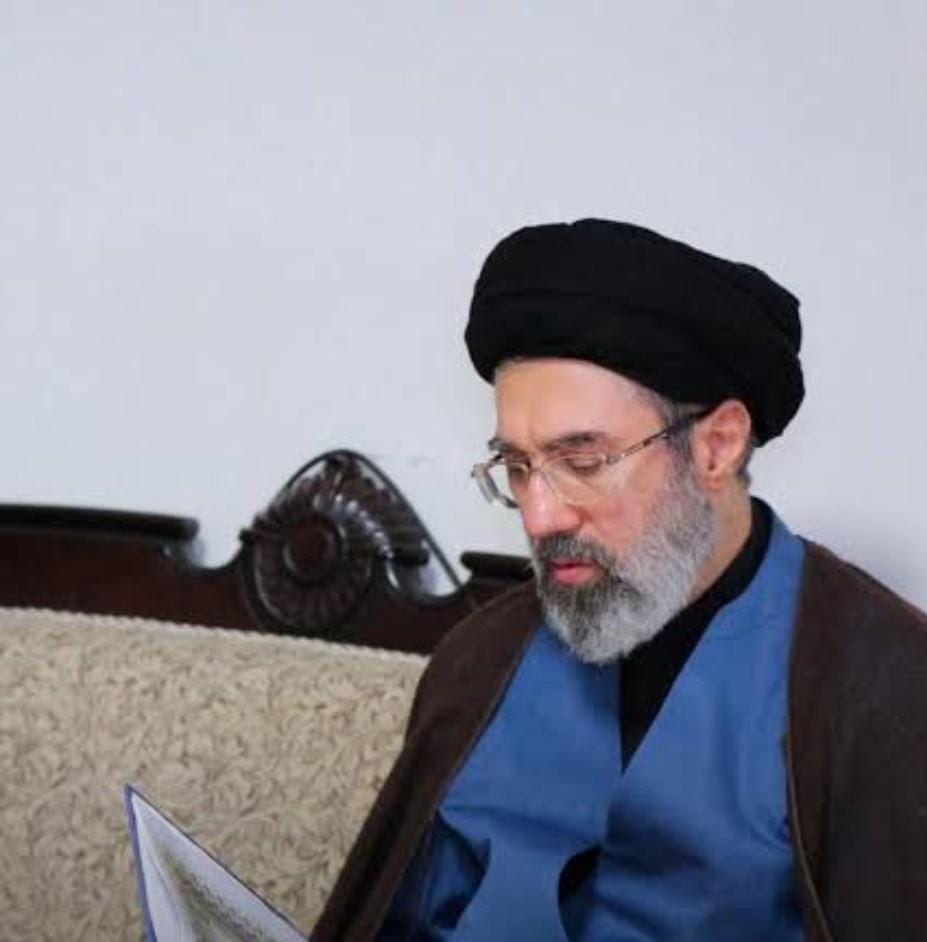
Iranian state media confirmed that Mojtaba Khamenei has been appointed as the third Supreme Leader of the Islamic Republic following an extraordinary session of the Assembly of Experts in Tehran.
The clerical body responsible for selecting the country’s highest authority reportedly chose the 56-year-old cleric in what officials described as a decisive and unanimous vote by its 88 members. The announcement was issued shortly after midnight through an official statement from the Assembly.
The appointment follows the death of his father, Ayatollah Ali Khamenei, and comes as Iran faces a rapidly escalating regional conflict and intense military pressure.
In its official declaration, the Assembly referred to Mojtaba Khamenei with the title of Ayatollah, signaling an elevation from his previously recognized clerical rank.
Officials said the designation was intended to confirm his religious qualifications to assume the country’s highest political and spiritual authority.
The Assembly stated that the selection took place under emergency wartime conditions, invoking constitutional provisions designed to guarantee continuity of leadership during periods of national crisis.
The statement called on citizens, members of the armed forces, and religious institutions to pledge allegiance to the new Supreme Leader.
Senior political figures quickly expressed support for the appointment.
Leading members of the political establishment described the decision as a national and religious responsibility at a moment of conflict.
Military leadership associated with the Revolutionary Guard also pledged allegiance, stating that the armed forces remain committed to defending the country and continuing military operations.
International reactions were swift and sharply divided.
Officials in Washington criticized the appointment, while Israeli authorities repeated warnings that individuals involved in Iran’s leadership structure could become targets amid the ongoing confrontation.
At the same time, groups and political movements aligned with Tehran issued messages congratulating the new leader and reaffirming their support.
The transition occurs under difficult conditions inside the Iranian capital.
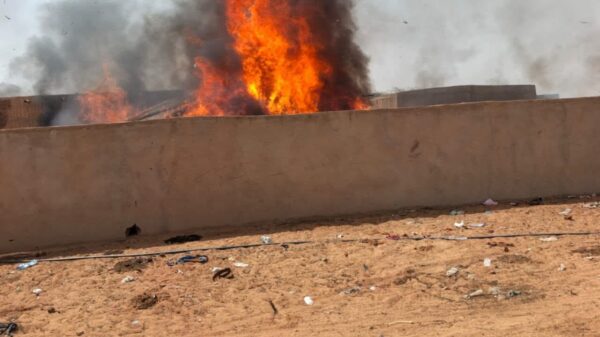
Local reports described heavy smoke and environmental disruption following fires at several energy installations in the metropolitan area after recent strikes.
Despite these circumstances, state television broadcast images showing supporters gathering in several districts to celebrate the announcement.
Military officials also stated that the country retains significant missile reserves and remains capable of sustaining prolonged military operations if necessary.
The appointment represents a historic moment in Iran’s political system.
It marks the first time since the establishment of the Islamic Republic that the position of Supreme Leader has passed directly from father to son.
Analysts say the move appears intended to demonstrate political continuity and internal cohesion at a time of intense external pressure.
With the regional conflict continuing to escalate, observers say the policies and strategic decisions of the new Supreme Leader could shape Iran’s political and military direction in the months ahead.