













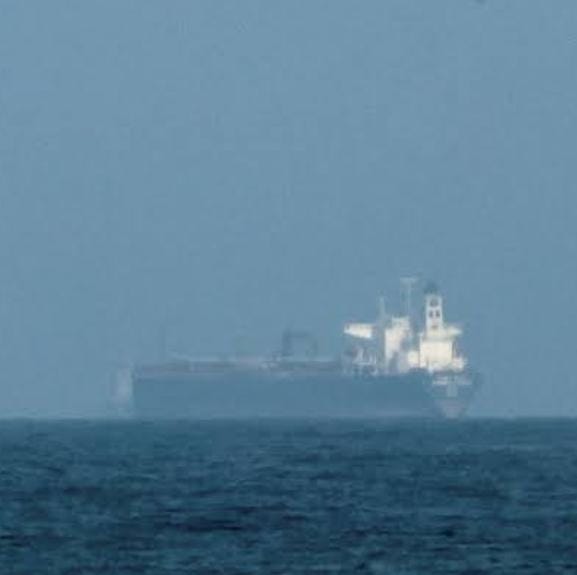
Global energy markets are experiencing a major shock as disruptions in the Strait of Hormuz severely restrict the flow of oil and liquefied natural gas, intensifying concerns about supply shortages and rising prices worldwide.
The strategic waterway, which normally carries a large share of the world’s seaborne oil shipments, has seen tanker traffic sharply reduced amid the expanding military confrontation in the region. With maritime transit increasingly unsafe, several major energy producers have begun suspending operations or declaring emergency measures.
One of the most significant disruptions occurred after a drone strike targeted a major liquefied natural gas hub on the Gulf coast. The incident forced a temporary halt to production at the facility, one of the largest LNG export centers in the world.
Officials said the shutdown has interrupted a substantial portion of global natural gas supply, warning that even if hostilities were to stop immediately, restoring normal operations could take weeks or months due to logistical complications and infrastructure damage.
In a neighboring Gulf country, operations at one of the region’s largest refineries were temporarily suspended following drone threats and security concerns.
The refinery plays a central role in the country’s domestic fuel system, and although authorities reported limited physical damage and no casualties, the interruption could significantly affect refining capacity in the short term.
Elsewhere in the Gulf, oil operators have begun reducing production levels not because of direct attacks but due to logistical bottlenecks.
Storage facilities are rapidly filling as tankers struggle to navigate the Strait of Hormuz, forcing producers to slow or halt output while waiting for export routes to reopen.
Energy markets have reacted sharply to the growing uncertainty.
Crude oil prices have surged in recent days, climbing rapidly as traders factor in the risk of prolonged supply disruptions.
Analysts estimate that a substantial share of global oil supply moving through maritime routes has been affected by the slowdown in tanker traffic.
At the same time, international institutions warn that global energy reserves may be tested if the disruption continues.
Emergency oil stockpiles held by major economies could provide temporary relief, but analysts note that replacing disrupted natural gas exports would be far more difficult due to limited alternative supply routes.
Economic researchers caution that sustained energy price increases could weigh on global growth.
Higher oil prices tend to increase production costs, drive inflation, and reduce consumer purchasing power, effects that could be particularly severe for emerging economies dependent on imported energy.
Energy specialists say policymakers may soon face difficult decisions about how to stabilize markets.
One option under consideration by some governments is the potential release of strategic oil reserves to offset short-term shortages.
Such measures could temporarily ease market pressure while diplomatic efforts attempt to prevent further escalation of the regional conflict.
For now, the global energy system remains on edge, with traders, governments, and industries closely monitoring developments in the Persian Gulf and the status of shipping through one of the world’s most critical energy corridors.