











The escalating confrontation involving the United States, Israel and Iran is sending shockwaves through global energy markets as governments and international institutions warn that continued disruptions could push oil prices sharply higher and destabilize energy supply chains.
The conflict has intensified across several fronts, raising fears that instability in the Gulf could threaten one of the most critical energy corridors in the world and disrupt the flow of oil and natural gas to global markets.
In an effort to ease mounting pressure on the energy market, the United States Treasury announced a temporary waiver allowing Indian refiners to continue purchasing Russian crude that had already been shipped before the latest restrictions took effect.
Officials said the measure, issued through the Office of Foreign Assets Control, will remain in place for thirty days and is intended to prevent additional supply disruptions while global markets remain under stress.
The Treasury secretary said the waiver was designed as a short-term step to stabilize markets as tensions surrounding the conflict intensify.
Energy analysts say the decision reflects growing concern in Washington that a further reduction in available supply could trigger a dramatic surge in global oil prices.
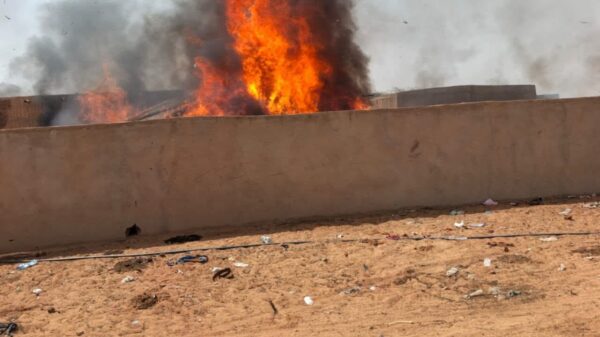
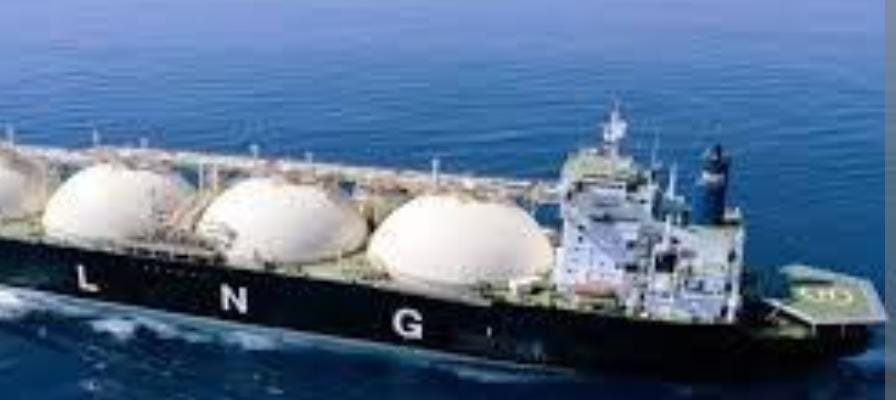
The outlook for energy supply worsened further after QatarEnergy declared force majeure at the Ras Laffan liquefied natural gas complex following regional security threats and attacks in nearby areas.
Qatar’s energy minister said production at the facility had been temporarily halted because of security concerns, warning that a prolonged conflict could drive oil prices dramatically higher and force Gulf exporters to suspend shipments.
The Ras Laffan complex is one of the world’s largest liquefied natural gas export hubs and a major supplier of energy to both European and Asian markets.
Shipping activity through the Strait of Hormuz has also been severely disrupted as military tensions intensify across the Gulf.
The narrow waterway normally carries roughly one fifth of global oil supplies, making it one of the most strategically important energy routes in the world.
A major global shipping company said it had introduced emergency surcharges on freight shipments due to rising insurance costs and heightened security risks for vessels operating in the region.
Iranian officials maintain that the passage has not been formally closed, though senior diplomats have said the country currently maintains wartime control over the strait.
Energy experts warn that even partial disruption to traffic through the corridor could quickly produce shortages in global oil supply.
International leaders are increasingly voicing concern over the potential economic fallout.
The head of the International Energy Agency warned European governments against returning to heavy reliance on Russian gas as a response to the emerging crisis, cautioning that such a move could repeat vulnerabilities experienced during earlier energy disruptions.
Meanwhile, Russian officials indicated that global demand for Russian energy exports has increased amid market instability, describing the country as a dependable supplier despite ongoing geopolitical tensions.
Diplomatic pressure is also mounting.
The United Nations Security Council is scheduled to convene an emergency meeting to address the growing intersection between energy security concerns and the worsening humanitarian situation across the Middle East.
Diplomatic sources say discussions are expected to focus on civilian displacement, infrastructure damage and the broader economic consequences of the conflict.
On the military front, operations continue to intensify.
Officials in Washington and Israel say thousands of strikes have been carried out against Iranian military infrastructure since the campaign began.
Military officials claim that a large portion of Iran’s air defense network has been degraded during the offensive.
Regional sources estimate that more than one thousand people have been killed in Iran since the beginning of the air campaign, though the figures remain difficult to independently verify.
The conflict is also worsening humanitarian conditions across several areas of the region.
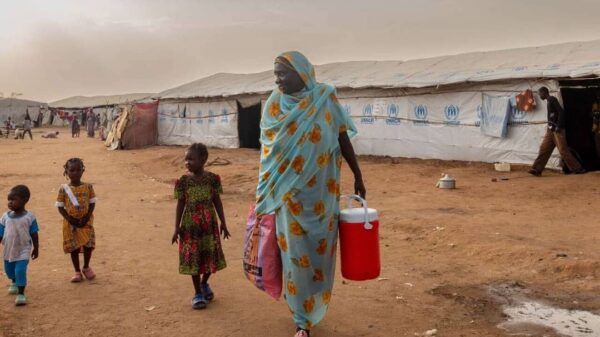
In Lebanon, thousands of civilians have fled southern districts after Israeli strikes targeted infrastructure linked to Hezbollah in and around the capital.
Many displaced families are reportedly crossing into neighboring Syria, raising concerns that the fighting could trigger a wider refugee crisis.
Energy analysts say the coming days may prove decisive.
If attacks on energy infrastructure intensify or maritime traffic through the Strait of Hormuz becomes fully blocked, the world could face one of the most severe energy disruptions in decades.
Markets are now closely monitoring developments in the Gulf, diplomatic efforts underway at the United Nations and the evolving confrontation between Iran, Israel and the United States.